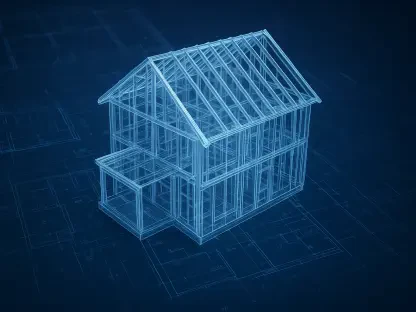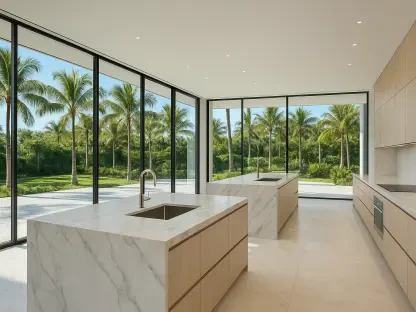

By integrating renewable energy sources directly into building physics, the GreeNest project aims to establish a scalable blueprint for zero-emission living. This initiative arrives at a pivotal moment for the Italian peninsula, where the intersection of environmental necessity and social welfare has become a central policy driver. As of today, energy poverty remains a significant hurdle, impacting over two million families who struggle with rising utility costs and inefficient housing stock. Traditionally, Italian energy policy focused primarily on the demands of winter heating, yet shifting climatic patterns now necessitate a robust pivot toward cooling solutions. The European Climate, Infrastructure, and Environment Executive Agency is orchestrating a multi-pronged strategy to modernize these structures, recognizing that building efficiency is no longer a technical luxury but a socio-economic imperative. By addressing the thermal resilience of the urban fabric, these programs aim to bolster national resource security and public health across all regions.
Circular Construction and Material Innovation
The GreeNest project serves as a cornerstone of the EU’s vision for circular construction by reimagining how building materials are sourced and utilized. With significant funding from the Horizon Europe Energy program, this initiative promotes a transition from carbon-intensive materials to bio-based and recycled alternatives. By focusing on the embodied emissions of construction—the carbon generated during manufacturing and transport—GreeNest seeks to create a new standard for eco-friendly architectural design that minimizes environmental impact long before a building is occupied. This shift is essential for meeting rigorous climate targets, as it addresses the massive carbon footprint inherent in traditional concrete and steel production. By developing circular material packages, researchers are creating a library of insulation and structural components that can be easily repurposed or recycled. This methodology ensures that the construction sector evolves from a linear model into a regenerative system that values resource longevity and waste reduction over time.
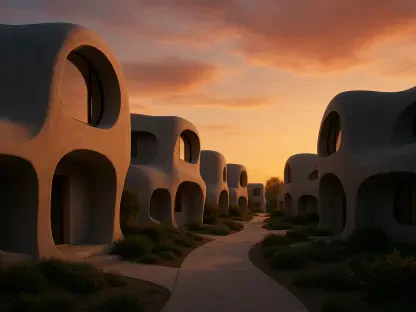
A prominent demonstration of this material innovation is currently taking place at the Delta Info Centre in Porto Viro, located within a sensitive UNESCO World Heritage landscape. In this unique setting, the project proves that cutting-edge sustainability can coexist with rigorous heritage preservation standards. Engineers are testing advanced insulation layers derived from unconventional sources, including processed coffee grounds, waste wood, and lightweight clay aggregates. These materials are integrated into prefabricated and adaptable designs that allow for rapid assembly and modular flexibility across various housing types. Furthermore, the inclusion of smart monitoring systems transforms these static buildings into active ecosystems capable of tracking energy consumption and production in real time. The success of the Porto Viro site provides a replicable model for diverse European climates, demonstrating that circular construction is not only technically viable but also aesthetically compatible with culturally significant environments. This approach offers a clear path for local developers to adopt sustainable practices without sacrificing architectural integrity.
Urban Planning and Heat Mitigation Strategies
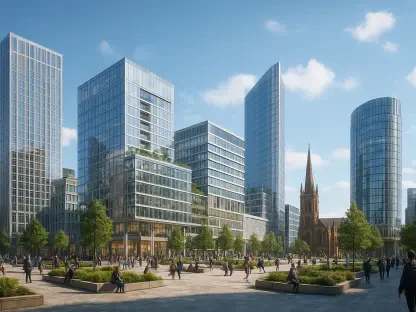
Addressing the broader urban environment, the Plan4COLD initiative provides essential support to Italian municipalities for drafting sustainable thermal management plans. This project shifts the focus from individual building physics to the wider urban fabric, recognizing that extreme city heat is often a result of historical infrastructure design failures. By utilizing nature-based solutions, the program helps local governments mitigate the heat island effect that frequently plagues Southern European cities during the summer months. The initiative operates on the premise that urban heat can be corrected through strategic planning rather than just reactive measures. By focusing on cities such as Udine and Pordenone, the program helps local authorities understand how specific pavement materials and a lack of green cover contribute to rising temperatures. These data-driven insights allow municipalities to prioritize interventions that enhance the thermal comfort of their citizens while simultaneously reducing the energy demand required for active cooling systems throughout the year.
In practice, these urban interventions rely on sophisticated microclimate simulations to reimagine critical public spaces, such as the Nodo Zama bus terminal in Ragusa. Recent data from these simulations indicated that unsealing heavy asphalt paving and introducing strategic greenery could lower the perceived temperature by more than eight degrees Celsius. Beyond immediate cooling benefits, these changes allow for a massive increase in rainwater absorption, with up to eighty-three percent of precipitation being captured by the ground rather than overwhelming drainage systems. This dual-purpose approach effectively mitigates the risks of urban flooding while providing relief during extreme heat events that characterize the Mediterranean climate. For cities like Modica and Vittoria, these infrastructure changes represent a shift toward habitable urban design that remains functional under environmental pressure. By integrating nature-based solutions into municipal planning, local authorities move away from emergency management toward a proactive model of urban resilience that significantly improves the daily lives and safety of residents.
Strategic Outcomes and Future Implementation
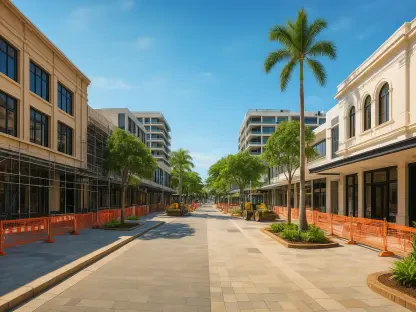
Sustainable building also encompasses the adaptive reuse of existing structures, a process that is often more carbon-efficient than demolition and new construction. The Green Assist program facilitates this by providing expert advisory services and business modeling rather than just direct grants. This approach recognizes that many redevelopment projects fail due to a lack of viable financing strategies or operational plans rather than a lack of technology. By pairing local stakeholders with industry experts, Green Assist helps transform derelict industrial assets into vibrant community hubs. This method is crucial for preserving the embodied carbon already present in historic foundations and walls while protecting the industrial heritage of the Milanese region. Furthermore, it ensures that architectural history continues to serve a productive purpose in a decarbonized economy. Through structural reinforcement and smart retrofitting, these stranded assets are being reimagined as high-performance spaces that meet modern social needs while maintaining the unique character of Italy’s manufacturing past.
The redevelopment of the Linificio Canapificio Nazionale served as a primary example of this advisory-led transformation, turning a massive textile factory into a multi-functional complex. Experts successfully implemented a business model that integrated healthcare facilities for the elderly alongside residential and recreational spaces, ensuring the site addressed local demographic shifts. Moving forward, the focus shifted toward establishing a national digital database to track the performance of bio-based materials and nature-based cooling solutions. This allowed the data gathered from the Ragusa and Porto Viro pilots to be utilized in updating regional building codes across the peninsula. Policy makers prioritized the integration of private financing mechanisms to scale these models without continuous public subsidies. These actions demonstrated that long-term sustainability required a holistic view of infrastructure, where social resilience and environmental performance were treated as inseparable. By creating these templates for adaptive reuse, the program provided a clear roadmap for other municipalities to revitalize their own industrial heritage while meeting zero-emission targets.