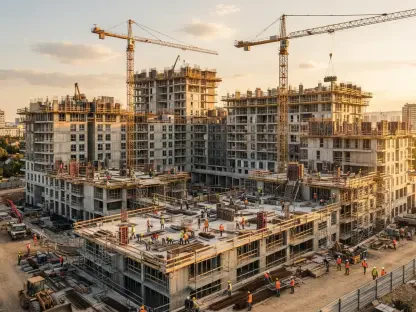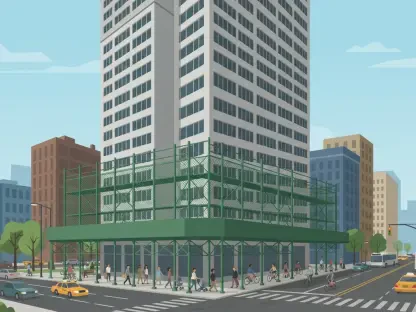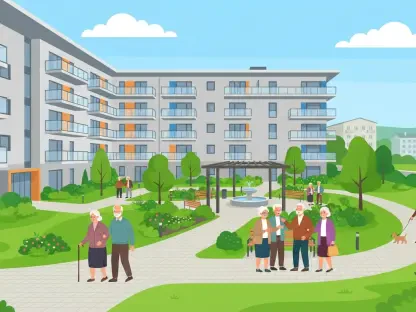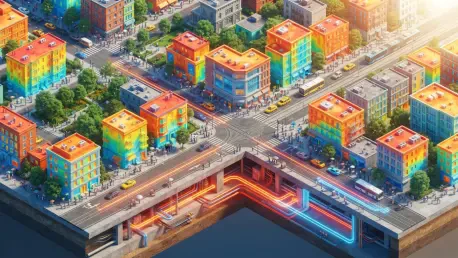

Synthesizing physics, big data, and artificial intelligence allows city planners to transform energy-hungry structures into responsive and equitable ecosystems. As the push for total electrification accelerates across major metropolitan hubs, the sheer complexity of managing thousands of individual energy profiles simultaneously has rendered traditional planning methods obsolete. Urban Building Energy Modeling, commonly known as UBEM, has emerged as the primary vehicle for navigating this shift, offering a digital twin for the city’s pulse. Instead of treating every skyscraper or residential complex as a closed system, this methodology aggregates micro-scale thermodynamic physics with macro-scale urban infrastructure. This provides a clear, high-resolution map of where energy is wasted and where capacity must be expanded before the grid reaches its breaking point. By visualizing this invisible demand, municipalities can finally transition from reactive maintenance to a proactive strategy that anticipates the needs of a growing, power-dependent population in an era of rapid change.
The Data Paradox: Navigating Technological Solutions
The primary obstacle currently hindering the widespread deployment of these advanced simulations is a phenomenon known as the data paradox. To construct a truly accurate model, researchers require granular information regarding residential energy consumption, household occupancy patterns, and the efficiency ratings of specific appliances. However, this level of detail is frequently shielded by stringent privacy regulations and fragmented property ownership, making it nearly impossible to collect standardized datasets across entire city blocks. Without this real-world validation, even the most sophisticated physical models risk becoming detached from reality. This gap between the need for high-resolution data and the reality of information silos has created a significant hurdle for urban developers who seek to optimize local distribution networks. Consequently, the reliance on historical, aggregated data often leads to generalizations that fail to capture the unique energy signatures of different neighborhoods, particularly in rapidly shifting urban centers.
To bridge this information gap, the field is increasingly integrating sophisticated artificial intelligence and machine learning algorithms that can effectively fill the missing data points. These AI-driven tools are capable of synthesizing high-quality synthetic datasets that mimic real-world behavioral patterns, allowing planners to simulate building performance without infringing on the privacy of individual households. By training these models on the limited sets of high-resolution data that are available, researchers can extrapolate trends that apply to similar building types across the city. This approach transforms a lack of direct meter access from a terminal problem into a manageable engineering challenge. Furthermore, the use of generative models allows for scenario testing, where planners can adjust variables like insulation upgrades or solar panel adoption rates to see their cumulative impact on the grid. This integration of machine learning ensures that energy modeling remains a dynamic, evolving process that adapts as more information is accessible.
Climate Volatility: Managing Grid and Mobility Integration
Rising temperatures have made historical weather benchmarks virtually useless for modern infrastructure planning, as the frequency and intensity of extreme heat events continue to escalate. In major urban centers across the United States, the increase in cooling degree-days has shifted the primary energy burden from winter heating to summer cooling, placing immense seasonal stress on local power grids. If urban building energy models rely on outdated meteorological data, they will inevitably underestimate the peak loads required during a heatwave, leaving the population vulnerable to catastrophic brownouts. By incorporating predictive climate models into UBEM, cities can identify which specific structures will experience the most significant thermal gains and adjust the local grid capacity accordingly. This foresight is critical for maintaining public safety, as cooling is no longer a luxury but a fundamental necessity for survival during the prolonged heat domes that have become common in the current decade.
The fundamental nature of the building itself is also undergoing a radical transformation as the world moves toward a building-mobility-grid nexus. Buildings are no longer passive endpoints that merely consume electricity; they are evolving into active grid service providers capable of storing and discharging power. The rapid adoption of electric heating systems and the integration of decentralized renewable sources have turned modern structures into micro-power plants. This shift requires a new generation of multi-load modeling that can simultaneously track electricity, heating, and cooling demands in real-time. By understanding how these different energy streams interact, planners can develop strategies for demand-side management, where buildings automatically shift their heavy usage to off-peak hours when the grid is less stressed. This proactive approach prevents the widespread adoption of electric vehicles and heat pumps from overwhelming existing infrastructure, ensuring a smooth transition away from fossil-fueled energy systems.
Urban Equity: Strategic Mandates for the Next Decade
Beyond technical efficiency, this modeling technology serves as a vital instrument for advancing social justice and public health within the urban fabric. By mapping the intersections of building efficiency, local climate conditions, and socioeconomic data, city leaders can pinpoint the neighborhoods most at risk of thermal stress and energy poverty. These insights allow for the prioritization of urban renewal projects, such as retrofitting older housing stock or expanding green space in urban heat islands, where the most vulnerable populations reside. This transition turns energy modeling into a tool for equitable distribution of resources, ensuring that low-income communities are not left behind during the technological transition to a cleaner grid. By focusing investments on these high-need areas, cities can simultaneously reduce their overall carbon footprint and protect the health of their residents. This strategic alignment of environmental goals with social equity ensures that the benefits of electrification are shared broadly across all groups.
The successful implementation of these advanced energy strategies required a departure from the siloed thinking of the past and a commitment to long-term systemic change. City governments and urban planners leveraged these high-resolution simulations to move beyond simple efficiency targets, focusing instead on the dynamic resilience of the entire metropolitan area. By prioritizing the integration of artificial intelligence and privacy-preserving data techniques, these stakeholders bridged the gap between theoretical modeling and operational reality. The transition was not merely about replacing gas lines with electrical cables; it involved reimagining the city as a living ecosystem where every structure contributed to the stability of the whole. Moving forward, the focus shifted toward maintaining this technological edge while ensuring that every neighborhood remained protected from the increasing volatility of the climate. These early strategic investments in modeling provided the foundation for an electrified urban future that was both technically robust and fundamentally fair to all citizens.