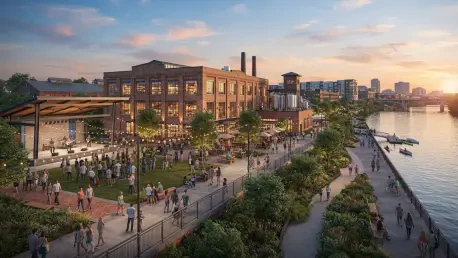

New tax revenue generated by the fifty-seven acre site is expected to provide a ninety-seven million dollar boost to the San Antonio Independent School District. This financial injection serves as a cornerstone for the ambitious redevelopment of the historic Lone Star Brewery, a site that has remained dormant for years. Southstar, the developer leading this effort, has committed to a five-hundred and seventy-five million dollar investment designed to convert this industrial relic into a vibrant mixed-use district. Located in the heart of the Roosevelt Park neighborhood, the project seeks to blend residential and commercial needs with the preservation of San Antonio’s unique architectural heritage. By restoring the brewery buildings, the developers aim to create a destination that respects history while fostering urban growth. This revitalization represents a significant shift in the local landscape, offering a high-density solution to housing while addressing a long-standing eyesore.
Financial Mechanisms: Funding the Vision for Public Infrastructure
The blueprint for the brewery’s transformation extends beyond private interests, placing a heavy emphasis on public infrastructure and community connectivity. Southstar plans to allocate seventy-five million dollars toward essential improvements that will benefit the broader public, including significant roadwork on Lone Star Boulevard and the expansion of the regional trail system. To facilitate these upgrades, the developer is pursuing sixty-three point seven million dollars in public funding through mechanisms like Tax Increment Reinvestment Zones and the establishment of a Municipal Management District. This district would empower the project to issue bonds, providing the capital necessary for landscaping and green spaces that integrate the site with the San Antonio River. Such a structure ensures that the burden of high-quality amenities is shared through future growth. This approach reflects a model where private entities and public resources create functional city hubs.
Economic forecasts for the site suggest a rise in property value that could redefine the fiscal health of the surrounding area for decades. While the fifty-seven acre property is valued at twenty-four million dollars in 2026, Southstar projections indicate that its assessed value will climb to seven hundred and twenty-nine million dollars by 2050. This surge in value is anticipated to generate three hundred and forty million dollars in new tax revenue over the project’s lifecycle, providing a steady stream of funding for critical municipal services. For the local school district, this means a reliable source of income that supports educational infrastructure. By transitioning a blighted industrial zone into a high-value real estate asset, the city secures a long-term economic engine that offsets initial public investment. The scale of this growth demonstrates the potential of large-scale urban infill projects to stabilize neighborhood economies and provide resources for community development.
Community Integration: Balancing Modern Housing with Local History
A critical component of this redevelopment strategy is the active engagement of local residents to ensure the project serves as a neighborhood asset rather than a secluded enclave. City officials, including Councilwoman Teri Castillo, have highlighted the development’s unique position at the intersection of several districts, making it a potential nexus for social and economic activity. By soliciting direct feedback, Southstar has tailored its vision to include a mix of for-sale and rental housing alongside music venues and restaurants that cater to locals. This collaborative spirit aims to prevent the displacement of residents while inviting new opportunities for commerce and recreation. The focus remains on creating a district that feels organic to the South Side, prioritizing walkability and the integration of cultural landmarks. As the planning process moves forward, the emphasis on local accessibility will define the project’s success, ensuring that the site becomes a shared space for all.
The path forward required the approval of multiple city boards and the City Council to secure the necessary financing and zoning adjustments. If these benchmarks were met, infrastructure work was slated to begin in early 2027, marking the definitive start of a construction phase that local leaders viewed as a turning point for the area. Planners focused on establishing clear timelines for the restoration of the brewhouse and the construction of the riverfront trail extensions. This structured approach provided a blueprint for other cities to follow when revitalizing industrial hubs through public-private partnerships. By prioritizing the stabilization of the site and the implementation of environmental remediations, the project developers addressed the concerns that hindered previous attempts. The final strategy emphasized a phased delivery of units, ensuring that the site evolved in tandem with the city. Such measures paved the way for a sustainable district that balanced preservation with progress.