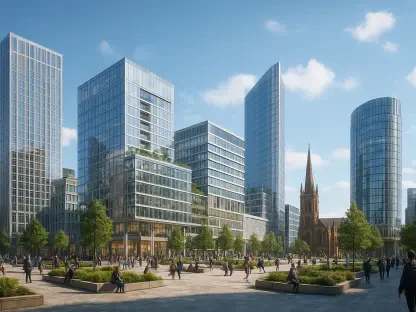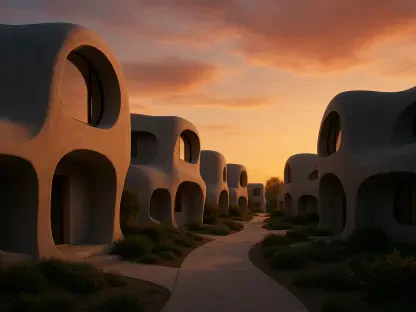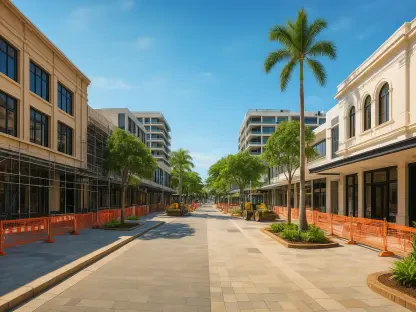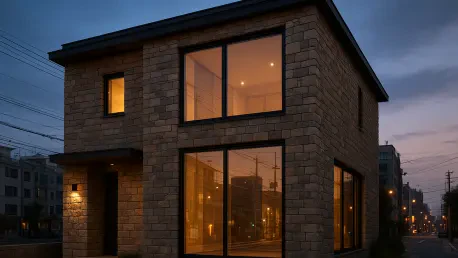

The urban landscapes of Seoul and its surrounding metropolitan areas are undergoing a radical transformation as the South Korean government aggressively pivots toward a deregulated housing strategy designed to alleviate the chronic shortage of affordable living spaces for the younger generation. For years, the dominance of massive apartment complexes has shaped the national real estate identity, yet rising costs and construction delays have pushed the Ministry of Land, Infrastructure and Transport to reconsider the potential of smaller, non-apartment dwellings like villas and multi-household units. By relaxing longstanding zoning restrictions and offering financial safety nets to private developers, policymakers hope to create a more diverse and accessible housing ladder that responds to the immediate needs of newlyweds and young professionals. However, this push for rapid supply faces a complex reality where market sentiment often prioritizes high-rise prestige over low-rise practicality, leaving officials to wonder if structural changes alone can reshape the public’s deeply ingrained residential preferences.
Strategic Legislative Shifts and Structural Incentives
Redefining Urban Density: Building Code Revisions
The cornerstone of this revitalized housing policy lies in the fundamental reshaping of the National Land Planning and Utilization Act, which aims to unlock the density potential of urban neighborhoods. Under the proposed revisions, multi-household dwellings located in type 1 general residential areas will now be permitted to reach five stories in height, provided that the ground level includes a piloti floor structure designed for parking or communal use. This shift represents a significant departure from previous restrictions that frequently capped such buildings at lower heights, effectively limiting the profitability and utility of smaller urban plots. Furthermore, the broader building codes are being updated to increase the standard maximum for dwelling stories from three to four across various residential zones. These technical adjustments are not merely bureaucratic changes; they are designed to incentivize small-scale developers to maximize land use efficiency in areas where traditional apartment developments are geographically or financially unfeasible.
Leveraging State Mechanisms: Stabilizing Private Construction
To ensure that these legislative changes translate into actual construction projects, the government is utilizing the Korea Land & Housing Corporation to provide a robust financial safety net for the private sector. The introduction of “new-build purchase agreements” serves as a critical mechanism to mitigate the risks that have recently stagnated the construction industry. Under these specific arrangements, the state-run corporation guarantees the purchase of a property before the construction phase is even completed, which significantly reduces the initial capital burden on small and medium-sized builders. This preemptive commitment effectively eliminates the uncertainty of the sales market, allowing developers to secure financing more easily and proceed with groundbreakings that might otherwise be deemed too risky. While this strategy has successfully sparked a wave of new projects, industry analysts have raised concerns regarding an increasing and potentially unhealthy reliance on government-backed purchases. The absence of a strong private buyer base means that the state is currently the primary consumer of these units.
Navigating the Cultural and Economic Barriers to Ownership
Market Realities: The Persistence of Apartment Centricity
Despite the government’s aggressive supply-side maneuvers, the success of the villa market continues to be hampered by a deep-seated cultural preference for high-rise apartment living among South Korean residents. Data from the Korea Research Institute for Human Settlements illustrates a stark divide in housing trends, revealing that over 95 percent of young homeowners are concentrated in apartment complexes, whereas more than half of the youth population currently renting resides in non-apartment dwellings. This disparity suggests that villas are overwhelmingly viewed as temporary transit points or short-term rental solutions rather than viable long-term assets. For the majority of the younger demographic, the lack of community amenities and predictable resale value associated with villas makes them a less attractive alternative to the modern apartment lifestyle. Experts emphasize that without the prospect of future redevelopment, many potential buyers see little intrinsic value in non-apartment ownership. This perception is further reinforced by the limited purchasing power of younger citizens.
Future Considerations: Sustainable Housing Mobility Paths
The transition from a state-supported supply model to a self-sustaining market environment required a more nuanced understanding of how residents moved between different housing categories. Legislators and urban planners recognized that simply increasing the volume of units was insufficient if those units did not align with the aspirational paths of the target demographic. Consequently, government officials initiated extensive research into “housing mobility paths” to investigate the specific triggers that allowed individuals to move from non-apartment rentals into permanent homeownership. They discovered that improving the quality of life within villa neighborhoods—such as through better parking solutions and communal safety measures—was just as vital as the physical height of the buildings. These findings prompted a shift toward holistic urban renewal projects that integrated small-scale housing with better public infrastructure. By focusing on creating environments where villas could appreciate in value over time, the state aimed to stimulate genuine private interest from both residents and investors. Moving forward, the strategy emphasized that long-term stability in the housing market would only be achieved when the perceived gap between apartments and villas was narrowed through quality standards.