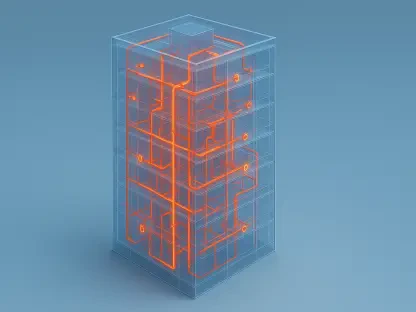

Yelm Community Schools plans to modernize lighting at its high school to redirect scarce financial resources from utility bills back into student programs. This localized effort represents a microcosm of a much larger statewide push to overhaul the energy landscape of Washington’s built environment. As the state moves forward with its ambitious climate agenda, the Department of Commerce has recently unlocked a massive $29.6 million investment aimed at helping building owners align with the rigorous Clean Buildings Performance Standard. This initiative is not merely about environmental stewardship; it is a calculated economic and infrastructural pivot designed to mitigate the effects of the state’s second-largest source of greenhouse gas emissions. By targeting over four hundred facilities across thirty different counties, the program addresses the immediate necessity of modernization while laying the groundwork for long-term fiscal resilience in both the public and private sectors. This strategy ensures that the transition to cleaner energy is accessible to various institutions, creating a sustainable future for all.
Strengthening Public Infrastructure through Strategic Funding
Capital Retrofits: Modernizing Schools and Healthcare
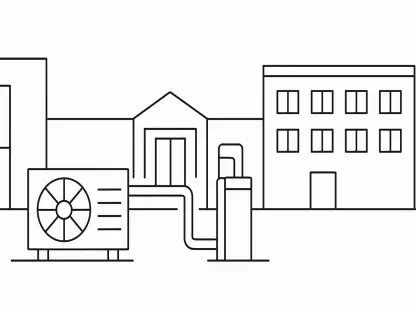
A significant portion of this comprehensive financial package, specifically $10.6 million, has been dedicated to physical energy retrofits for public buildings, including vital centers like local schools and hospitals. These capital projects go far beyond the surface-level goal of regulatory compliance; they are fundamentally designed to reduce long-term operational costs for public institutions. By installing high-efficiency heating, ventilation, and air conditioning systems, or updating outdated electrical grids, these facilities can drastically lower their monthly utility expenditures. This financial breathing room allows school boards and hospital administrators to redirect their limited budgets toward essential services, such as hiring more specialized staff or expanding community health programs. These tangible improvements ensure that the infrastructure serving Washingtonians remains functional and cost-effective, providing a sturdy foundation for future growth throughout the region.
Diagnostic Tools: The Role of Energy Audits
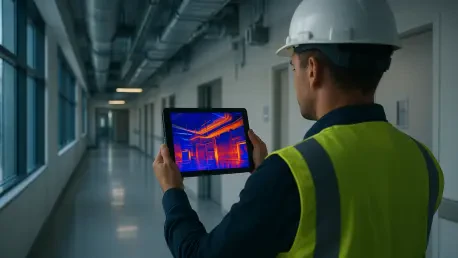
To ensure that these physical upgrades provide the highest possible return on investment, the state has also allocated $8.4 million for energy audits across 163 different buildings. These audits act as a critical diagnostic tool, offering facility managers the granular data required to pinpoint specific inefficiencies that might otherwise go unnoticed. Rather than guessing which systems are failing, leaders can use these professional evaluations to create evidence-based roadmaps for energy reduction and infrastructure modernization. By understanding the exact patterns of how a building consumes power, local decision-makers are empowered to make smarter, more strategic choices about future capital investments. This data-centric approach minimizes waste and ensures that every dollar of taxpayer money is spent on improvements that will have the most significant impact on both the environment and the local economy, fostering a culture of precision in management.
Navigating Regulatory Standards and State Investments
Compliance Management: Establishing Sustainable Operations
The state’s strategy also incorporates a robust support system for owners of large, Tier 1 facilities, providing $6.1 million to help establish the administrative frameworks required by modern environmental laws. This funding stream supports 55 different projects that focus on the logistical side of energy management, such as ENERGY STAR® benchmarking and the development of rigorous operations protocols. By institutionalizing these efficiency practices into the daily routine of facility management, the state ensures that energy conservation becomes a permanent fixture of building operations rather than a temporary effort. This transition to proactive management requires a shift in professional culture, where building owners prioritize continuous monitoring and incremental improvements to maintain high performance levels. Such administrative support is essential for complex structures that require constant oversight to meet the state’s performance targets reliably.
State Property: Lead by Example Initiatives
Focusing specifically on state-owned property, a dedicated $4.5 million fund is being utilized to cover the incremental costs associated with selecting high-efficiency options during pre-planned renovations. This program, known as the State Project Improvements initiative, allows facilities like Yakima Valley Community College to upgrade to advanced heating systems or superior lighting instead of simply opting for standard, less efficient replacements. This methodology maximizes the impact of state spending by integrating green technology into existing construction timelines and maintenance schedules. It avoids the need for redundant work later by ensuring that any current renovation project incorporates the best available technology from the start. By leading by example, the state demonstrates that modernizing public assets is an environmental necessity and a pragmatic strategy that lowers the long-term cost of ownership for taxpayers and public agencies across the region.
Evaluating Socioeconomic Benefits and Future Resilience
Community Prosperity: Job Creation and Public Health
Beyond technical metrics, this massive investment follows a dual-benefit model that links carbon reduction directly to regional economic stability and public health. The construction and maintenance work generated by these 144 individual awards support a wide range of quality jobs in both rural and urban areas, stimulating local economies through labor and the procurement of materials. By lowering the pollution output of large buildings, the initiative also contributes to improved air quality, which has a direct benefit on the health of residents, particularly those in vulnerable communities. As buildings become more efficient, the reduced demand on the local energy grid helps stabilize prices for all consumers, providing a shield against market volatility. This holistic view of building management recognizes that environmental performance is inextricably tied to the general welfare, ensuring that the benefits of green technology are felt society-wide.
Strategic Outcomes: Long-Term Fiscal and Environmental Health
In conclusion, Washington’s comprehensive investment strategy successfully highlighted a necessary shift toward a model where energy performance was tied directly to long-term fiscal and community health. By funding a strategic combination of detailed audits, administrative planning, and major capital upgrades, the state established a sustainable pathway for compliance with evolving environmental standards. Moving forward, building owners should prioritize the integration of real-time monitoring systems and continue to leverage available grants to offset the initial costs of deep energy retrofits. These proactive measures ensured that cleaner, more efficient buildings contributed to a more prosperous and healthy environment for everyone. State leaders might consider expanding these programs to include medium-sized residential complexes to broaden the scope of carbon reduction efforts. Ultimately, the success of these initiatives proved that systematic investments in infrastructure could solve challenges.