
The rapid expansion of higher education enrollment across urban centers has pushed the traditional dormitory model toward a breaking point, necessitating a complete overhaul of how students live and interact with their environments. As university populations surge and urban space tightens, the student housing sector is undergoing a radical transformation where environmental responsibility meets modern living. In an era of climate crisis and rising energy costs, sustainable Purpose-Built Student Accommodation (PBSA) has shifted from a niche luxury to an institutional necessity.
This analysis explores the evolution of green student housing, analyzing the integration of renewable technologies, the impact of professional certifications, and the future of urban regeneration through projects like Bristol’s Skywalks. The fusion of high-density living with carbon-neutral goals is no longer a peripheral concern; it is the defining characteristic of the current development cycle. Consequently, developers are prioritizing long-term ecological viability to satisfy both regulatory requirements and the expectations of a new generation of residents.
The Evolution of Green PBSData and Real-World Application
Market Growth: The Shift Toward Institutional Sustainability
The demand for high-efficiency housing has catalyzed a significant rise in BREEAM and EPC-rated developments within the global student housing market. Institutional investors now recognize a direct correlation between high sustainability ratings, such as EPC A or B, and long-term operational cost reduction. By minimizing energy waste, these buildings insulate portfolios against volatile utility prices while appealing to an environmentally conscious demographic.
In major university hubs like Bristol, the widening supply-demand gap has left a void that only high-density, green builds can effectively fill. From 2026 to 2029, the delivery of these assets is expected to accelerate as municipal planning departments prioritize projects with low carbon footprints. The shift toward institutional sustainability is moving beyond simple compliance, becoming a fundamental driver of asset value and tenant retention in a crowded marketplace.
Case Study: Skywalks and the Temple Quarter Regeneration
The Skywalks project in Bristol serves as a primary example of this trend, featuring a 204-bed development specifically designed to achieve BREEAM Excellent certification. This development utilizes a strategic “cluster” design that maximizes space efficiency while fostering social connectivity among residents. Such architectural configurations are essential for balancing the need for high-density housing with the social well-being of students in a post-pandemic landscape.
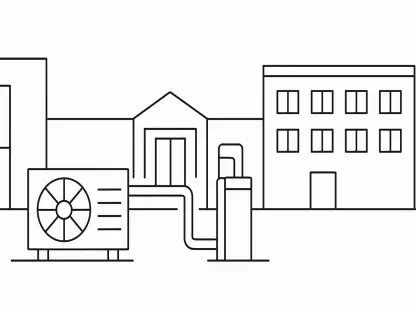
Technically, Skywalks integrates sophisticated technologies to achieve its environmental goals. The inclusion of rooftop photovoltaic panels ensures a steady stream of renewable energy, while a direct connection to Bristol’s municipal district heating network further reduces the building’s carbon output. This localized approach to energy management demonstrates how modern PBSA can function as a productive element of the urban grid rather than a mere consumer of regional resources.
Expert Perspectives: The Sustainable Housing Paradigm
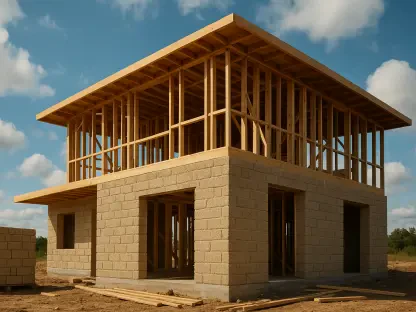
Industry leaders like Watkin Jones emphasize that reaching structural milestones, such as “topping out,” is only one part of a complex collaborative effort. Modern developments require a synergy between structural engineering and environmental strategy from the earliest design phases. This holistic approach ensures that sustainability is baked into the building’s skeleton rather than added as an expensive afterthought during the final stages of construction.
Institutional investors, including Moorfield Group and Tiger Developments, have made ESG (Environmental, Social, and Governance) criteria a non-negotiable component of project funding. They argue that the financial risk of “brown” assets—buildings that do not meet modern green standards—is now too high for long-term holders to ignore. Furthermore, facility managers at Host Students highlight that energy-efficient building envelopes and smart utility management are critical for maintaining operational margins.
The Future of High-Density Student Living
Circular Construction and Carbon-Neutral Materials
The sector is currently transitioning toward circular construction, which prioritizes the reuse of materials and the reduction of embodied carbon. The potential for carbon-neutral housing materials, such as cross-laminated timber or recycled steel, offers a glimpse into a future where student housing has a net-zero impact. This evolution will likely see student developments acting as localized power sources for urban centers through advanced smart-grid integration and battery storage.
Urban Regeneration and the Retrofitting Challenge
A significant challenge remains in balancing the influx of student populations with the needs of local communities and biodiversity targets. While new, high-efficiency builds offer immediate benefits, the industry must eventually evaluate the complexities of retrofitting older housing stock to meet modern standards. New builds provide a predictable path to carbon neutrality, but long-term urban sustainability will require innovative solutions for the inefficiencies of existing legacy residences.
Conclusion: Setting a New Standard for Student Infrastructure
The transition from traditional dormitories to technologically advanced hubs like Skywalks established a new benchmark for urban infrastructure. Developers successfully synthesized institutional investment with environmental stewardship, proving that carbon reduction was a core component of the student experience rather than a separate operational goal. This shift prioritized long-term ecological health, ensuring that the housing sector remained resilient against fluctuating energy markets. Stakeholders moved toward a model where every new bed represented a commitment to a net-zero future, encouraging cities to integrate housing with biodiversity corridors. Future projects expanded this logic by adopting modular assembly techniques that drastically reduced onsite waste. This evolution solidified the role of student housing as a catalyst for broader urban sustainability.