
The management crisis at Maltings View demonstrates how a technical plumbing obstruction can evolve into a full-scale institutional failure of residential care and safety. This specific incident, rooted in the structural complexities of a repurposed 19th-century malthouse, serves as a grim reminder that high-end residential conversions often mask aging infrastructure vulnerabilities. When the internal systems failed on September 19, the resulting inundation was not merely a maintenance hurdle but a catastrophic biohazard event. The luxury facade of the George Street facility quickly dissolved into a scene of structural compromise and environmental danger, leaving residents to navigate a nightmare of displaced lives and ruined possessions. This situation highlights the fragile nature of urban living when oversight fails to keep pace with physical deterioration. As properties continue to age in 2026, the industry must reckon with the reality that a single plumbing failure can destroy a brand’s reputation.
Anatomy of a Systemic Infrastructure Collapse
The transition from a 19th-century industrial site to a modern residential complex involves a delicate balance between historical preservation and mechanical integrity. At Maltings View, this balance was catastrophically upended, revealing how systemic infrastructure failures are often the result of aging frameworks struggling to support contemporary utility demands. The failure was not an isolated plumbing leak but a total collapse of the building’s sanitation architecture. When sewage systems are retrofitted into heritage properties, the margins for error are reduced, as the original structural design never accounted for the hydraulic pressures of modern wastewater management. This disaster serves as a critical case study for developers, emphasizing that the luxury aesthetic of a conversion is only as reliable as the hidden pipes behind the walls. Without rigorous assessments of these internal systems, the risk of a total environmental breakdown remains a constant threat.
Technical Failure: The Bursting of Waste Lines
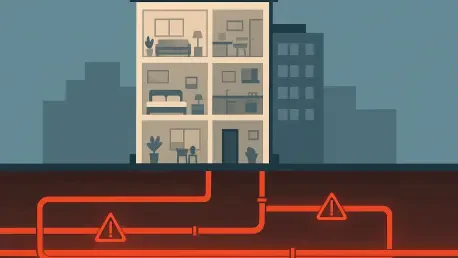
The structural catastrophe began with a significant external blockage within the primary wastewater lines, a condition that created an immense hydraulic backup. As the volume of trapped effluent increased, the pressure eventually reached a critical breaking point, causing the cap end of a main sewage pipe to detach within the ceiling cavity of the ground floor. This breach transformed the building’s internal architecture into a delivery system for raw sewage. Witnesses described the surreal and horrifying sight of human waste streaming through recessed lighting fixtures and electrical conduits. The saturation was so intensive that it compromised the timber and plaster of the 19th-century structure, leading to partial ceiling collapses in several residences. This technical failure illustrates the extreme risks associated with high-density living in historical conversions, where modern plumbing systems are often retrofitted into spaces never designed to handle such intense loads or pressures.
Living Spaces: The Compromise of Residential Sanctuary
Beyond the immediate physical damage to the building’s envelope, the incident inflicted a profound psychological wound on the affected residents. Home is traditionally viewed as a sanctuary, yet for those at Maltings View, that sense of security was replaced by a pervasive, nauseating odor and the visual reality of biohazardous contamination. Families were forced to abandon furniture, clothing, and sentimental items, all of which were rendered unsalvageable by contact with urine and feces. The displacement of tenants into temporary hotel accommodations created a sense of suspended animation, where daily routines were fractured and the comforts of home became distant memories. This loss of sanctuary is a hidden cost of property management failures that often goes unquantified in legal settlements. The emotional trauma of seeing one’s private living space invaded by raw sewage creates a lasting stigma that makes a return to the property nearly impossible for many residents.
Management Negligence and the Breakdown of Trust
The ethical foundation of property management is built upon a fundamental duty of care that ensures the safety and habitability of residential environments. When this duty is breached, the resulting crisis extends far beyond physical repairs, striking at the core of the relationship between a management firm and its clients. In the case of Maltings View, the response to the initial sewage breach highlighted a significant gap between administrative procedures and the urgent reality of a biohazard emergency. Negligence in this context is often characterized by a lack of decisive action and a failure to recognize the immediate health risks posed to tenants. For the industry to maintain its credibility in 2026, firms must move toward a more proactive and empathetic model of oversight. A failure to address infrastructure emergencies with the necessary speed and transparency not only damages the reputation of the specific firm but also undermines public confidence in the broader market.
Administrative Failures: The Delay in Crisis Response
A defining feature of the Maltings View crisis was the perceived administrative paralysis of the firm tasked with the building’s daily operations. Reports indicate an initial period of denial, where management allegedly claimed the issue fell outside their jurisdiction, effectively delaying the deployment of emergency engineers until the flood had already caused irreparable damage. This lag in response is particularly egregious given the biological nature of the spill. Even more alarming was the decision to leave sewage-soaked carpets in situ for ten days following the initial leak. This lack of urgency ignored basic sanitation protocols, allowing for the rapid proliferation of mold and bacteria within the building’s porous surfaces. Such negligence demonstrates a fundamental failure to grasp the health implications of a sewage breach, turning a repairable plumbing issue into a long-term environmental hazard that continues to threaten the structural health of the entire complex.
Industry Evolution: The Future of Property Safety
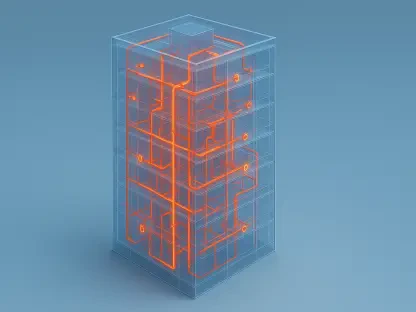
The industry viewed the Maltings View scandal as a definitive warning regarding the ethics of historical property maintenance. Management firms were forced to realize that an efficient administrative facade could no longer compensate for a lack of proactive infrastructure investment. In the aftermath, forward-thinking companies began implementing real-time sensor technology to detect moisture and pressure changes within aging pipe networks, moving toward a model of predictive maintenance. The crisis also prompted a reevaluation of crisis communication protocols, emphasizing that empathy and rapid intervention were more effective at mitigating reputation damage than corporate distancing. Ultimately, the survival of property management brands in 2026 became tethered to their ability to treat residential safety as a non-negotiable priority rather than a line-item expense. Those who failed to adapt to these heightened expectations found themselves facing significant legal liabilities.