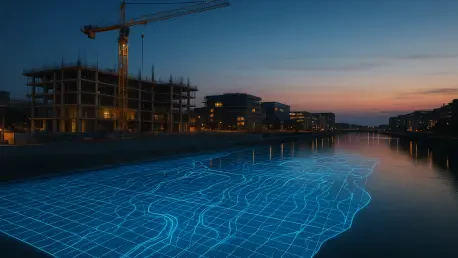

Developers are seeking several zoning variances for height and setback distances, but these requests are currently stalled by the need for a comprehensive flood-plain analysis. The transformation of the property at 5 Home Street, a site formerly occupied by a courthouse and a health clinic, represents a major step toward modernizing Brockville’s downtown area. Lion Trade Ltd. has proposed a seven-story, mixed-use complex featuring 94 residential rental units and substantial commercial space to address the city’s housing shortage. However, the municipal planning and development committee recently voted unanimously to defer the rezoning application, citing unresolved technical disputes with the Cataraqui Region Conservation Authority. This move emphasizes that environmental safety and long-term sustainability must be prioritized over rapid urban expansion. By delaying the project, the city is ensuring that the proposed building footprint is truly safe from the rising waters and unpredictable weather patterns of the St. Lawrence River.
Technical Hurdles and Zoning Variations
Addressing Regulatory Deviations and Site Planning
The progression of the 5 Home Street project depends on the city’s willingness to grant significant deviations from the existing Official Plan and local zoning bylaws. Currently, the site is restricted by a five-story height limit, yet the developers have proposed a seven-story design that necessitates a site-specific exception to maximize residential density. Furthermore, the plan requires relief from “angular plane” regulations, which are essential planning tools designed to prevent tall structures from overshadowing public streets and adjacent residential properties. City officials have noted that these variances cannot be evaluated in a vacuum, as the final physical placement of the building remains uncertain. If the building footprint must be moved further from the river to satisfy safety requirements, the entire architectural layout, including height and setbacks, would need to be re-engineered. Consequently, the committee has tied any zoning approvals to the completion of a definitive site plan that accounts for both density goals and environmental constraints.
Discrepancies in Flood Plain Mapping
The most significant technical hurdle facing the development is the conflicting data regarding flood risks and wave uprush along the St. Lawrence River. The developers initially provided an environmental study based on 100-year flood elevation data from 1994, asserting that the current breakwalls and municipal infrastructure provide adequate protection. However, the Cataraqui Region Conservation Authority updated its mapping and safety standards in 2024 to reflect more contemporary river level projections and erosion patterns. Under these updated metrics, a portion of the proposed building sits within a high-risk flood zone, raising concerns about structural damage and the safety of future residents during extreme weather events. The conservation authority has requested a new erosion hazard assessment and a modernized study that aligns with these 2024 standards. This discrepancy underscores the necessity of using current scientific data when planning high-density waterfront developments, as legacy data from thirty years ago no longer accurately predicts the impact of modern environmental shifts on urban infrastructure.
Political Debate and Community Impact
Friction Between Development Goals and Conservation Standards
The council’s decision to defer the project has sparked a political debate regarding the balance between housing needs and bureaucratic conservation standards. Councilor Jeff Earle and other critics have questioned the necessity of new flood studies, arguing that the St. Lawrence River’s levels are strictly controlled by international commissions, making local geography less of a factor. These members are concerned that the delay creates unnecessary hurdles for developers during a provincial affordability crisis, potentially scaring off investment in much-needed rental housing. They point to the existing protection offered by Blockhouse Island and other city infrastructure as proof that the site is already secure. Conversely, supporters of the deferral maintain that the city cannot afford to bypass the recommendations of conservation experts, regardless of administrative frustrations. This tension highlights the difficulty of municipal governance in an era where the demand for rapid construction often clashes with the responsibility to protect the public from ecological hazards.
Balancing Urban Density with Neighborhood Character
Addressing the concerns of the community was another critical component of the council’s decision to postpone the project. Local residents voiced significant opposition to the seven-story tower, citing the potential for increased traffic congestion on Apple and Water Streets and the visual impact on the waterfront skyline. These neighborhood concerns reflected a broader desire to preserve the historic character of the area while still accommodating modern growth. To move forward, the council established a framework where the developers must demonstrate how they will mitigate traffic issues and adapt the building’s design to better fit the existing urban landscape. Actionable next steps included the commissioning of an updated environmental report and a refined traffic impact study to be presented at a subsequent meeting. By taking this measured approach, the city prioritized a solution that balanced technical safety, housing density, and community harmony. Ultimately, the deferral ensured that the final development would be a resilient addition to the city rather than a source of future liability or neighborhood discord.