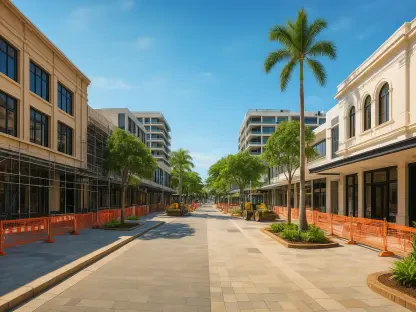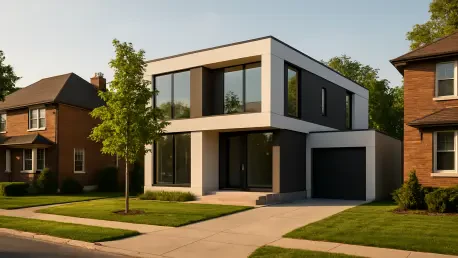

Clayton Patterson of SMDB Land has pledged to utilize local contractors for all property maintenance to ensure that the new housing developments remain in excellent condition for years. This initiative addresses a critical shortage of mid-tier residential options within the city limits, focusing on the repurposing of underutilized land that has sat dormant for several cycles. By targeting these specific infill locations, the project avoids the pitfalls of urban sprawl while breathing new life into established neighborhoods. Residents in these areas have long sought a solution for the visual and economic drain caused by empty parcels, and the arrival of SMDB Land signifies a shift toward sustainable, density-focused growth. The strategy involves not just building houses, but creating a cohesive urban fabric where accessibility and aesthetics meet the needs of modern working families. As construction begins on the first phase, the emphasis remains on high-quality materials and architectural designs that complement existing structures, ensuring the new builds feel like a natural extension of the community.
Urban Renewal: Transforming Blight Into Community Assets
The process of identifying suitable vacant lots required an extensive analysis of zoning laws and infrastructure readiness to ensure each site could support modern utilities. Many of these locations were previously considered too small or oddly shaped for traditional large-scale developers, yet they offer the perfect footprint for specialized affordable housing designs. By utilizing advanced land-mapping software and working closely with municipal planners, the development team has cleared the path for a series of builds that maximize living space without sacrificing outdoor area. This granular approach to urban development ensures that no pocket of the city is left behind in the broader push for modernization. Furthermore, the removal of overgrown vegetation and debris from these sites immediately improves the safety and appeal of adjacent properties. This ripple effect encourages neighboring homeowners to invest in their own renovations, creating a collective upward trend in property values across the entire district. The focus remains on long-term stability rather than quick turnover.
Sustainable Engineering: High-Performance Building Standards
In addition to site selection, the integration of energy-efficient technology plays a central role in making these homes truly affordable for the long term. Each structure is being outfitted with high-performance insulation, smart thermostats, and low-flow water fixtures that significantly reduce monthly utility expenses for the occupants. This commitment to sustainability extends to the construction phase, where pre-fabricated components are used to minimize waste and accelerate the building timeline from 2026 to 2027. By streamlining the supply chain and sourcing materials like recycled steel and sustainable timber, SMDB Land reduces the overall carbon footprint of the project. This technological edge allows for a price point that remains accessible to low-to-moderate income earners who are often priced out of the new construction market. The result is a housing product that does not compromise on modern comforts or environmental responsibility, setting a new standard for how small-scale urban infill projects can be executed effectively in today’s economy.
Strategic Impact: Economic Empowerment Through Localized Development
Beyond the physical structures, the project serves as a significant catalyst for the local labor market by prioritizing partnerships with neighborhood businesses. This strategy ensures that the capital invested in these housing units stays within the city, circulating through the hands of local electricians, plumbers, and landscapers. By fostering these professional relationships, SMDB Land helps stabilize the local service industry, providing a steady stream of work that spans the duration of the multi-phase rollout. This collaborative model also facilitates a sense of ownership among the workers, as they are contributing to the improvement of their own hometown. Apprenticeship programs have also been integrated into the construction schedule, offering younger residents a chance to gain hands-on experience in the trades under the guidance of seasoned professionals. This focus on human capital ensures that the benefits of the development project extend far beyond the delivery of the keys. The broader economic impact is visible in the increased demand for local retail and services as new families move into these previously unoccupied spaces.
Future Planning: Scaling Inclusivity Through Resilience
The successful implementation of this housing model demonstrated that small-scale urban intervention provided a viable path toward solving regional inventory shortages. City officials and private stakeholders observed how the targeted use of vacant land effectively mitigated the housing gap while revitalizing the tax base without needing massive infrastructure expansions. Stakeholders recognized that maintaining this momentum required a commitment to ongoing property management and the integration of community feedback into future design iterations. This approach transformed the architectural landscape and established a blueprint for other mid-sized cities facing similar demographic shifts. The focus shifted toward long-term residency programs that encouraged first-time homeownership and provided financial literacy resources to new occupants. The city identified that the next logical step involved the creation of a permanent municipal land bank to facilitate future acquisitions. By prioritizing both structural integrity and social equity, the city secured a more resilient and inclusive residential environment for all of its citizens.