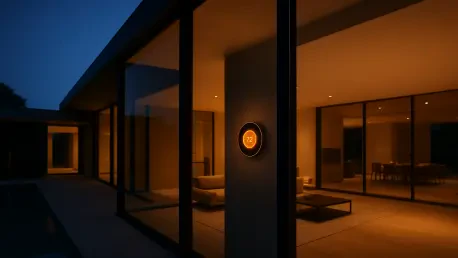

Smartphone integration allows for precise temperature adjustments from any location, ensuring a home is comfortable upon arrival while maintaining efficiency during the hours it remains unoccupied. The traditional home thermostat has undergone a radical transformation, moving away from the rudimentary mercury switches and manual dials of the past into a sophisticated, data-driven command center. This evolution represents a significant shift in how residential climate management is perceived, transitioning from a reactive adjustment process to a proactive, automated strategy. While the initial investment for a high-end smart thermostat remains higher than that of a standard programmable model, the long-term financial benefits are substantial. Modern systems utilize complex algorithms and environmental sensors to learn the unique thermal profile of a building, identifying exactly how long it takes to heat or cool specific zones. By minimizing unnecessary HVAC cycles and optimizing energy consumption based on real-time occupancy data, these devices provide an unprecedented level of transparency regarding utility expenses. Homeowners now have access to granular energy reports that highlight wasteful patterns, allowing for informed decisions that contribute to both personal savings and broader environmental sustainability goals.
Leading Models: Comprehensive Solutions for Modern Homes
The ecobee Smart Thermostat Premium has established itself as a premier choice for those seeking a holistic approach to home management. This device functions as much more than a temperature regulator; it serves as a central intelligence hub for the entire residence. One of its most notable advancements is the inclusion of integrated air quality monitoring, which tracks volatile organic compounds and carbon dioxide levels while providing reminders for furnace filter replacements. This focus on indoor wellness distinguishes the model from competitors that prioritize only thermal comfort. Furthermore, the inclusion of a dedicated remote sensor allows the system to address the common problem of “hot spots” or “cold zones” by prioritizing the temperature in occupied rooms rather than the hallway where the main unit is typically installed. With a built-in smart speaker and compatibility with extensive security ecosystems, this model offers a seamless interface for voice commands and home monitoring, justifying its premium price point through a combination of utility, safety, and sophisticated environmental control.
Conversely, the fourth-generation Google Nest Learning Thermostat remains a dominant force for users who prioritize automated scheduling and aesthetic integration. The hallmark of this device is its ability to operate autonomously; after a brief initial period of manual adjustments, the system learns the household’s routine and constructs a personalized schedule without further user intervention. The hardware design is equally impressive, featuring a high-resolution, mirrored display that utilizes a technology called Farsight to illuminate the screen when it detects movement from across the room. This makes it easy to read the time, weather, or temperature at a glance. For homes already deeply integrated into the Google Home ecosystem, the Nest offers unrivaled synergy, utilizing advanced presence sensing to determine when the house is empty. This prevents the heating or cooling system from running at full capacity when no one is home, ensuring that energy conservation happens automatically. The intuitive installation process and sleek physical footprint make it an ideal selection for those who want a “set it and forget it” experience without sacrificing modern design.
For consumers seeking a more accessible entry point into home automation, the Amazon Smart Thermostat provides a streamlined experience focused on essential functionality. Developed in collaboration with experienced HVAC manufacturers, this device prioritizes simplicity and cost-effectiveness while maintaining core smart features. It integrates deeply with the Alexa platform, allowing users to create “hunches” where the system makes energy-saving adjustments based on other smart device activity within the home. A significant advantage of this model is its direct connection to local utility providers, which frequently offers users the opportunity to participate in demand-response programs or claim significant rebates that can offset the initial purchase cost. While it lacks some of the onboard learning algorithms found in more expensive competitors, its reliance on cloud-based processing ensures that it stays updated with the latest energy-saving strategies. This model is particularly well-suited for renters or budget-conscious homeowners who want to modernize their climate control with a reliable, straightforward device that emphasizes practical efficiency over complex secondary features.
Specialized Devices: Addressing Legacy Systems and Precision
The Honeywell Home T9 represents a tactical solution for larger residences where a single thermostat location cannot accurately reflect the temperature across multiple floors or wings. By utilizing advanced smart room sensors that track both temperature and humidity, the T9 allows users to manage distinct “micro-climates” throughout the home. This prevents the common issue of a living room reaching the desired temperature while bedrooms remain uncomfortably warm or cold. One of the most effective features of this system is its geofencing capability, which uses the GPS location of the residents’ smartphones to trigger energy-saving modes. As the last person leaves the designated perimeter, the thermostat automatically adjusts to a more efficient setting, and as the first person returns, it restores comfort levels before they even step through the front door. This ensures that energy is never wasted on an empty house while maintaining a high standard of comfort. The focus on multi-room sensing makes it an essential tool for maximizing the efficiency of complex HVAC configurations that struggle with uneven airflow.
While many smart thermostats are optimized for modern forced-air systems, the Mysa Smart Thermostat addresses the specific needs of homeowners with electric baseboard or high-voltage heating. This category of heating is notoriously difficult to automate effectively, but Mysa has introduced a sleek, high-tech interface that brings modern scheduling and remote access to these traditional systems. Beyond mere temperature control, the device tracks indoor humidity and integrates with all major smart home platforms, including Apple HomeKit and Matter-enabled ecosystems. This allows users with older homes or specialized heating requirements to enjoy the same level of energy transparency and automation as those with the latest central air conditioning. By providing detailed energy consumption charts specifically for high-voltage heaters, which are often more expensive to operate, the device empowers users to identify the exact cost of their heating habits. This specialized focus ensures that the benefits of the smart home revolution are available to a wider range of housing types, regardless of the underlying mechanical infrastructure or the age of the building.
The Honeywell Home Smart Color Thermostat provides a balanced alternative for users who prefer a more traditional, tactile interface coupled with modern connectivity. Unlike the minimalist designs of other smart brands, this model features a large, full-color touchscreen that can be customized to match the interior decor of the room. It appeals to a demographic that values a clear, constant display of the outdoor weather, indoor humidity, and the current heating status without needing to open a mobile application. While it does not employ the same level of predictive learning as the Nest, it offers robust, seven-day programming and voice control through various digital assistants. The reliability of this model is rooted in its straightforward approach to scheduling, offering a familiar experience for those transitioning from older programmable units. Its ability to provide real-time alerts regarding extreme temperature fluctuations or loss of internet connection ensures that homeowners are always informed about the status of their HVAC system, making it a dependable choice for those who value consistency and visual integration.
Strategic Implementation: Connectivity and Technical Selection
Successful installation and long-term satisfaction with a smart thermostat depend heavily on understanding the technical requirements of the home’s existing electrical system. The most frequent bottleneck encountered during the upgrade process is the absence of a “Common Wire,” or C-Wire, which provides the continuous low-voltage power required for Wi-Fi radios and high-resolution displays. Many older residential properties were wired for simple circuits that only required two or four wires, which can lead to power delivery issues for modern devices. In these instances, homeowners must look for thermostats that include a power extender kit or consider professional installation to ensure the HVAC system remains functional and safe. Verifying the compatibility of the chosen device with the current wiring before purchase is a critical step that prevents damage to sensitive electronic components. As the industry moves toward universal standards like Matter, checking for cross-platform interoperability has also become a vital consideration for maintaining a flexible and future-proof smart home environment that can evolve as new technologies are introduced.
When selecting a device, it is important to prioritize functionalities that align with the specific lifestyle and occupancy patterns of the household. For individuals with highly irregular schedules, geofencing and motion-based sensors offer the highest potential for energy savings by reacting to real-time presence rather than following a rigid program. Conversely, for those who work from home, the ability to maintain precise comfort in specific rooms using external sensors might be the more valuable feature. Detailed energy reporting serves as a diagnostic tool, helping to identify if an HVAC system is underperforming or if insulation upgrades are necessary to retain conditioned air more effectively. Thorough testing has shown that the most successful implementations are those where the user interface is intuitive enough for all household members to operate without frustration. By focusing on the intersection of technical compatibility, user experience, and automated efficiency, homeowners can transform a simple utility control into an intelligent asset that pays dividends in both comfort and cost reduction over the coming years.
Final Analysis: Enhancing Residential Energy Management
The implementation of smart climate technology represented a significant leap forward in the quest for residential efficiency and personal convenience. Throughout the evaluation of various models, it became clear that the value of these devices extended far beyond the simple ability to change the temperature from a smartphone. The integration of environmental sensors, occupancy detection, and machine learning algorithms allowed for a more nuanced approach to home management that was previously impossible with manual systems. These advancements successfully bridged the gap between high-level automation and user-friendly control, making sophisticated energy management accessible to a broader audience. Homeowners who adopted these technologies found that the initial setup challenges, such as addressing wiring requirements, were quickly overshadowed by the consistent savings and improved air quality. The shift toward standardized communication protocols ensured that these devices could operate harmoniously within a larger ecosystem, providing a stable foundation for the intelligent home.
Looking forward, the next logical steps for those seeking to maximize their investment involved a more proactive engagement with the data provided by these intelligent systems. Reviewing monthly energy reports served as a vital strategy for identifying hidden inefficiencies in home insulation or HVAC performance. Homeowners were encouraged to explore utility-sponsored programs that provided financial incentives for peak-demand management, further reducing the total cost of ownership. Additionally, as more devices became compatible with universal standards, the opportunity to link thermostats with automated window treatments and lighting systems created a truly holistic energy strategy. The transition to smart thermal management was not merely an upgrade in hardware, but a fundamental change in how individuals interacted with their living spaces. By prioritizing devices that offered both technical reliability and meaningful data insights, residents ensured that their homes remained both sustainable and comfortable in an increasingly connected world.