
As unrelenting heat waves continue to rewrite climate records across the globe during the mid-2020s, municipal leaders and urban architects are increasingly prioritizing the installation of living rooftop systems to shield vulnerable city dwellers from the lethal effects of the urban heat island phenomenon. While these verdant sky-scapes offer a promising defense against rising temperatures, their long-term efficacy depends entirely on a commitment to rigorous maintenance that far exceeds the initial enthusiasm of a ribbon-cutting ceremony. Without a sustained strategy for preservation, these complex biological systems risk transforming from vibrant climate solutions into decaying liabilities that burden the very buildings they were designed to protect. The transition toward greener cities requires more than just capital investment in new construction; it demands a cultural shift in how property owners perceive the ongoing stewardship of organic infrastructure. As 2026 progresses, the conversation must move beyond the novelty of green design toward the practical realities of keeping these critical ecosystems alive.
Understanding the Engineering of Living Architecture
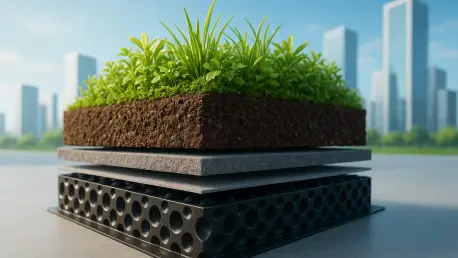
A sophisticated green roof represents a radical departure from traditional roofing because it functions as a multi-layered, living machine integrated directly into the structural skeleton of a building. At its core, the system requires a high-performance waterproofing membrane that prevents root penetration and moisture damage, topped by specialized root barriers and thermal insulation. Above these protective layers sits a drainage mat designed to manage excess rainfall while retaining enough moisture to sustain vegetation during dry spells. This is followed by a filter fabric that prevents fine soil particles from clogging the drainage system, and finally, the engineered growing medium itself, which is significantly lighter than standard topsoil. Every component must work in perfect harmony to balance the biological needs of the plants with the physical limitations of the architecture. If any single layer fails due to neglect, the entire ecosystem can collapse, leading to costly structural repairs and the loss of environmental benefits.
The classification of these installations generally falls into two categories: extensive and intensive systems, each requiring a different level of technical oversight and resource allocation. Extensive roofs are typically shallower and lighter, utilizing hardy, drought-tolerant species like sedums or native grasses that can survive in harsh, windswept environments with minimal human intervention. In contrast, intensive green roofs function as true rooftop parks or urban farms, featuring deep soil beds that can support a diverse range of flora, including wildflowers, shrubs, and even small trees. While intensive roofs offer the greatest aesthetic and social value, they also place a much higher demand on the building’s structural capacity and irrigation requirements. Regardless of the type chosen, the initial design phase must account for the specific climate of the region and the projected life cycle of the vegetation. Neglecting these details during the early stages of planning often leads to premature plant death and the eventual abandonment of the system.
Examining the Environmental and Economic Benefits
The primary environmental advantage of these systems lies in their ability to mitigate the urban heat island effect through the biological process of evapotranspiration. Unlike traditional black asphalt or gray concrete roofs that absorb solar radiation and radiate heat back into the atmosphere, green roofs use solar energy to evaporate water from plant leaves and soil surfaces. This natural cooling mechanism can lower rooftop temperatures by as much as fifty degrees Fahrenheit during peak summer months, creating a buffer that significantly reduces the heat transferred into the building interior. For flagship projects such as San Francisco’s Salesforce Park, this thermal regulation resulted in substantial annual energy savings by reducing the demand for mechanical air conditioning. Furthermore, the sheer scale of such installations contributes to a cooling effect that extends beyond the building itself, helping to lower the ambient air temperature in the surrounding neighborhood. This collective cooling power is essential for protecting urban populations during extreme heat.
Beyond their thermal properties, green roofs serve as vital tools for modern stormwater management by functioning like high-altitude sponges during heavy rainfall events. In dense urban centers where impervious surfaces lead to rapid runoff and sewer overflows, these living systems capture and filter water, releasing it slowly back into the atmosphere or the city’s drainage network. This process not only prevents the flooding of local streets but also improves water quality by trapping pollutants and heavy metals within the growing medium before they can reach natural waterways. Additionally, these rooftops provide critical sanctuary for local wildlife, offering a patchwork of habitats for pollinators, migratory birds, and beneficial insects that have been displaced by concrete development. By introducing diverse native plant species to the skyline, architects can create ecological corridors that support urban biodiversity while simultaneously improving the psychological well-being of the human residents who live and work in the shadow of these verdant structures.
Addressing the Gaps in Policy and Longevity
Despite the clear environmental and social advantages, many municipal policies fail to address the long-term health of green infrastructure, focusing instead on the initial construction phase. Governments in cities like Chicago and Philadelphia have successfully utilized tax credits and zoning bonuses to incentivize the adoption of green roofs, but these programs rarely include provisions for ongoing oversight. This lack of a post-occupancy mandate often leads to a set it and forget it mentality among developers who may only be interested in meeting the minimum requirements for a building permit or a sustainability certification. When public policy stops at the point of installation, it treats a living ecosystem as if it were a static mechanical component like an HVAC unit or a solar panel. However, plants are dynamic organisms that require perpetual care, and without clear legal or financial requirements for maintenance, many of these systems eventually fall into a state of disrepair. This policy gap represents a significant risk to the long-term climate resilience goals of many modern cities.
A recent analysis of green roofs across various metropolitan areas revealed a disturbing correlation between property turnover and the failure of rooftop vegetation. The study indicated that when a building changes ownership, the specialized knowledge required to manage the irrigation and fertilization of the roof often disappears during the transition. New owners, who may not have been involved in the original design process, frequently view the green roof as a dispensable luxury or a maintenance burden rather than a critical asset. Consequently, they may choose to cut the budget for botanical care or fail to repair aging irrigation systems, leading to the rapid death of the plant life. In many documented cases, the resulting decay became so severe that the entire green roof had to be removed and replaced with conventional materials to prevent structural damage from invasive weeds and clogged drainage paths. This trend highlights the necessity of creating permanent records and maintenance manuals that are legally tied to the property deed to ensure that stewardship survives shifts in management.
Implementing Sustainable Stewardship for Future Resilience
The financial sustainability of a green roof depends on recognizing that maintenance is an operational necessity rather than an optional expense. Depending on the complexity of the design, annual upkeep costs can range from a few cents to several dollars per square foot, covering essential tasks such as weeding, nutrient replenishment, and structural integrity inspections. To secure the longevity of these systems, building owners must integrate these costs into their long-term capital planning from the very beginning. This includes hiring specialized landscaping firms that understand the unique challenges of high-altitude horticulture, where wind speeds and sun exposure are significantly more intense than at ground level. Furthermore, advanced monitoring technologies, such as moisture sensors and automated irrigation controllers, can help reduce labor costs while ensuring that plants receive precisely the amount of water they need to thrive. Transitioning to a data-driven management approach allows property managers to identify potential issues before they escalate into systemic failures.
Urban planners and municipal governments eventually realized that the survival of green infrastructure depended on legally binding maintenance agreements rather than mere construction subsidies. They discovered that mandating periodic inspections and creating specialized certification programs for rooftop landscapers ensured that these systems remained functional over several decades. By shifting the financial burden through innovative insurance products or long-term escrow accounts, cities successfully mitigated the risks associated with property turnover. These strategies transformed green roofs from experimental prototypes into permanent fixtures of the urban landscape. Stakeholders learned that the true cost of climate resilience included the perpetual labor of weeding, pruning, and monitoring, rather than just the one-time price of installation. As these practices became standardized, the gap between architectural vision and biological reality narrowed significantly, providing a blueprint for sustainable development that actually lasted.