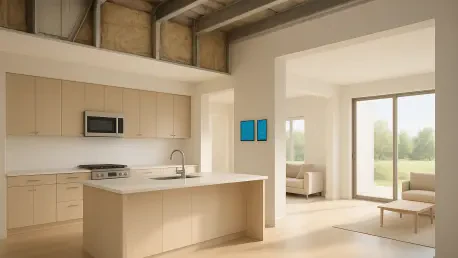

The demand for low-maintenance ranch-style and patio homes is surging among retirees in Columbus who are looking for forever homes that prioritize accessibility and modern efficiency. This demographic shift represents a significant pivot in the Central Ohio real estate market, where the allure of historic districts is increasingly challenged by the practical benefits of contemporary construction. Buyers are no longer willing to overlook the hidden costs of aging plumbing or the constant maintenance required by older structures. Instead, there is a clear movement toward properties that offer high-performance insulation, smart home integration, and universal design principles that allow residents to age in place comfortably. As the local population continues to grow, the inventory of existing homes has remained low, creating a competitive environment that drives prices above fair market value. Consequently, the choice to build new transformed from a luxury option into a strategic financial decision for households seeking stability and longevity in their investments.
Long-Term Value and Economic Efficiency: The New Standard
The initial investment in a new build often appears daunting, but a deeper analysis of the total cost of ownership reveals a more favorable narrative. Modern builders in Columbus utilize advanced materials that reduce energy consumption, leading to utility bills that are often 30 to 50 percent lower than those of older residences. Furthermore, the inclusion of comprehensive builder warranties provides a financial safety net that existing homes simply cannot match. When an HVAC system or a roof is guaranteed for the first decade, the stress of emergency repairs evaporates, allowing homeowners to allocate resources toward lifestyle enhancements rather than structural fixes. This predictability is a primary motivator for families who value stability in their monthly expenses. By choosing new construction, residents effectively lock in their housing costs and avoid the inflationary pressures of the home renovation market, which has seen labor and material costs spike in the recent years.
Geographic expansion is another critical component of this trend, as the physical boundaries of Greater Columbus continue to push into once-rural territories. Development projects in surrounding counties like Licking and Union are no longer considered remote outposts but are viewed as thriving hubs of modern living. Communities like Jerome Village or the emerging residential pockets in Hebron Landing offer a blend of natural beauty and high-end amenities that are difficult to replicate in the urban core. These developments often feature walking trails and community centers that foster a sense of belonging. As regional infrastructure improves, the perceived distance between these outlying areas and the city center has shrunk, making them attractive for commuters who desire larger lot sizes and quieter surroundings. The strategic placement of these new builds ensures the region accommodates its growing workforce while maintaining a high standard of living.
Mastering the Financial and Technical Framework: Building Success
Navigating the financial landscape of new construction requires a departure from traditional mortgage methodologies, focusing on specialized loan structures. The construction-to-permanent loan has become a vital tool for many Columbus buyers, allowing them to finance the building process and the final mortgage through a single closing. This arrangement provides a streamlined path, covering land acquisition and construction draws while protecting the borrower from fluctuating interest rates. Additionally, many regional developers offer incentives, such as tax abatements or closing cost credits, which lower the barrier to entry for first-time builders. These financial mechanisms offset the complexities of the building process, making it a viable alternative to the resale market. Understanding these nuances is essential for buyers who wish to maximize their purchasing power and ensure their investment remains secure from the start through the final home inspection.
Beyond financial arrangements, technical aspects of land development play a decisive role in project success. For those venturing into custom builds on individual parcels, the due diligence process involves evaluation of zoning regulations, soil quality, and utility accessibility. In rural Central Ohio, homeowners must account for the installation of private septic systems and well water access, requiring specialized permits and engineering expertise. These technical prerequisites influence the placement of the home and the overall design. Furthermore, local zoning setbacks and environmental protections must be strictly adhered to, necessitating a partnership with surveyors and civil engineers. By addressing these logistical challenges early, builders avoid costly delays and ensure the project remains compliant with municipal standards. This thorough approach to site preparation allows a custom vision to become a reality, providing a solid foundation for the future.
Streamlining the Development Journey: Expertise and Outcomes
The transition from a conceptual design to a completed residence is a multi-phased journey that demands clear communication and a synchronized team. A successful build involves collaboration between Realtors specializing in new construction, lenders familiar with draw schedules, and builders who understand local supply chains. While the timeline for a custom home can extend up to 18 months, the ability to personalize every detail—from the kitchen layout to electrical outlets—ensures the final product reflects the owner’s lifestyle. This level of customization is appealing in a market where existing inventory requires expensive remodeling to meet modern standards. By managing timeline expectations and focusing on long-term rewards, buyers navigate the complexities of construction with confidence. The result is a home that is not just a place to live, but a tailored environment designed specifically to enhance the daily lives of occupants through architecture.
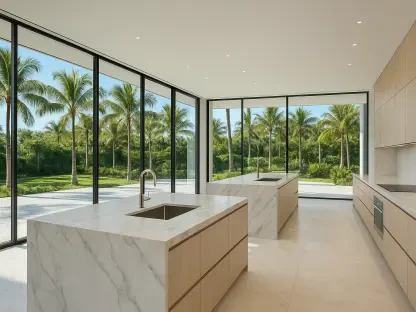
For buyers seeking an elevated standard of living, exclusive developments like Currier Ridge and The Estates at Scioto Falls represent the pinnacle of the regional construction boom. These high-end communities offer a blend of privacy and luxury, featuring oversized lots with scenic views or direct access to local waterways. The focus in these enclaves is on creating a bespoke living experience that integrates the natural landscape into the design, utilizing large windows and outdoor spaces to blur lines between indoors and out. Such properties cater to a clientele that prioritizes architectural distinction and quality finishes over the generic designs of the past. As these hotspots attract investment, they set a new benchmark for luxury in Central Ohio, proving the move toward new construction is about both utility and prestige. Investing in these specialized areas ensures the homeowner gains a unique asset that retains its value for decades to come.
Establishing a Sustainable Real Estate Legacy: Next Steps
The move toward new construction in Columbus became a definitive solution for those seeking to bypass the volatility of the existing housing market. Industry leaders determined that the integration of energy-efficient systems and flexible floor plans provided a superior long-term ROI compared to traditional renovations. Successful homeowners prioritized the assembly of a specialized team of consultants, which mitigated the risks associated with technical land requirements and complex financing. These individuals realized that early engagement with builders allowed for greater control over budget and design, leading to more sustainable living environments. Furthermore, the selection of strategic locations in the expanding suburban corridors proved to be a vital step in securing property value. The shift emphasized that modern construction was no longer just about newness, but about a change in how residents valued efficiency and lifestyle accessibility in their homes.
Prospective homeowners who looked ahead found that the most effective strategy involved balancing immediate lifestyle needs with future-proofed technologies. They discovered that by choosing developments with robust infrastructure and community-oriented planning, they were able to foster a higher quality of life while maintaining strong resale potential. The adoption of smart home ecosystems and universal design features became standard practices that protected the household from obsolescence. Furthermore, the shift encouraged a more collaborative relationship between buyers and the local government regarding land use and sustainability. This proactive engagement ensured that the residential expansion of the region remained orderly and beneficial for all stakeholders. Ultimately, the decision to invest in new construction served as a catalyst for a broader transformation of the real estate landscape. By focusing on these actionable insights, residents achieved their goals.