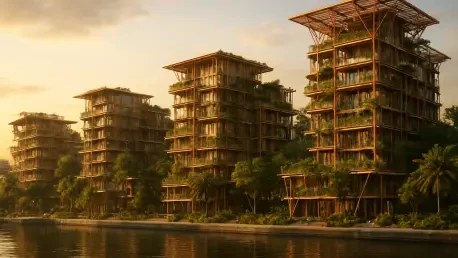

Modernizing traditional building techniques by using engineered bamboo and treated timber can transform structures from carbon sources into effective carbon sinks. As Bangladesh navigates a period of unprecedented urban expansion, the environmental price of development has become impossible to ignore. The skyline of Dhaka, once dominated by low-rise traditional dwellings, now bristles with concrete skeletons that represent a significant carbon debt. Traditionally, the focus of green building has remained fixed on operational energy—how much electricity a finished building consumes for cooling and lighting. However, engineers and architects are now pivoting toward a more holistic view that encompasses the entire lifespan of a structure. This involves scrutinizing the embodied carbon within materials like cement and steel, which are responsible for massive emissions during their manufacture and transport. By transitioning to low-carbon alternatives, the nation is attempting to align its rapid infrastructure growth with international climate commitments, ensuring that the progress of today does not compromise environmental stability.
Evaluating the True Cost of Building Materials
Implementing Lifecycle Assessments: A Quantitative Framework
To move beyond superficial sustainability, the industry is increasingly adopting Life Cycle Assessments (LCA) and Environmental Product Declarations (EPD). These sophisticated frameworks allow developers to quantify the ecological footprint of a building from the moment raw materials are extracted to the final phase of demolition and disposal. In the past, the lack of standardized data made it difficult for architects to justify the use of alternative materials that might have a higher upfront cost but a lower long-term environmental impact. By utilizing these evidence-based tools, professionals can now demonstrate the tangible benefits of choosing low-carbon products. This shift toward transparency is crucial for creating a market where environmental performance is valued as much as structural integrity. Furthermore, these assessments provide a rigorous baseline that helps in identifying specific stages of the construction process where carbon mitigation efforts will be most effective, allowing for a more surgical approach to decarbonization across the entire sector.
Standardizing Environmental DatFrom Analysis to Action
Integrating digital tools such as Building Information Modeling (BIM) with environmental data has revolutionized how projects are conceived and executed. This combination allows for the creation of digital twins that simulate a building’s carbon footprint long before ground is even broken. Such predictive modeling empowers designers to experiment with different material combinations, such as replacing traditional reinforced concrete with cross-laminated timber or recycled steel components. The goal is to move toward a reality where data-driven decisions become the default rather than a niche preference for high-end projects. As global supply chains remain volatile, relying on localized, verified data also helps builders mitigate risks associated with material scarcity and fluctuating carbon taxes. By establishing robust data standards, Bangladesh can foster an ecosystem where every stakeholder, from the supplier to the contractor, is held accountable for the carbon intensity of their contributions, ultimately leading to a more responsible and resilient built environment.
Overcoming the Carbon Intensity of Modern Structures
Addressing Industrial Emissions: The Challenge of Heavy Materials
The heavy reliance on traditional cement and fired-clay bricks presents a formidable obstacle to achieving carbon neutrality, especially considering that the cement industry alone contributes nearly 8% of global greenhouse gas emissions. In a rapidly developing nation, the hunger for housing and infrastructure often leads to the adoption of high-carbon materials due to their established supply chains and familiarity. However, the environmental toll of this path is becoming unsustainable as the climate crisis intensifies. Experts argue that the conventional methods of producing bricks in coal-fired kilns must be replaced with cleaner technologies, such as compressed earth blocks or advanced geopolymer cements. These innovations significantly reduce the energy required for production while maintaining the durability necessary for high-density urban living. Addressing these industrial emissions requires a multifaceted strategy that includes technological upgrades, policy incentives, and a fundamental rethink of what constitutes a modern building material in the industry.
Ethical Engineering: Protecting the Climate through Design
Beyond the chemical composition of materials, the engineering profession itself is undergoing a moral and ethical transformation. There is a growing consensus that technical expertise must be paired with a deep commitment to environmental security, redefining the concept of safety to include the protection of the atmosphere. Historically, structural safety was measured by a building’s ability to withstand gravity and seismic forces, but modern engineers are now tasked with ensuring that infrastructure does not contribute to the very climate disasters that threaten its stability. This expanded definition of ethical engineering encourages practitioners to reject projects that are unnecessarily carbon-intensive and to advocate for designs that utilize circular economy principles. By viewing climate resilience as a core professional responsibility, the engineering community can lead the charge in developing innovative structural systems that are both safe for occupants and benign for the planet. This shift in mindset is essential for ensuring investments serve ecological health.
Adapting Solutions for a Resilient Future
Integrating Bio-Based Resources: Leveraging Local Ecosystems
Bangladesh’s diverse geography, characterized by extensive river networks and vulnerable coastal zones, necessitates construction solutions that are inherently adaptable and lightweight. Modernizing bio-based resources such as engineered bamboo and treated timber offers a viable path forward, as these materials naturally sequester carbon during their growth and retain it throughout their service life. While bamboo has been a staple of rural construction for centuries, advanced chemical treatments and lamination techniques now allow it to compete with traditional materials in terms of fire resistance and load-bearing capacity. By integrating these organic materials into urban projects, designers can create structures that function as active carbon storage units. This approach leverages the country’s existing agricultural strengths and reduces the reliance on imported raw materials. Furthermore, the use of bio-based materials can stimulate local economies by creating new industries centered on sustainable forestry and precision manufacturing.
Strategic Roadmaps: Scaling Sustainable Urban Development
Establishing a comprehensive roadmap for low-carbon construction required a coordinated effort between government agencies, private developers, and academic researchers to ensure that new standards were both practical and ambitious. It was essential that carbon accounting became a mandatory component of the early-stage design phase, rather than a secondary consideration during construction. Moving forward, the industry must prioritize the transition toward a circular economy where the reuse of structural elements and the recycling of bio-based materials are standard practices. Policymakers should have implemented tax incentives and subsidies for projects that met stringent embodied carbon targets, thereby leveling the playing field for sustainable alternatives. This proactive strategy fostered a culture of innovation that looked beyond short-term profits to consider the long-term viability of the urban landscape. By embracing these systemic changes, the nation established a blueprint for how developing economies could achieve rapid growth without sacrifice.