
Federal safeguards are shifting toward a reliance on existing local codes while maintaining strict underwriting standards to protect property integrity. The United States Department of Agriculture is currently spearheading a transformative effort to overhaul its housing portfolio by proposing the total rescission of 7 CFR Part 1924, a regulation that has largely dictated the terms of rural construction and development since 1987. This modernization strategy is intended to remove the dense layers of federal bureaucracy that frequently duplicate or conflict with modern state and local building codes. By eliminating this administrative friction, the agency is working to lower the formidable barriers to entry for homeownership in less populated areas, effectively revitalizing the economic vitality of farming communities nationwide. This transition represents a shift away from outdated, prescriptive federal mandates toward a more flexible framework that acknowledges the professionalization and rigor of contemporary local inspection services.
Overcoming Regulatory Redundancy in Housing Construction
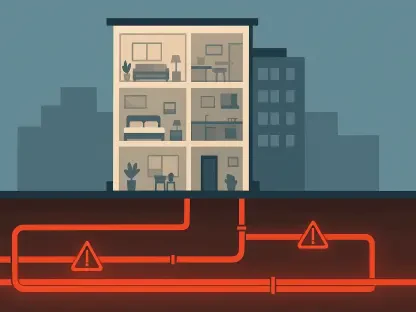
The legacy regulation known as 7 CFR Part 1924 was established during an era when local building codes were often inconsistent or entirely absent in many rural jurisdictions. While these federal rules provided a necessary baseline for safety and quality at the time, the landscape of American construction has changed significantly over the last several decades. Today, most municipalities and states have adopted comprehensive building standards that meet or exceed the old federal requirements. Consequently, developers seeking USDA financing often find themselves trapped in a redundant inspection cycle, where they must satisfy both local officials and federal overseers for the exact same structural components. This duplication of effort does not necessarily result in safer homes, but it almost certainly results in increased costs and slower project timelines. By removing these overlapping federal layers, the agency allows developers to focus on a single, clear set of guidelines, which fosters a more predictable and efficient building environment.
Beyond the logistical challenges of dual inspections, the administrative hurdles found in the aging regulations carry significant hidden costs that are particularly damaging in rural markets. In these areas, development margins are frequently razor-thin, and any delay can jeopardize the financial viability of a new subdivision or single-family home. By streamlining the development process, the USDA intends to lower the interest expenses associated with construction loans, as shorter project durations mean fewer monthly payments for builders. Furthermore, reducing the labor hours dedicated to navigating federal paperwork allows contractors to allocate their resources more effectively toward actual construction activities. This increase in operational efficiency makes rural development far more attractive to skilled contractors who might otherwise focus their business on suburban or urban markets where the regulatory path is traditionally more straightforward and less prone to bureaucratic stagnation.
Preserving the Human Infrastructure of Agricultural Regions
There is a profound and inseparable connection between the availability of affordable housing and the long-term survival of American agriculture, especially for small, family-owned operations. For the next generation of farmers and the essential professionals who support them, such as large-animal veterinarians, agronomists, and diesel mechanics, the ability to find a suitable home is often the deciding factor in whether they remain in a rural area or relocate to a metropolitan center. Ensuring that housing is easier to finance and build is not merely a matter of real estate policy; it is a strategic move to preserve the human infrastructure necessary for a functioning and resilient rural economy. When a rural community lacks adequate housing, it struggles to attract the talent required to maintain its primary industries, leading to a slow decline in both population and economic output. Modernizing these regulations ensures that the residential market can finally keep pace with the needs of the modern agricultural workforce.
The sheer scale of the involvement of the federal government in the housing market underscores why these procedural updates are so impactful for the local workforce. Historical data reveals that single-family housing has accounted for approximately 55% of all USDA Rural Development funding since the early 2000s, making it the most significant investment category for the agency. Because the USDA serves as a dominant player in providing mortgage guarantees for rural residents, even minor adjustments to its regulatory framework can create a massive ripple effect throughout the entire ecosystem. These changes benefit local banks by simplifying the lending process, empower contractors to take on more ambitious projects, and ultimately provide residents with more diverse housing options. By aligning federal policy with the realities of the current housing demand, the agency is reinforcing the foundation of rural life, ensuring that those who work the land have a stable and modern place to call home.
Modernizing Financial Models and Infrastructure Standards
As part of the broader Rural Housing Modernization Initiative, the department is also piloting programs that empower private lenders to take more responsibility for the loan closing process. This shift toward a lender-led model significantly reduces direct federal involvement in the final, often most sensitive stages of a real estate transaction. By delegating these responsibilities to the financial institutions that are already working closely with the borrowers, the agency allows for much faster processing and closing times. This evolution enables the USDA to act more like a modern financial institution rather than a traditional government bureaucracy. While the agency maintains its commitment to strict underwriting standards to protect taxpayer interests, it is successfully removing the specific bottlenecks that have historically frustrated families and lenders alike. This approach not only speeds up the delivery of capital but also builds stronger partnerships with the private sector.
Furthermore, the modernization effort acknowledges the unique needs of the rural lifestyle market, where homeowners often seek larger parcels of land for livestock, gardens, and personal privacy. Traditional federal construction specifications have often struggled to account for localized infrastructure solutions that are common in rural settings, such as private wells, advanced septic systems, and private access roads. By removing outdated federal requirements that frequently conflict with these specific rural needs, the USDA is making it significantly easier for individuals to pursue their goals without being bogged down by obsolete paperwork that fails to reflect 21st-century living. This shift recognizes that rural infrastructure requires a different set of standards than urban development. By providing a regulatory environment that is sensitive to these differences, the government is facilitating a more natural and sustainable growth pattern for communities that rely on decentralized utility systems.
Implementing Long-Term Solutions for Housing Stability
The transition toward a more modern regulatory framework has provided a clearer path for sustainable growth within the rural housing sector. By moving away from the rigid mandates of the late 20th century, the agency successfully fostered an environment where local innovation could flourish. This change was not just about removing rules, but about trusting the maturity of the modern construction industry and the competence of local governing bodies. Small-scale developers, who were previously intimidated by the complexity of federal requirements, found themselves able to compete more effectively. This led to a more diverse array of housing starts, ranging from high-efficiency modular homes to traditional site-built residences. The professionalization of the rural banking sector also played a key role, as lenders utilized the new authorities to offer more competitive products to a wider range of borrowers, which stabilized the local housing market against broader economic fluctuations.
In reflecting on these advancements, it is evident that the modernization of housing regulations served as a catalyst for broader economic revitalization. The actionable steps taken by the agency to align with local codes and empower private lenders provided a blueprint for how other federal departments could reduce administrative overhead. Communities that once faced housing shortages saw a marked increase in available inventory, which in turn supported the retention of the essential agricultural workforce. Moving forward, the focus remained on monitoring the impact of these changes to ensure that property integrity was maintained without reverting to the slow processes of the past. The collaborative effort between federal, state, and local entities proved that regulatory efficiency and safety were not mutually exclusive goals. By prioritizing flexibility and local expertise, the initiative created a more resilient and accessible housing market that finally met the demands of modern rural America.