
Demolition projects in Cefndre are streamlining urban renewal efforts by removing redundant garage structures to make way for future community space improvements. This movement represents a vital part of a comprehensive planning surge observed by the Wrexham Council during the active window of July 20 to July 24, 2026. As the region continues to experience significant economic and social shifts, the local council has focused on maintaining a delicate balance between modern industrial requirements and the preservation of the area’s distinct historical identity. The transition of numerous projects from the approval of initial concepts to the discharge of specific planning conditions indicates that the local government is prioritizing the granular details of development. This administrative shift ensures that every new structure or modification meets the high expectations of the community regarding aesthetics, environmental impact, and long-term utility, thereby fostering a robust environment for both private investment and public well-being across the county.
Commercial Growth and Sustainable Infrastructure
Solar Energy: Advancing Green Tech at Yale Business Village
The push for corporate environmental responsibility has reached a new milestone with the successful approval of a significant solar energy installation at the Yale Business Village. This initiative allows local enterprises to integrate advanced photovoltaic technology into their existing operations, directly addressing the need for reduced carbon footprints and managed energy costs in a competitive market. By granting permission for these renewable systems, the council is signaling that the transition to green energy is not merely an optional upgrade but a fundamental component of the regional economic strategy. The installation serves as a practical model for other business hubs, demonstrating how renewable infrastructure can be seamlessly integrated into high-traffic commercial zones without disrupting daily operations. This focus on sustainable energy production is expected to attract forward-thinking investors who prioritize environmental, social, and governance standards, further solidifying Wrexham’s reputation as a progressive center for modern business and technological innovation.
Industrial Expansion: Protecting Historical Substructures at Oak Road
Development at the Wrexham Industrial Estate continues to drive the regional economy, yet the council remains vigilant regarding the preservation of the area’s hidden historical assets. A recent decision involving industrial expansion at Oak Road highlights this balanced approach through a split decision regarding archaeological conditions. While the primary construction was allowed to proceed, the council mandated a rigorous “Written Scheme of Investigation” to ensure that any subterranean heritage is documented and protected before significant excavation occurs. This requirement emphasizes that industrial progress must not come at the cost of the region’s rich archaeological record. By enforcing these standards, the planning department ensures that developers account for potential historical discoveries early in the construction phase, preventing delays and fostering a culture of respect for the past. This methodical oversight provides a stable framework for large-scale industrial projects, ensuring that they contribute to the future without erasing the historical context of the land they occupy.
Community Evolution and Residential Modernization
Housing Evolution: Repurposing Heritage and Rural Structures
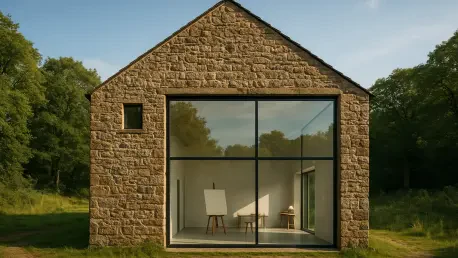
The residential landscape is currently characterized by a notable shift toward property reinvestment and the creative repurposing of existing structures rather than new construction. In Marchwiel and Bwlchgwyn, the approval of several large-scale property extensions reflects a growing trend among homeowners to adapt their current residences to meet evolving family needs and modern lifestyle standards. A particularly distinctive project involves the conversion of historic stables at Cedar Hall in Gresford into a professional art studio, illustrating how the council supports the creative economy while preserving the architectural integrity of traditional outbuildings. These decisions allow for the modernization of local housing stock while maintaining the aesthetic charm of established neighborhoods. By facilitating the adaptive reuse of rural and heritage buildings, the planning board is helping to maintain the unique character of the Wrexham countryside. This strategy not only preserves the visual history of the region but also provides residents with functional, modern spaces that reflect their individual professional and personal aspirations.
Public Amenities: Enhancing Stadium Safety and Digital Connectivity
Investments in public infrastructure and community assets remain a priority, as evidenced by the technical updates currently being finalized for the Racecourse stadium. Recent administrative decisions have focused on the discharge of environmental safety conditions, ensuring that one of the region’s most iconic landmarks can continue to host large-scale events in a secure and modern environment. Similarly, the education sector is benefiting from a focus on ecological maintenance, with Darland School undergoing consultations for “avoidance measures” designed to protect local biodiversity during ongoing site improvements. These efforts are complemented by the expansion of digital infrastructure, particularly in topographically challenging areas like Froncysyllte. The approval of telecommunications upgrades in these locations is set to enhance high-speed connectivity, ensuring that all residents can participate in the digital economy. These coordinated improvements to sports, education, and communication facilities demonstrate a holistic approach to community development that prioritizes safety, environmental health, and technological accessibility for all.
Environmental Stewardship and Regulatory Compliance
Urban Ecosystems: Managing Protected Trees and Biodiversity
Environmental management is a core pillar of the current planning agenda, with the council recently granting permissions for essential maintenance on trees protected by preservation orders in Pandy and along Grosvenor Road. These approvals reflect a collaborative effort between the local government and property owners to manage the urban canopy responsibly, ensuring that older trees remain healthy and safe for the public. By requiring professional arboricultural methods for all maintenance work, the council is protecting the aesthetic and ecological value of the region’s green spaces. This meticulous oversight extends to broader biodiversity concerns, where developers are increasingly required to provide detailed landscaping plans that prioritize native species and habitat connectivity. Such measures ensure that as the urban environment expands, the local ecosystem remains resilient and capable of supporting a diverse range of flora and fauna. This commitment to urban forestry and ecological health helps to mitigate the effects of urban heat islands and improves the general air quality and mental well-being of the surrounding community.
Procedural Excellence: Finalizing Recent Planning Decisions
The council concluded its latest session by validating several non-material amendments and discharging critical planning conditions that were necessary for the finalization of numerous local projects. This meticulous attention to detail in Johnstown and Rhosllanerchrugog ensured that minor modifications to building designs, such as window placements and material finishes, complied with the original architectural vision while meeting practical construction requirements. These administrative actions established a clear and predictable pathway for developers, reducing the likelihood of future disputes and ensuring that the final structures met all safety and environmental standards. Property owners and professional developers should now prioritize early engagement with the planning department to navigate these granular technical requirements more effectively. By finalizing these decisions, the council provided the necessary legal and administrative certainty to keep local construction projects moving forward on schedule. This rigorous adherence to procedural standards during the July session reinforced the region’s commitment to high-quality development, ensuring that Wrexham remained a reliable environment for sustainable growth and long-term community investment.