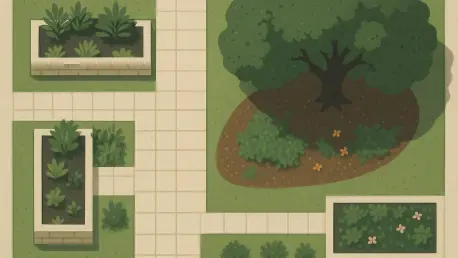

The first major structural overhaul of Sheffield Park since 1954 marks a significant departure from traditional preservation toward active, climate-adaptive landscape management. Situated in the heart of East Sussex, this iconic estate has long been celebrated for its vibrant displays and historical depth, yet the increasing frequency of extreme weather events has threatened its long-term viability. By introducing the Garden for the Future, the management team has transitioned from a reactive maintenance model to a proactive, experimental strategy designed to safeguard horticultural heritage. Designed by Joe Perkins and opened in 2025, this initiative serves as a vital response to the visible decline in the health of veteran tree collections and traditional border plantings. It acknowledges that the static preservation of the past is no longer a viable option in an era characterized by intense temperature fluctuations and unpredictable precipitation patterns, requiring a bold rethink of garden design.
Bridging Historical Innovation: Modern Resilience Through Design
This modern initiative draws direct inspiration from the site’s history of horticultural daring, particularly the legacy of former owner Arthur Gilstrap Soames. A century ago, Soames broke traditional gardening norms by introducing exotic species and experimental layouts that challenged the aesthetic standards of his time. While Soames sought botanical novelty for its own sake, the current team—led by site manager Pippa Reece and head gardener Jodie Hilton—pursues experimentation out of environmental necessity rather than mere curiosity. By integrating drought-tolerant, non-native plants into the historic fabric of the park, the project maintains the estate’s legacy of innovation while shifting the focus toward long-term ecological survival. This blend of the old and the new ensures that the spirit of the landscape remains intact, even as the specific species composition evolves to meet the challenges of the present.
To combat the stressors of erratic rainfall and temperature spikes, the project prioritizes succession planting and advanced soil management. Instead of using traditional nutrient-rich topsoil, which can retain too much moisture during wet winters and bake dry in the summer, the garden utilizes a specialized growing medium of crushed brick and sand. This provides the sharp drainage required by hardy, climate-resistant species that thrive in leaner environments. The infrastructure mirrors this commitment to sustainability; the paths are designed to be fully permeable to manage water runoff effectively, and the boardwalks are constructed from reclaimed marine timber that offers superior longevity. Even the seating, made from charred Sequoia, reflects a design philosophy that values durability and low-impact materials. This meticulously engineered environment creates diverse micro-climates, using stone banks as windbreaks and heat traps to support a wide range of resilient flora.
Integrating Ancient Roots: Community Engagement and Biological Care
A significant challenge of the project involved integrating new features without endangering the landscape’s existing veteran residents, such as a 300-year-old oak tree. To protect the oak’s sensitive and extensive root system, the team avoided traditional mulching techniques that could lead to soil compaction and reduced oxygen levels. Instead, they implemented a living mulch using low-impact ground cover like Mahonia Soft Caress. This biological solution provides essential soil protection and moisture retention while allowing the ancient tree to coexist with the modern garden, demonstrating that heritage and innovation are not mutually exclusive. The project also turned logistical hurdles, such as plant delivery delays, into opportunities for biodiversity support. By sowing temporary wildflowers to maintain the soil and provide immediate habitats for local pollinators, the team fostered a sense of shared ownership among the public through the installation of over 5,000 new plants.
Beyond its aesthetic and local value, the Garden for the Future served as a vital hub for scientific research in partnership with Kew Gardens and Royal Holloway University. The National Trust monitored how these new botanical selections, such as the late-winter flowering Sophora microphylla, interacted with local wildlife and shifting weather patterns. This data-driven approach elevated the garden to a national pilot program, providing insights that informed adaptive planting strategies across the Trust’s entire portfolio of properties. Landscape managers viewed these findings as a blueprint for diversifying plant palettes and prioritizing soil health over traditional aesthetics. The project proved that adapting to climate change did not mean abandoning history; rather, it meant evolving to preserve the essence of these historic landscapes. For other heritage sites, the next step involved implementing similar small-scale trials that successfully tested regional resilience in a warming world.