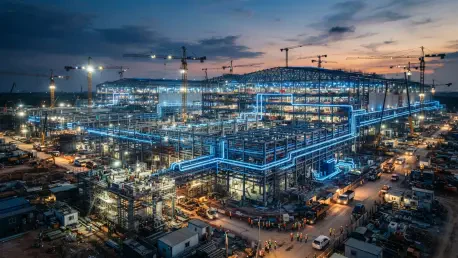

Strategic supply-chain diversification is fueling a massive wave of construction for robotics and microelectronics plants focused on ensuring domestic industrial self-sufficiency. This movement represents more than just a localized building boom; it signifies a structural realignment of how industrial assets are conceived and executed. As the industry moves toward 2027, the traditional boundaries that once separated mission-critical data centers from advanced manufacturing facilities are rapidly dissolving. Developers and contractors now find themselves navigating a landscape where the technical specifications for a high-density computing hub almost perfectly mirror those required for a semiconductor fabrication plant. Both sectors demand specialized electrical grids, intensive cooling mechanisms, and environments that can support precision-engineered hardware. This synergy is forcing a shift in construction project delivery, prioritizing integrated designs that can accommodate the extreme power and cooling requirements inherent to modern digital infrastructure.
Catalysts for High-Tech Infrastructure Growth
The explosion of artificial intelligence serves as the primary engine driving this unprecedented market evolution. Unlike the standard cloud processing units of the past few years, AI workloads require a drastic increase in electrical capacity to power the complex chips necessary for generative models and large-scale data analysis. This demand has pushed the design of data centers away from standard hyperscale models toward massive gigawatt-scale campuses. Managing the thermal output of these high-density racks has become a major engineering challenge, necessitating a move from traditional air cooling to advanced liquid-to-chip systems. These technological requirements are not just limited to remote hubs; a secondary market for smaller inference facilities is emerging near metropolitan areas to minimize latency for end-users. This evolution ensures that the physical infrastructure can keep pace with the software side of the AI revolution, creating a resilient foundation for the next stage of global digital transformation.
Simultaneously, the manufacturing sector is undergoing a parallel transformation driven by federal legislative incentives and a renewed focus on national security. The construction of semiconductor fabrication plants, or “fabs,” has become a cornerstone of this movement, with projects reaching scales that were previously unthinkable. This momentum is not confined to microchips alone; the aerospace and defense industries are also investing heavily in new assembly facilities that require secure, precision-controlled environments. These facilities must integrate complex digital systems and autonomous robotics directly into their physical architecture, blurring the line between a factory and a data center. The shift toward specialized environments like Sensitive Compartmented Information Facilities highlights the increasing need for high-security, technically sophisticated spaces. As 2027 approaches, the demand for these “smart” factories continues to outpace the existing inventory, driving a massive wave of new development that prioritizes technological agility.
Strategic Shifts in Site Selection and Delivery
As power availability overtakes land cost as the most critical factor in site selection, the geographical map of industrial construction is being fundamentally redrawn. Traditional hubs such as Northern Virginia and Phoenix are facing severe grid constraints, leading developers to seek out secondary markets in the Midwest and the South. States like Ohio, Indiana, and Wyoming have become the new frontier for high-tech infrastructure, offering the electrical capacity necessary to support massive loads. Beyond new greenfield developments, there is a significant push toward retrofitting older assets. Facilities that were once standard warehouses or older data centers are being overhauled with enhanced electrical arrays and modern cooling systems to house AI hardware. This trend allows operators to maximize their existing footprints without the delays associated with new land acquisition. By leveraging these secondary markets and existing structures, the industry is finding creative ways to bypass the bottlenecks that threaten to slow down the expansion of the nation’s digital capabilities.
To combat the persistent shortage of specialized labor and the pressure of aggressive timelines, offsite prefabrication has evolved from an experimental approach into a core industry requirement. Modern contractors are now utilizing extensive manufacturing spaces to build modular electrical rooms, mechanical skids, and complete utility plants before they ever reach the job site. This methodology allows for simultaneous progress, where site preparation occurs while critical infrastructure components are being precision-assembled in a controlled factory environment. This approach significantly reduces the path to commissioning and minimizes the risks associated with onsite weather delays or local labor scarcity. Prefabrication ensures a level of quality control that is difficult to achieve in the field, which is essential for the sensitive mechanical and electrical systems required by both data centers and advanced manufacturing plants. As the complexity of these projects increases, the ability to deliver modular, scalable solutions has become a defining characteristic of the most successful construction firms.
Strategic Integration and Future Planning Priorities
The successful convergence of these two sectors established a new blueprint for industrial project delivery that prioritized technical precision and early collaboration. Stakeholders who involved contractors during the initial design phases secured the long-lead equipment necessary to avoid the supply chain disruptions that plagued less integrated projects. This proactive strategy allowed for the seamless integration of massive electrical loads and advanced thermal management technologies, ensuring that facilities remained functional under the intense demands of the next generation of computing. The shift toward a unified infrastructure model provided the flexibility needed to adapt to changing market requirements without requiring complete structural overhauls. Lessons learned from these large-scale deployments highlighted the importance of viewing power and cooling as foundational elements rather than secondary utilities. Ultimately, the industry moved toward a more holistic approach where the synergy between digital processing and physical manufacturing became the primary catalyst for sustainable economic growth and technological leadership.