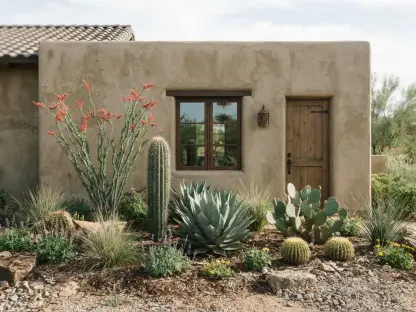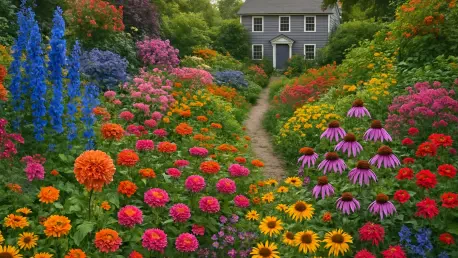

The transition from muted, whisper-soft palettes to jewel-toned drama marks a strategic shift in how designers approach color within high-exposure outdoor environments. For several years, the prevailing aesthetic in landscape design was defined by restraint, intentionality, and a focus on negative space. This minimalist movement—characterized by vast expanses of gravel, a handful of sculptural grasses, and perhaps a single, iconic olive tree—prioritized clean lines and a “less is more” philosophy. However, as the industry moves through the late 2020s, a significant cultural and aesthetic shift is underway. The pendulum of taste is swinging away from the austere and toward the exuberant. The emerging trend, frequently referred to as “Garden Maximalism,” celebrates abundance, personality, and sensory richness. This transition reflects a broader societal desire for outdoor spaces that feel deeply personal, romantic, and immersive, rather than prescribed or overly curated.
Transforming Aesthetics Through Color and Depth
The move toward maximalism represents a fundamental reorganization of how people interact with their immediate natural surroundings. Rather than viewing the backyard as a static gallery where every element must remain in its designated place, the new philosophy embraces the garden as a living, evolving collection. This change is not merely about increasing the quantity of plants; it is about the quality of the experience. By moving away from the “finished” garden look, homeowners are finding joy in the density of planting and the layers of visual interest that define a maximalist approach. This evolution is particularly evident in the way color is used to define space. Where minimalism sought to blend into the background with neutral tones, maximalism uses vibrant, saturated hues to demand attention and create emotional impact. This shift is supported by market trends that show a surging interest in “collectible” plants and high-density schemes.
The Standard: Saturated Jewel Tones and Contrast
The aesthetic shift begins with a departure from the “whisper-soft” palettes of the previous decade. Designers are now utilizing “Jewel-Tone Drama” to create visual impact that stands up to the intense sunlight often found in the American West. Deep burgundy, electric magenta, and emerald green have become the new standards for high-visibility borders and focal points. When soft, pale colors are used in high-exposure areas, they often appear washed out or faded; however, saturated tones retain their vibrancy even under the midday sun. By strategically pairing bold plants like dark-leaved Heuchera or purple Salvias with silver-toned foliage, gardeners can achieve a high-contrast look that feels both intentional and vibrant. This method ensures that the landscape remains visually stimulating throughout the day, providing a level of depth and richness that minimalist palettes simply cannot match.
The Strategy: Creating Three-Dimensional Architectural Layers
Central to the lush feel of a maximalist garden is the concept of spatial layering, which builds depth through three distinct tiers. Rather than treating the landscape as a flat plane, this strategy involves thinking in three dimensions to maximize visual density. It starts with the “bones” of the garden—shrubs and small trees that provide year-round structure and permanent architectural presence. These are supplemented by mid-height perennials that offer movement, texture, and seasonal color transitions. Finally, the lowest tier consists of ground covers and low-growing specimens that soften hard edges and eliminate bare soil entirely. This three-dimensional approach is particularly effective in smaller residential yards, as the variety in form and height creates a sense of abundance that makes the space feel much larger than its actual footprint. By filling every vertical and horizontal niche, the garden becomes an immersive environment.
Integrating Functionality and Natural Texture
Modern landscape strategies are increasingly focused on the intersection of utility and beauty, moving beyond the idea that a garden should only be ornamental. This practical evolution is a key component of the maximalist trend, where every square foot is optimized for both visual appeal and tangible benefit. The rigid boundaries that once separated the vegetable patch from the floral border have largely dissolved, giving way to a more integrated and holistic way of gardening. This approach not only makes the most of limited space but also reflects a shift toward more self-sufficient and ecologically aware living. As gardens become denser, the variety of textures and forms increases, creating a more resilient ecosystem that can better withstand local climate variations. This integration is not just about aesthetics; it is about creating a functional landscape that serves the needs of the household while remaining stunning.
The Hybrid: Mixing Edible Varieties and Ornamentals
The “unexpected mix” is a hallmark of the new maximalism, involving the interplanting of functional edibles directly among ornamental species. This hybrid approach maximizes productivity without sacrificing the romantic look of a lush garden. For example, planting rainbow chard beneath flowering perennials or allowing rosemary to cascade over stone walls creates a textured, multi-functional landscape. By integrating food-producing plants into the general garden design, homeowners can enjoy a visual sanctuary that also provides a fresh resource for the kitchen. This practice enhances biodiversity by attracting a wider range of beneficial insects and pollinators, which are essential for a healthy garden ecosystem. This functional layering ensures that the garden is not just a place to look at, but a place to engage with daily. It represents a more sophisticated understanding of the landscape as a productive and life-supporting entity.
The Foundation: Prioritizing Native Foliage and Textures
While colorful blooms often capture initial attention, the true foundation of garden depth lies in the variety of foliage. In regional designs across the West, there is a growing emphasis on native plants for their unique textures and inherent climate resilience. From the silvery hues of sagebrush to the glossy, deep-green leaves of Catalina perfume, these species provide year-round interest long after the primary flowering season has ended. Utilizing native varieties like California fuchsia allows for a lush, maximalist aesthetic that remains ecologically responsible and perfectly suited to the local microclimate. Foliage provides the structural backdrop that allows saturated jewel tones to pop, ensuring that the garden remains attractive in every season. This focus on native texture ensures that the maximalist look is grounded in the local environment, creating a sense of place that feels both authentic and sustainable for the long term.
Cultivating a Philosophy of Beautiful Chaos
The move toward maximalism culminated in a reimagined version of romanticism, blending the abundance of an English cottage style with the rugged requirements of modern regional climates. This trend combines classic elements, such as roses and sculpted hedges, with winding paths and weathered ornaments to create a sense of history and “destination” within a private backyard. This approach offers a psychological sense of “permission,” encouraging a level of spontaneity where self-seeding flowers and mismatched pots are welcomed rather than corrected. It marks a departure from the static perfection of minimalist design toward a living, breathing entity that values experience over appearance. The “beautiful chaos” of a maximalist garden acknowledges that nature is dynamic and that a garden should evolve along with its owner. This philosophy prioritizes the joy of discovery, where every turn of a path reveals a new texture, a hidden bloom, or a productive edible.
To begin transitioning a landscape toward this more expressive aesthetic, one should focus on structural density before increasing the variety of species. It is important to evaluate the existing “bones” of the garden and identify areas where additional vertical layers can be added to fill visual gaps. Starting with a base of resilient native shrubs allows for the subsequent introduction of more delicate perennials and edibles without compromising the garden’s overall stability. Homeowners find that increasing the density of their planting schemes actually reduces the need for weeding and mulching over time, as the plants themselves provide natural ground cover. Moving forward, the key to a successful maximalist garden lies in maintaining a balance between abundance and health, ensuring that irrigation and soil nutrients are optimized for a more crowded environment. Embracing this shift allows for outdoor spaces that are not just scenery, but immersive reflections of personal taste and ecological vitality.