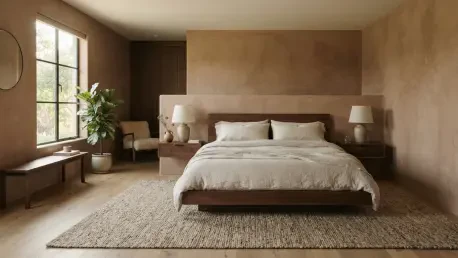

The use of breathable textiles like wool and hemp adds a grounded, rustic element to window treatments and flooring that complements the warmth of sienna and terracotta walls. This aesthetic direction signals a broader move away from the hyper-sleek, minimalist trends that previously dominated urban dwellings. As the design landscape progresses through 2026 and into 2027, the bedroom is shedding its purely functional identity to become a multidimensional sanctuary. This shift is driven by a collective desire for environments that mitigate the sensory overload of a digital-first existence. Instead of looking for immediate, store-bought solutions, the focus has turned toward the slow accumulation of meaningful objects and the integration of soft, organic materials. This evolution prioritizes the emotional resonance of a space, ensuring that the most private room in the house serves as a reliable anchor for well-being. By blending architectural permanence with tactile comfort, the bedroom of the late 2020s fosters a sense of groundedness. It represents a deliberate departure from the culture of disposable furniture, encouraging a long-term investment in quality and character. The resulting atmosphere is one of sophisticated tranquility, where every element contributes to a cohesive narrative of rest and personal reflection.
Custom Craftsmanship: Redefining Luxury through Meticulous and Enduringly Permanent Detail
A significant movement for 2027 is the transition away from mass-produced furniture in favor of custom craftsmanship that feels integral to the house itself. Homeowners are increasingly willing to invest in custom pieces that serve as extensions of the home’s architecture, such as sculptural plaster reliefs or hand-finished cabinetry built directly into the walls. This trend is rooted in the broader wellness movement, where high-quality, artisan-made items provide a sense of permanence and individuality that generic catalogs cannot replicate. By treating the bedroom as a site for health and recuperation, the selection of materials becomes an intentional act of self-care. These one-of-a-kind investments ensure that the most private space in the house remains distinctive, reflecting the specific tastes and needs of the occupant rather than following a corporate template. The emphasis is on the uniqueness of the build, where the slight variations in hand-applied finishes or the specific grain of a custom wood panel provide a level of visual interest that keeps the eye engaged without being overwhelming.
This investment in craftsmanship extends to the very surfaces that define the room’s boundaries, as designers observe a rise in specialty finishes like tadelakt or hand-burnished clay, which offer a tactile depth that standard paint lacks. Such materials are chosen for their longevity and their ability to age gracefully, developing a patina that adds character over time. This architectural approach to the bedroom ensures that the room does not rely solely on decorative accessories to feel complete. Instead, the bones of the space—the custom molding, the artisan headboards, and the integrated lighting—create a foundation that feels luxurious even in its simplest form. This move toward “slow design” encourages a more thoughtful renovation process, where the focus remains on the quality of the materials and the skill of the makers. As 2027 approaches, the bedroom is becoming a showcase of personal values, where the commitment to durability and authentic artistry replaces the fleeting appeal of mass-market convenience and temporary style.
The Collected Aesthetic: Moving Beyond the Design Limitations of Matched Furniture Sets to Create a Curated Home
The era of identical bedroom sets has officially passed, making way for a collected look that intentionally mixes various styles, eras, and origins. This aesthetic involves pairing antique treasures with contemporary furniture to create a room that appears to have evolved naturally over decades. The success of this style hinges on the “evergreen test,” where every item must feel relevant and beautiful regardless of the current season or trend. By rejecting the showroom look, homeowners can integrate family heirlooms or vintage finds that tell a personal story. This curated approach prevents the space from feeling static or overly staged, allowing for a more dynamic and lived-in environment. The goal is to build a room that feels assembled with intention, where each object holds a memory or a specific purpose, contributing to a soulful and sophisticated atmosphere. This shift reflects a growing maturity in interior design, where the focus is on the character of individual pieces rather than their ability to match a specific set of rules or a predefined catalog.
To prevent a mix of disparate items from feeling cluttered or chaotic, professionals suggest using versatile, soft wall colors as a stabilizing backdrop. Earthy neutrals, muted rose tones, or soft plaster pinks provide a quiet foundation that allows a variety of textures and periods to coexist harmoniously. Within this framework, a mid-century modern chair can sit comfortably alongside a Victorian-era chest of drawers, provided they are tied together by a consistent color story or a shared material quality. This method of design requires a more discerning eye and a willingness to experiment, but the result is a bedroom that feels entirely unique to its owner. The collected aesthetic also promotes sustainability by encouraging the reuse of high-quality vintage items instead of the constant purchase of new, lower-quality goods. As the progress from 2026 continues, this movement toward the curated home ensures that bedrooms remain timeless, resisting the urge to follow the rapid cycles of trend-driven consumption that often lead to a room feeling dated within a few years.
Sensory Immersion: The Role of Organic and Soulful Textiles in Creating Meaningful and Sustainable Environments
In the coming years, the tactile experience of a bedroom will be just as vital as its visual appeal, shifting the focus toward the sensory connection between the occupant and the environment. This focus on soulful materials is heavily influenced by the Japanese philosophy of wabi-sabi, which finds beauty in the natural aging process and minor imperfections. Fabrics such as breathable linen, nubby wool, and rustic jute are prioritized for their ability to ground the space and provide a tangible link to the natural world. These materials are selected not just for their appearance but for how they feel against the skin and how they sound when moved. The inclusion of these organic fibers helps regulate the temperature and air quality of the room, contributing to a better night’s sleep while also providing a visually rich texture. By moving away from synthetic, high-gloss surfaces and toward matte finishes like plaster and weathered wood, the bedroom becomes a soft, low-stimulation environment that is perfect for deep relaxation and mental recovery.
Layering these textiles is key to creating an enveloping environment that feels like a warm embrace rather than just a furnished room. Combining Indian block-printed quilts with heavy Belgian linen sheets or textured wool rugs adds depth and a sense of history to the sleeping quarters. This approach creates a “cocoon” of comfort where the different weaves and weights of the fabrics interact to create a complex, sensory-rich space. The focus on tactile diversity allows the room to feel cozy without needing an abundance of color or decorative objects. In 2027, the trend is moving toward the “total sensory bedroom,” where even the sound-dampening qualities of heavy drapes and upholstered headboards are considered essential design elements. This attention to detail ensures that every interaction within the room—from walking barefoot on a jute rug to resting against a linen pillow—is a source of comfort. The resulting design is one that prioritizes the well-being of the individual, creating a physical refuge that supports the body and mind in equal measure.
Earth-Based Pigments: Creating Visual Security through Color Drenching
The clinical whites and cool grays that dominated the early parts of the decade are being replaced by a palette of rich earth pigments that bring a sense of history and warmth. Shades of rust, burnt umber, terracotta, and soft plaster pink are taking center stage because they inherently provide a sense of security and biological comfort. These colors make the bedroom feel more inviting, transforming it into a cozy container that shields the occupant from the outside world. This move toward warmer tones is a response to the perceived coldness of modern technology, offering a visual antidote to the blue light of screens and the starkness of digital interfaces. These pigments are often derived from natural sources, lending the room an organic quality that feels grounded and permanent. When these colors are used, the space immediately feels more intimate, as if the walls themselves are offering a quiet, protective hug. This palette is especially effective in bedrooms, where the primary goal is to create a transition from the activity of the day to the stillness of the night.
A specific technique gaining significant momentum for 2027 is color drenching, where a single saturated hue is applied to the walls, trim, and even the ceiling. This approach blurs the physical boundaries of the room, creating a seamless, cocoon-like effect that is incredibly soothing to the eye. By eliminating the contrast between different surfaces, color drenching makes the room feel unified and intentional, often making smaller spaces feel larger and more cohesive. Even for those hesitant to commit to a full-room color change, introducing these warm tones through smaller accents like velvet throws or upholstered headboards can significantly boost the room’s comfort level. The psychological impact of these colors cannot be overstated; they are designed to lower the heart rate and promote a sense of calm. As design continues to evolve from 2026 into the future, the use of monochromatic, earth-toned schemes is becoming a hallmark of the sophisticated, health-conscious bedroom. This technique allows the architecture of the room to shine while providing a consistent, peaceful visual environment that supports restorative sleep.
Material Resurgence: The Enduring Appeal of Dark Woods with Distinctive Character and Texture
While light oak and birch were the staples of early minimalism, the current trend is shifting back toward richer woods full of character that provide a sense of weight and heritage. Walnut, mahogany, and burl wood are becoming the preferred choices for bedroom furniture due to their deep grains and natural warmth. This return to darker woods reflects a desire for a cleaner lifestyle, as homeowners seek out solid, natural materials that are free from the synthetic toxins and glues often found in mass-produced, engineered products. The visual density of these woods adds a layer of quiet luxury to the room, making even a simple nightstand feel like a significant piece of art. These materials bring a necessary contrast to softer textiles and lighter wall colors, providing a grounded focal point that anchors the design. The natural variation in the wood, including knots and unique grain patterns, is celebrated rather than hidden, highlighting the organic origin of the piece and its connection to the environment.
The emphasis in 2027 is firmly on the hand of the maker, with a preference for matte sheens that showcase the natural texture of the wood rather than covering it in a thick, plastic-like gloss. Whether it is a vintage-inspired bobbin bed frame or a sleek walnut dresser, these pieces bring a sense of history and physical permanence to the room. The inclusion of these woods adds a sophisticated air that feels both traditional and contemporary, ensuring the furniture remains a staple for years to come. This resurgence of dark wood also ties into the collected aesthetic, as these pieces often have a timeless quality that allows them to bridge the gap between different design eras. By investing in solid wood furniture, homeowners are choosing pieces that can be refinished and repaired, further aligning with the values of sustainability and long-term quality. This shift marks a departure from the “disposable” furniture trend, moving instead toward an era where the bedroom is anchored by durable, beautiful materials that age with the home and its inhabitants.
Architectural Anchors: The Reinvention of the Sleeping Area
The bed remains the undisputed focal point of the room, but in 2027, it is being reimagined as a major architectural statement rather than just a piece of furniture. Designers are favoring pieces with a strong physical presence, such as four-poster frames and canopies that create a retreat within a retreat. These structures provide a sense of enclosure and height, making the sleeping area feel more protected and distinct from the rest of the room. This architectural approach to the bed helps define the purpose of the space, signaling that the primary function of the room is rest and restoration. The use of fabric canopies further enhances this effect, adding a layer of softness that dampens sound and creates a private, light-filtered environment. This trend is particularly popular in rooms with high ceilings, where the bed frame can serve as a vertical anchor that draws the eye upward and balances the proportions of the space.
Additionally, the nook bed or alcove is making a significant comeback, appealing to a primal human desire for shelter and safety. These enclosed sleeping spaces, often created through custom cabinetry or heavy drapery, offer a level of psychological security that open beds cannot match. Beyond their cozy appeal, these nooks are highly functional, often incorporating built-in storage, integrated reading lights, and even small shelving units within the alcove itself. This design is particularly effective for maximizing the efficiency of smaller or uniquely shaped rooms, turning an awkward corner into a highly curated and functional sleeping zone. The nook bed creates a sense of sanctuary that is entirely separate from the digital and social demands of the rest of the house. By treating the bed as an architectural destination, designers are helping residents disconnect more effectively, fostering an environment where sleep is prioritized as a sacred activity. This focus on the “cocooned” bed represents a significant shift in how the bedroom is structured, prioritizing mental health and comfort over traditional furniture layouts.
Multifunctional Integration: Bedrooms as Holistic Living Environments
Modern bedroom layouts are evolving to accommodate more than just sleep, reflecting a growing need for a private sanctuary that serves various needs throughout the day. Integrated reading nooks by windows, mini-libraries, and dedicated meditation spaces are becoming standard features in current trends in bedroom design. By adding a small seating area or an antique leather sofa, the bedroom is transformed into a versatile living space where one can decompress away from the rest of the household. This shift toward holistic wellness means that every corner of the room is utilized to support mindfulness and relaxation, moving the bedroom beyond its role as a nocturnal space. The inclusion of greenery, soft lighting, and comfortable seating encourages the occupant to slow down and engage in quiet activities like journaling, reading, or contemplation. This layout strategy ensures the bedroom is not just a place to end the day, but a functional refuge that supports mental health and personal growth at any hour.
This multifunctional approach requires a careful balance to ensure the room does not feel cluttered or overly active, which designers are achieving by creating zones within the room using area rugs or furniture placement to separate the sleeping area from the living or reading area. The goal is to maintain a sense of peace while providing the utility needed for a modern lifestyle. For example, a small writing desk might be tucked into a corner, allowing for personal reflection without the space feeling like a traditional office. This integration of living elements into the bedroom reflects a desire for more privacy and a break from the communal areas of the home, which are often dominated by shared media and noise. As 2027 nears, the bedroom is being redefined as a “home within a home,” a curated environment where the individual has total control over their surroundings. This holistic view of the space recognizes that the quality of one’s rest is deeply connected to the quality of waking hours spent in the same environment.
The Fifth Wall: Elevating the Ceiling as a Design Canvas
The final frontier of bedroom evolution is the fifth wall, or the ceiling, which is no longer being left as a standard, overlooked white surface. Designers are increasingly using the ceiling as a canvas to add an element of surprise and architectural interest to the room, completing the immersive experience. Whether through a complementary paint color, bold wallpaper, or decorative moldings, the ceiling is now considered a vital component of the overall atmosphere. Using color on the ceiling can completely change the perspective of the space, making a large room feel more intimate or a small room feel taller and more expansive. This focus on the ceiling ensures that the design is comprehensive, leaving no surface untouched in the pursuit of a perfectly curated environment. It creates a sense of “enveloping design” where the occupant feels completely surrounded by a cohesive aesthetic, which is particularly effective for fostering a sense of calm and focus.
Homeowners who sought to future-proof their environments prioritized the selection of evergreen items that resisted the degradation of seasonal style. The strategy involved investing in high-quality walnut or mahogany pieces that provided a sturdy foundation for revolving accessory palettes. To achieve the best results, it was recommended that residents begin by analyzing the architectural potential of their ceilings and nooks before committing to a specific color story. These steps ensured that the resulting space functioned as a versatile retreat. Designers suggested that the ultimate solution for a dated room lay in the removal of all matching sets in favor of pieces with unique histories. This transition allowed for a more dynamic relationship between the occupant and the environment, facilitating a deeper sense of belonging. The final insight gathered from this evolution was that a bedroom’s success depended on its ability to stimulate the senses while simultaneously calming the mind. Those who followed these guidelines created rooms that transitioned successfully from the current progress of 2026 into a more permanent era of sophisticated, personal design.