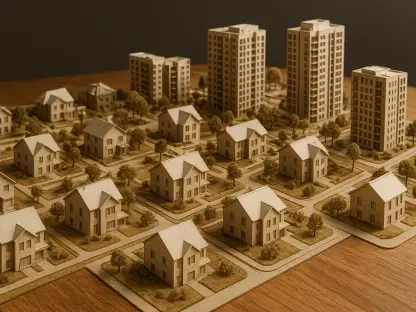

By prioritizing ancillary dwellings and flexible construction designs, intentional communities are creating housing solutions that can accommodate multi-generational families on sustainable lots. These modern developments represent a departure from the rigid zoning of the late 20th century,

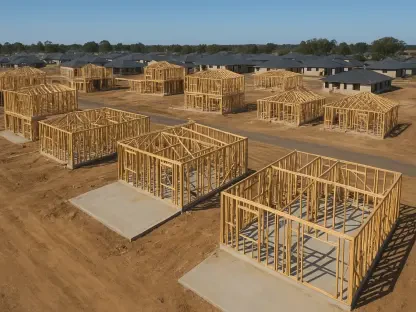
The current housing landscape is increasingly defined by the ability of local governments to implement proactive policies that encourage new residential development. This dynamic has propelled the American South into a dominant position, where the scale of construction activity significantly dwarfs

Expanding mortgage credit without addressing the heavy reliance on imported construction materials could inadvertently drive up housing costs and drain foreign reserves. The Ethiopian financial landscape is currently undergoing a radical transformation as the National Bank of Ethiopia, in
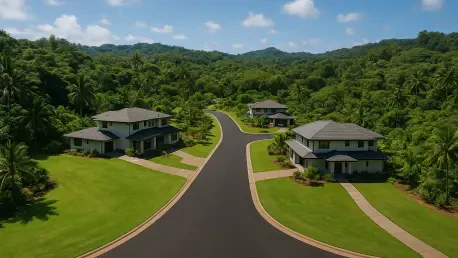
Large-scale residential developments consisting of twenty or more units would be required to provide a second county-standard access road to facilitate emergency evacuations. This proposed shift in the Kauaʻi County Building Code represents a significant pivot toward proactive disaster mitigation

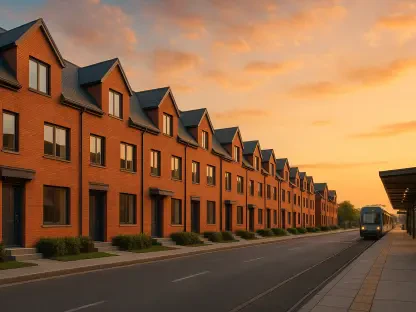
By redesigning mortgage products to accommodate the income realities of the informal sector, the FMBN is removing the prohibitive equity requirements that once blocked low-income earners. This transformation marks a departure from the institutional inertia of the past, signaling a new era where
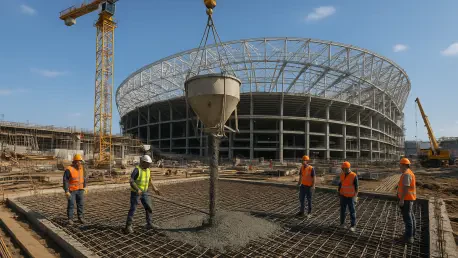
The Alassane Ouattara Stadium in Ivory Coast required 60,000 tons of high-performance cement specifically engineered to maintain structural integrity in extreme tropical humidity. This technical requirement highlights a broader trend where the construction of world-class athletic facilities is