
The City of Salem's role as a program administrator ensures that all CPACE financing applications meet specific criteria for energy efficiency and structural safety improvements. This initiative creates a robust bridge between private capital providers and property owners who manage commercial,
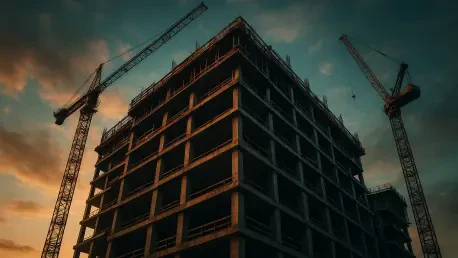
The physical condition of the Cebu City Medical Center has deteriorated to a point where current contractors refuse to accept liability for any further mechanical installations. This stalemate stems from structural assessments highlighting significant risks in the skeletal frame, which has been
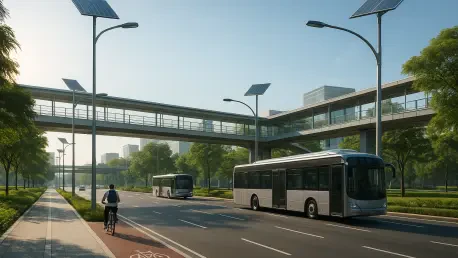
A dedicated Area-Based Development zone spanning 1,267 acres serves as the primary testing ground for intensive infrastructure modernizations including smart roads and pedestrian skywalks. This strategic initiative marks a pivotal shift for a city that has traditionally been defined by its heavy

Advanced field robotics are transitioning from theoretical evaluations to practical applications that meet the rigorous standards of outdoor utility-scale construction. As global energy markets pivot toward sustainable infrastructure at an unprecedented pace, the scale of solar farm development has
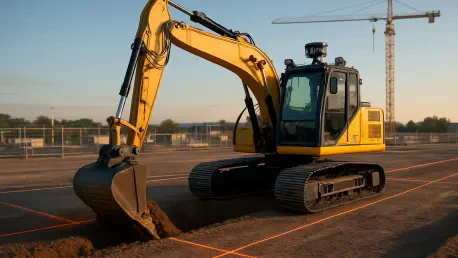
A single person requires five or more years of intensive training to master an excavator, creating a bottleneck that autonomous systems aim to eliminate. As the infrastructure demands of 2026 continue to surge across the United States, the construction industry faces a critical deficit of skilled
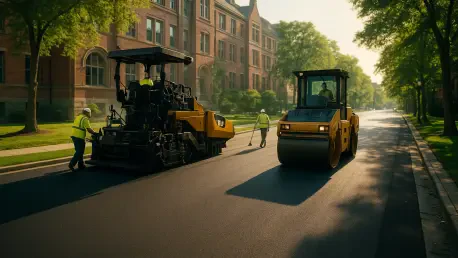
Proposed amendments would shift the focus of labor regulations toward building and facilities projects while exempting routine road maintenance and street paving activities. This legislative pivot arrives at a time when municipal leaders in State College are grappling with the unintended