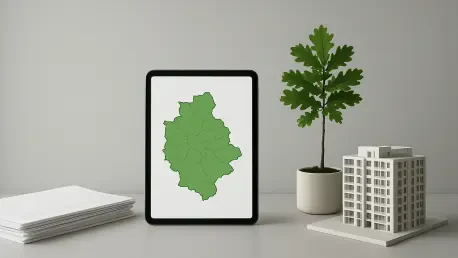

Nearly 1.1 million pounds has already been invested in a planning process that must now be recalibrated to meet strict year-end deadlines for the Planning Inspectorate. The Birmingham Local Plan, serving as the comprehensive developmental roadmap through 2044, recently underwent a seismic shift that redirected the city’s trajectory away from the rural periphery. For months, the debate over how to accommodate a growing population centered on whether to unlock the Green Belt, particularly in the Sutton Coldfield area. However, a significant reversal by the city council has prioritized urban regeneration over the consumption of undeveloped land. This strategic pivot marks a transition from expansive sprawl to a more focused, sustainable model of urban growth. By choosing to preserve natural boundaries, the council is signaling a long-term commitment to enhancing the existing urban fabric while protecting the ecological integrity of the West Midlands’ remaining rural landscapes.
Strategic Shifts: Catalysts for the Birmingham Policy Reversal
Civic Engagement: Public Resistance and Regulatory Changes
A powerful groundswell of local opposition served as the primary catalyst for this recent policy overhaul, as residents across the region voiced deep-seated concerns about the proposed loss of natural heritage. The original iteration of the plan identified 21 Green Belt sites for potential redesignation, which would have facilitated the construction of over 10,000 new homes. Sutton Coldfield was positioned at the epicenter of this expansion, with 17 of those sites located within its borders, representing a staggering 8,000 residential units. In response, a grassroots movement emerged, culminating in a petition signed by over 5,500 individuals who argued that such rapid, concentrated development would overwhelm local infrastructure and irrevocably alter the community’s character. This was not merely a localized protest but a sophisticated argument for the preservation of environmental health and the maintenance of essential public services that were already under significant strain.
Beyond the pressure from civic groups, the council’s ability to pivot was significantly enhanced by a series of transformative changes within the National Planning Policy Framework. The most critical of these adjustments was the removal of the mandatory 35 percent housing uplift previously required for major metropolitan areas. This shift effectively released Birmingham from the legal obligation to pursue aggressive, top-down housing targets that necessitated the sacrifice of Green Belt land. Furthermore, the expiration of the Duty to Co-operate provided the municipal government with greater autonomy to focus on its internal urban needs rather than being compelled to address the housing shortfalls of surrounding districts. Together, these regulatory shifts created the political and legal space necessary for the council to withdraw its more controversial proposals, allowing for a more localized and sensitive approach to urban planning that aligns with the specific desires of the electorate.
Urban Core: Implementing a Brownfield First Strategy
At the heart of the revised development strategy is a robust Brownfield First mandate, which explicitly directs all future investment toward the repurposing of abandoned or underutilized industrial sites within the urban core. This approach is designed to breathe new life into the city center by converting former manufacturing zones and neglected commercial areas into high-density residential and mixed-use communities. By focusing on these internal sites, the city aims to maximize the efficiency of existing transportation networks and utility infrastructure, reducing the need for costly and environmentally damaging extensions into the countryside. This strategic realignment is not just an environmental choice but an economic one, as it leverages the city’s industrial heritage to create modern, walkable neighborhoods that appeal to a younger, urban-focused workforce. The emphasis on regeneration ensures that the city’s growth is concentrated where it can provide the most significant social and economic benefits.
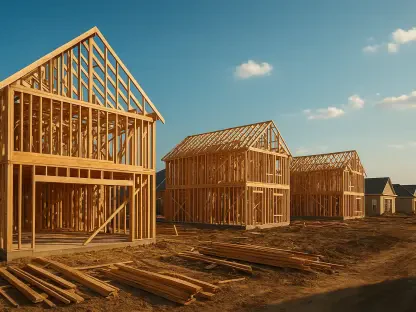
Implementing this brownfield strategy requires a firm stance against the prevailing preferences of the construction industry, which often favors Green Belt development due to lower site preparation costs. Building on undeveloped land is generally more straightforward for developers, as it avoids the complexities of environmental remediation and the demolition of existing structures. However, the Birmingham City Council has demonstrated a clear commitment to resisting this pressure, opting instead for a more complex but sustainable path of urban intensification. This move ensures that the Birmingham Local Plan remains consistent with broader climate goals by preventing the loss of carbon-sequestering natural spaces. By prioritizing inward growth, the city is forcing a higher standard of architectural innovation and land-use efficiency, ensuring that new developments contribute to the overall density and vitality of the metropolitan area rather than contributing to the ongoing problem of car-dependent suburban sprawl.
Sustainability Metrics: Environmental Protection and Economic Deadlines
Natural Assets: Safeguarding Ecological Sites and Infrastructure
The protection of Birmingham’s natural assets is further solidified in the revised plan through the formal designation of several key ecological sites. Areas such as Wheatmoor Wood and Lindridge Pool have been granted status as Sites of Importance for Nature Conservation, providing them with a vital layer of legal protection against future development. These designations are critical for safeguarding local biodiversity, as they preserve the interconnected networks of hedgerows, brooks, and ancient pastures that provide habitats for numerous species. By elevating the status of these landscapes, the council is creating a permanent barrier to the encroachment of industrial and residential projects, ensuring that Sutton Coldfield’s natural heritage remains intact for the long term. This focus on conservation acknowledges that the environmental value of these sites far outweighs the short-term gains of housing construction, particularly as the city seeks to enhance its resilience against the impacts of a changing climate.
A significant portion of the argument for reversing the Green Belt expansion was based on the realistic assessment of infrastructure capacity within the city’s outlying districts. Residents and planners alike feared that adding thousands of new homes to areas like Sutton Coldfield would lead to the total collapse of local road networks, schools, and healthcare facilities. Existing large-scale projects already placed considerable demands on the region’s resources, and the addition of 17 further sites was seen as a breaking point. By shifting the focus back to the urban core, the council is attempting to align housing growth with the areas most capable of supporting high-density living. This approach allows for a more incremental and manageable expansion of services, ensuring that the quality of life for current residents is not sacrificed in the pursuit of housing targets. The focus on urban density encourages the use of public transit, further reducing the strain on the city’s overburdened highway systems.
Future Roadmap: Strategic Pathways for Urban Resilience
The urgency of codifying these planning changes is underscored by a looming deadline set by the Planning Inspectorate, which requires the finalized plan to be submitted by the end of the year. Failure to meet this strict cut-off would have catastrophic financial implications, as the city would be forced to restart the entire process under a new and potentially more restrictive planning regime. Having already invested over one million pounds into the current framework, the council cannot afford the delays or the additional costs associated with a total reset. This pressure has created a high-stakes environment where planners must work rapidly to ensure that the brownfield policy is legally airtight and ready for inspection. Meeting this deadline is not just a bureaucratic necessity but a critical step in securing the city’s economic future, as it provides the certainty that developers and investors need to move forward with projects within the newly designated urban regeneration zones.
The decision to abandon Green Belt expansion in favor of a more localized urban strategy established a definitive precedent for metropolitan growth in the region. By successfully navigating the complexities of public resistance and regulatory shifts, the municipal authorities demonstrated a clear preference for sustainability over convenience. The focus on brownfield sites revitalized neglected districts and reinforced the importance of maintaining ecological buffers around the urban perimeter. These actions ensured that the unique character of Sutton Coldfield was preserved while simultaneously driving innovation in high-density residential design. As the final revisions were submitted to the Planning Inspectorate, the city positioned itself as a leader in responsible development, balancing the need for housing with the imperative of environmental stewardship. The recalibration of the Birmingham Local Plan ultimately proved that a city could grow effectively by looking inward, setting a resilient foundation for the decades of transformation that followed.