
Sarasota has transformed from a quiet coastal enclave primarily associated with retirement into the nation’s most competitive hub for young professionals seeking long-term property investments. The recent surge in millennial homeownership within the region suggests a profound shift in demographic priorities, where the balance between professional opportunity and quality of life has finally aligned for a generation once priced out of major urban centers. Data from the current 2026 fiscal cycle indicates that this Florida city outperformed metropolitan giants like Austin and Denver in terms of new home registrations by residents aged twenty-six to forty-five. This trend is not merely a statistical anomaly but reflects a calculated migration toward markets that offer high-speed digital infrastructure alongside traditional environmental amenities. As these new homeowners settle into the Gulf Coast, the local economy is adapting to meet the demands of a tech-savvy and highly mobile workforce that prioritizes space and stability over the transient nature of high-density metropolitan rentals.
Shifting Priorities: The Drivers of Regional Migration
The primary catalyst for this demographic relocation involves the maturation of remote work ecosystems that allow professionals to maintain high-level careers while living in regions previously considered vacation destinations. In 2026, the integration of advanced satellite broadband and localized fiber-optic networks in Sarasota County has removed the technical barriers that once restricted corporate talent to the Northeast or Silicon Valley. Millennials are increasingly looking for properties that include dedicated office space and reliable connectivity, features that are more accessible in Florida’s sprawling suburban and semi-urban developments than in congested northern cities. Furthermore, the absence of state income tax serves as a significant financial incentive, allowing young families to allocate a larger portion of their earnings toward mortgage principal and home equity. This financial breathing room is particularly attractive during periods of fluctuating interest rates, as it provides a buffer that ensures long-term fiscal solvency for first-time buyers.
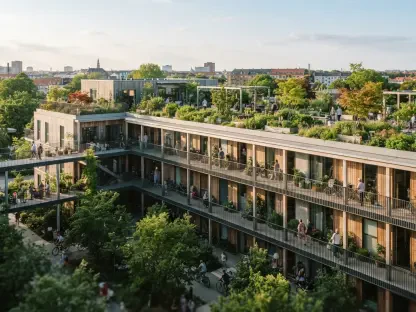
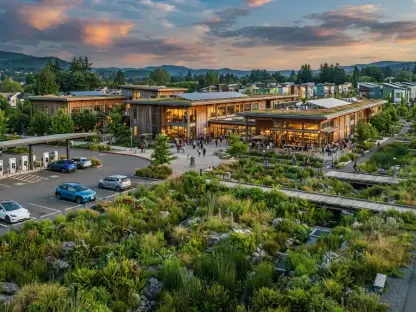
Local governance has played a pivotal role in facilitating this growth by investing heavily in mixed-use developments that blend residential needs with modern lifestyle amenities. Sarasota’s recent urban planning initiatives have focused on creating walkable neighborhoods that feature high-end retail, fitness centers, and green spaces, which are essential components for the millennial demographic. Unlike the traditional sprawling subdivisions of the past, these new communities are designed to foster social interaction and community engagement, bridging the gap between urban convenience and suburban comfort. This strategic development has attracted a wave of small businesses and startups that cater to a younger clientele, further diversifying the regional economy beyond tourism and healthcare. By prioritizing pedestrian-friendly infrastructure and sustainable building practices, the city has successfully marketed itself as a forward-thinking destination for those who value environmental consciousness as much as professional success.
Future Landscapes: Strategic Considerations for the Housing Market
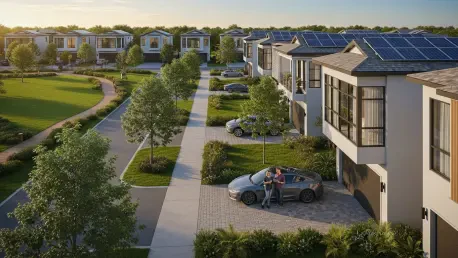
The influx of younger residents has triggered a significant transformation in the local real estate market, leading to a steady appreciation of property values across a variety of price points. This growth is characterized by a high demand for sustainable construction and energy-efficient systems, forcing developers to pivot from standard builds to more sophisticated, technology-integrated homes. Consequently, the construction sector in Sarasota is experiencing a renaissance, with a focus on smart home features and resilient architecture designed to withstand the unique climate of the Florida coast. This shift is also influencing the lending landscape, as financial institutions develop specialized mortgage products tailored to the needs of self-employed or gig-economy professionals who now make up a substantial portion of the buyer pool. The resulting economic vitality has created a feedback loop where increased tax revenue is reinvested into schools and public services, further enhancing the area’s appeal to families looking to establish permanent roots in a flourishing environment.
Analysis of the current 2026 real estate cycle confirmed that the proactive measures taken by the city to modernize its infrastructure effectively secured its position as a national leader in demographic retention. Stakeholders who recognized the importance of diversifying the housing stock early on managed to capture a segment of the market that valued technological integration over traditional luxury. Moving forward, the focus shifted toward expanding middle-income housing options to ensure that the momentum generated by this growth remained inclusive and sustainable for future residents. Planners began prioritizing the development of secondary transport links to connect emerging residential hubs with established commercial centers, mitigating potential traffic congestion before it became a deterrent to new arrivals. By fostering a climate of innovation and accessibility, the region established a blueprint for other mid-sized cities aiming to replicate this success. These strategic investments ensured that the community did not just grow in size, but also in economic complexity and resilience.