
The systematic erosion of safety standards within subsidized residential developments has left thousands of Arizona’s most vulnerable citizens exposed to hazardous living conditions despite billions in public investment. A rigorous audit recently conducted by Auditor General Lindsey Perry has exposed significant oversight failures within the Arizona Department of Housing, revealing a pattern of neglect that impacts thousands of housing units. From 2026 to 2028, the state’s ability to manage these critical resources will be under intense scrutiny as it attempts to rectify years of inadequate inspections and poor documentation. While the tax credit program was designed to incentivize developers to maintain affordable housing, the reality suggests that the state has struggled to enforce the regulatory bargain. This disconnect between legislative intent and administrative execution has created a scenario where massive tax breaks are granted without ensuring that the properties remain habitable and secure.
Systemic Oversight and Safety Failures
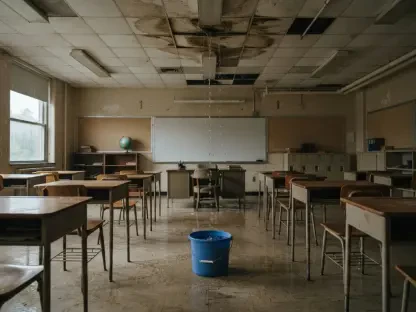
Between 2020 and 2025, the Arizona Department of Housing allocated more than $4.3 billion in tax credits to support upwards of 21,000 low-income residential units across the state. However, the Auditor General’s report highlights that in 126 out of 153 cases reviewed, the department failed to document or inspect for at least one federally required safety standard during compliance periods. This lack of oversight is not merely a clerical error but represents a fundamental breakdown in the protection of low-income families who rely on state-funded housing. Residents have been subjected to environments where rodent infestations, faulty electrical wiring, and blocked fire exits were not properly identified or logged by state officials. These systemic failures suggest that the department prioritized financial incentives over the actual quality of life provided to tenants. Without consistent and thorough physical inspections, the integrity of the portfolio remains in a state of precarious uncertainty.
Beyond physical safety, the audit identified a significant lack of evidence regarding the vetting of tenant incomes, which is a mandatory requirement for maintaining the low-income status of these units. Without proper documentation, there is a substantial risk that housing units intended for the financially vulnerable are being occupied by individuals who do not meet the income criteria. This mismanagement also suggests that rental rates may be calculated incorrectly, potentially overcharging the very people the program is meant to assist. On a more positive note, the department has shown progress in addressing its internal financial vulnerabilities following a security breach. After losing approximately $2 million to wire transfer fraud, the agency implemented rigorous new verification protocols to safeguard state funds. While the safety oversight remains a primary concern, the stabilization of financial operations provides a foundation upon which broader administrative improvements can now be built for the residents.
Remediation Efforts and Strategic Policy Reform
The administration under the leadership of Governor Katie Hobbs and Housing Director Ruby Dhillon-Williams responded to the Auditor General’s findings with a commitment to comprehensive reform. They recognized the gravity of the oversight failures and initiated a plan to incorporate twenty-seven specific recommendations aimed at overhauling the state’s housing policy and inspection protocols. By the time the audit report was finalized, seventeen of these recommendations had already been fully implemented, marking a significant shift in how the department approached its regulatory responsibilities. These changes focused on improving the documentation of inspections, accelerating the reporting of safety hazards, and establishing a more robust system for tracking remediation efforts. The leadership transition signaled a move away from the passive oversight of the past toward a more proactive model of governance. This rapid implementation of reforms served as a critical acknowledgment of the need for change.
The overarching goal of these reforms was to ensure that future tax-credit-funded developments remained both affordable and safe for the duration of their service life. While state-level tax credits expired at the end of 2023, the federal program continued to serve as a vital pillar of the state’s housing strategy, necessitating a long-term commitment to high standards. The department began prioritizing the creation of a centralized database to better monitor compliance across thousands of units, which improved the transparency of the inspection process. Moving forward, the focus remained on sustaining these improvements to prevent a return to the administrative neglect that characterized the early part of the decade. Policymakers also explored new ways to integrate technological solutions into the inspection process, such as digital reporting tools that provided real-time updates to both regulators and owners. These efforts ultimately aimed to restore public confidence in the state’s ability to manage its housing portfolio effectively.