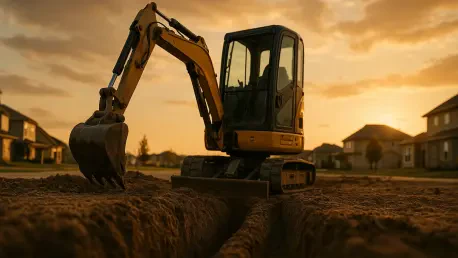

A contractor with deep industry knowledge and a broad network of subcontractors can leverage their practical experience to become a highly effective equipment dealer. In the current landscape of the construction and utility industries, the traditional barriers to entry for machinery distribution have significantly lowered, allowing a diverse array of businesses to pivot into the compact equipment sector. Mini excavators, specifically, have become the cornerstone of small-scale development, landscaping, and urban utility work due to their versatility and ease of operation. Rather than seeing this as a separate industry, many existing commercial entities are recognizing that they already hold the keys to success: physical yard space, established logistical channels, and, most importantly, a pre-existing rapport with the very contractors who are searching for reliable digging solutions. The transition from being a consumer or a peripheral supplier to a primary equipment distributor represents a logical step for organizations that already understand the daily operational challenges of site work. Furthermore, companies like RIPPA offer extensive catalogs featuring multiple compact models across different operating weights, which allows new dealers to evaluate various configurations to match specific regional demands without overcommitting to a single machine type.
1. Current Equipment Retailers and Used Machinery Sellers
Businesses already operating in the equipment retail sector, particularly those selling tractors or agricultural implements, are uniquely positioned to capture the growing mini excavator market. These organizations typically possess the core infrastructure required for success, including high-visibility showrooms, trained sales staff, and comprehensive B2B customer databases. Adding compact excavators to their existing inventory provides a natural extension of their brand, as many of their current clients already utilize multiple types of machinery for site preparation and property management. Since these retailers understand the financial cycles of equipment purchasing and the importance of floor-plan financing, the learning curve is significantly reduced. They can leverage their existing brand equity to introduce new machinery lines to a loyal audience that already trusts their expertise in hydraulic systems and engine maintenance. This synergy between current product lines and new excavation offerings often results in increased foot traffic and higher average transaction values per customer.
By contrast, dealers who specialize in the secondary or used equipment market bring a different yet equally valuable set of skills to the distribution of new mini excavators. These professionals are experts at evaluating machine health, managing complex trade-ins, and navigating the logistics of moving heavy equipment across regional lines. By introducing new units into their inventory, they provide a compelling secondary option for buyers who may be hesitant about the maintenance risks associated with older machines. A used equipment dealer can effectively demonstrate the long-term value and lower total cost of ownership that a new, warranted mini excavator provides compared to a high-hour used unit. This dual-track approach allows the business to serve two distinct customer segments: the budget-conscious operator looking for individual machine opportunities and the professional fleet manager who prioritizes current configurations and manufacturer support. The ability to offer both new and used solutions creates a comprehensive equipment hub that can survive varying economic shifts.
2. Agricultural, Tractor, and Landscaping Supply Businesses
Agricultural and tractor dealerships are frequently the first point of contact for rural property owners and professional farmers who require versatile tools for land management. Farmers often need digging capabilities that a standard tractor and loader cannot provide efficiently, such as deep trenching for irrigation or precise hole digging for fence installations. By incorporating mini excavators into their showrooms, tractor dealers can meet these specialized needs, offering a dedicated excavation tool that complements their agricultural lineup. These dealers already understand the seasonal nature of rural purchasing and the necessity of robust attachment options, such as augers and thumb buckets, which are critical for farm applications. Moreover, their existing service departments are usually well-versed in diesel engine repair and hydraulic maintenance, making the technical support transition for new excavators relatively seamless. This relationship-based selling model ensures that the dealer remains a vital partner in the farmer’s long-term operational success.
Similarly, landscaping supply businesses that cater to professional outdoor contractors are seeing a shift in the scale of projects their clients undertake. As landscaping professionals expand from basic maintenance into complex hardscaping, yard renovations, and large-scale tree installations, their reliance on compact digging machinery increases exponentially. A supplier that currently provides commercial mowers, pavers, and power tools can grow alongside these clients by offering the very machines needed for these larger projects. By positioning themselves as a one-stop shop for both materials and machinery, landscaping suppliers can capture a larger share of the contractor’s budget. This proximity to the end-user allows the dealer to gather immediate feedback on which machine sizes and capabilities are most relevant for local soil conditions and project types. Transitioning into equipment sales enables these businesses to transform from simple material vendors into strategic partners who provide the mechanical solutions necessary for their clients to scale their own operations.
3. Trailer Sales Businesses and Equipment Rental Agencies
Trailer dealerships are often an overlooked segment of the machinery distribution network, yet they possess a critical strategic advantage: they serve the exact same customer demographic as excavator manufacturers. Every contractor, farmer, or landscaper who purchases a flatbed or equipment trailer to haul their gear is a high-quality lead for a mini excavator. When a customer visits a trailer lot to upgrade their transport capabilities, they are often doing so because they are expanding their fleet or taking on more intensive projects. A trailer dealer with sufficient yard space and capital can easily display mini excavators alongside their trailers, creating a powerful cross-selling opportunity. This business model is particularly effective because it addresses the buyer’s logistics and equipment needs simultaneously, offering a complete package that includes both the machine and the means to transport it. The existing commercial relationships and credit structures found in trailer sales provide a solid foundation for managing the higher price points associated with compact machinery.
Equipment rental companies occupy an even more advantageous position, as they possess real-world data on which machine sizes and attachments generate the most revenue in their local market. Rental agencies interact with equipment operators daily, giving them unique insights into the specific pain points and preferences of the local workforce. By transitioning into a dealership model, a rental company can offer new units to frequent renters who have reached a point where ownership makes more financial sense than continued leasing. They can also rotate their own rental fleet into a retail inventory, providing a constant stream of well-maintained used machines while selling new units with full warranties. This dual-revenue stream—rental income plus equipment sales—creates a resilient business structure that can adapt to fluctuations in the construction market. Furthermore, since rental companies already employ technicians and maintain parts inventories, they are perfectly equipped to provide the high level of after-sales support that professional buyers demand from a new equipment dealer.
4. Material Handling and Construction Supply Hubs
Forklift and material-handling dealerships already operate within a sophisticated machinery environment, possessing the technical infrastructure and logistical expertise required to manage heavy equipment. While their traditional client base might be more focused on warehouse and industrial operations, many of these businesses are looking to diversify into the outdoor construction and utility sectors. Their existing service departments, parts warehouses, and mobile service trucks are easily adaptable to the maintenance requirements of mini excavators. These dealers understand the importance of uptime and rapid response for commercial clients, which is a competitive advantage when entering the construction equipment market. By leveraging their professional sales teams and established business processes, material-handling dealers can successfully branch out into landscaping, agriculture, and general excavation. The addition of compact excavators allows them to utilize their existing warehouse space and technical personnel more efficiently while tapping into a completely new and high-growth revenue stream.
Building material suppliers and hardware centers that cater to contractors represent another high-potential group for machinery distribution. These businesses often have high-traffic yards where builders, developers, and subcontractors pick up supplies daily, providing constant exposure for equipment displays. While these centers may initially lack deep technical machinery knowledge, they possess something far more difficult to acquire: a massive, recurring network of professional buyers. By establishing a dedicated equipment division with trained technicians, a hardware outlet can turn its yard into a regional machinery hub. This approach allows the supplier to offer more value to their contractor clients, who can now purchase their building materials and their heavy equipment from the same trusted source. The convenience of a local supplier who understands the contractor’s project timelines and credit needs cannot be overstated. If these businesses invest in the proper support infrastructure, they can effectively challenge traditional machinery dealerships by offering superior proximity and integrated supply solutions.
5. Industrial Distributors and Logistics Specialists
Industrial tool and safety gear distributors are well-versed in the complexities of B2B sales cycles and the importance of maintaining high-quality product lines for professional users. These companies typically manage thousands of SKUs and have developed sophisticated inventory management and delivery systems that can be adapted for larger machinery. Transitioning into the sale of mini excavators is a logical progression for a distributor that already sells high-value items like generators, compressors, and professional-grade power tools. To succeed, these organizations must focus on developing a robust technical support and warranty management department to handle the mechanical needs of the equipment. However, their existing proficiency in regional sales and territory management gives them a significant head start in identifying and capturing market share. By adding compact machinery to their catalog, they can deepen their relationships with industrial and construction clients who are looking to consolidate their purchasing with a single, reliable distributor.
Logistics experts and professional importers who have experience in international procurement and customs procedures are also strong candidates for regional distribution roles. These businesses understand how to navigate the complexities of global supply chains, ensuring that equipment is moved efficiently from the manufacturer to the local market. Rather than focusing solely on individual retail sales, these entities are well-positioned to act as regional hubs, supplying smaller dealers and specialized outlets with inventory. Their expertise in warehousing and wholesale distribution allows them to manage large volumes of machinery, parts, and attachments, providing a critical link between the manufacturer and the end-user. By building a network of localized partners, an importer can achieve widespread market penetration without the need for dozens of their own retail locations. This business model prioritizes operational efficiency and supply chain reliability, making it an attractive option for manufacturers looking to expand their footprint in a specific geographic region with minimal overhead.
6. Experienced Contractors and New Entrepreneurs
Successful contractors who have spent years in the field often possess an unparalleled understanding of what makes a machine effective on a job site. They know which features are essential for daily operation and which common mechanical failures to avoid, giving them instant credibility when talking to other equipment buyers. If a contractor has managed to accumulate sufficient capital and has access to a suitable commercial property, transitioning into equipment sales can be a highly profitable career evolution. Their practical experience allows them to serve as a consultant to their peers, helping them select the right configurations and attachments for specific soil types and applications. Furthermore, their deep roots in the local construction community provide a built-in referral network that can generate sales leads with very little marketing expenditure. By focusing on the “contractor-to-dealer” narrative, they can build a brand based on trust, field-tested reliability, and a shared understanding of the challenges faced by small business owners in the trades.
Well-capitalized entrepreneurs from outside the construction industry also have a significant opportunity to enter the mini excavator market if they possess the right local resources. A business owner with a background in logistics, automotive sales, or commercial property development can build a successful dealership by surrounding themselves with technical experts and experienced sales professionals. The key to their success lies in their ability to manage a professional sales organization and provide the necessary financial backing to maintain a diverse inventory of machines and parts. They can leverage their local business reputation and community ties to build trust with contractors and small business owners who are looking for a reliable local equipment partner. By focusing on customer service excellence and professional business management, an entrepreneur can create a modern, efficient dealership that stands out in a market often dominated by more traditional, old-fashioned operators. Success in this category depends on a willingness to invest in technical expertise and a commitment to understanding the specific needs of the local excavation market.
7. Critical Assets for Long-Term Viability
A successful dealer in the compact equipment sector must possess a specific set of foundational strengths to ensure long-term viability and growth. One of the most important assets is an existing client base, as it significantly lowers the cost of customer acquisition and allows for immediate market entry. Having a pre-established network of contractors, farmers, and business owners provides a ready-made audience for product demonstrations and initial sales. Beyond just having customers, a high-potential dealer must have access to sufficient operating capital to maintain a diverse inventory of machines and a comprehensive stock of wear parts and attachments. This financial stability is crucial for managing the lead times associated with machinery manufacturing and ensuring that the dealer can meet sudden spikes in local demand. Without the ability to keep machines on the lot for immediate delivery, a dealer will struggle to compete with larger, more established chains that prioritize inventory availability.
In addition to financial and customer resources, physical infrastructure and technical capability are non-negotiable requirements for any aspiring equipment distributor. A functional showroom or outdoor display area is essential for allowing potential buyers to see, touch, and operate the machinery before making a significant investment. This physical presence builds credibility and serves as a constant advertisement to passing traffic within the construction community. Furthermore, the ability to provide technical support and after-sales service is what ultimately separates a successful dealership from a simple equipment broker. Buyers of professional machinery expect a clear path for warranty claims, routine maintenance, and emergency repairs. A dealer who invests in trained service technicians and a well-organized parts department will build the kind of local reputation that generates repeat business and word-of-mouth referrals. In the compact machinery market, the quality of the service after the sale is often just as important to the buyer as the initial purchase price of the excavator.
8. Tactical Implementation for Local Market Entry
The most successful dealers established a clear roadmap for their initial entry into the compact machinery market by focusing on data-driven decisions and localized demand. They began the process by pinpointing their primary customer segments, identifying whether their region was dominated by landscaping professionals, residential builders, or small-scale agricultural operations. This research allowed them to analyze local demand for specific excavator sizes and weights, ensuring that their first inventory orders perfectly matched the needs of their community. Instead of attempting to stock every possible machine, they chose a concentrated initial product lineup that focused on high-turnover models with the most versatile attachment options. They also prioritized technical education, ensuring that their sales and service teams were deeply familiar with the machine specifications and common use cases. By establishing a reliable system for parts and maintenance early in the process, these dealers built buyer confidence and ensured that they could provide professional-grade support from the very first transaction.
Moving beyond the initial setup, the dealers who achieved the fastest growth were those who created a proactive strategy for on-site demonstrations and lead generation. They leveraged their existing contractor connections to host local events where operators could test the machinery in real-world conditions, proving the performance of the equipment firsthand. They tested the market with a small, manageable inventory before attempting to scale up their operations, which allowed them to learn the nuances of the business without overextending their finances. As they monitored which models performed best in their specific region, they made strategic adjustments to their ordering patterns and marketing efforts. They eventually grew their inventory and expanded their service capabilities based on confirmed sales data and direct customer feedback rather than general industry speculation. This disciplined approach to market entry ensured that the new dealership remained profitable and sustainable, ultimately transforming it into a cornerstone of the local construction and equipment landscape.