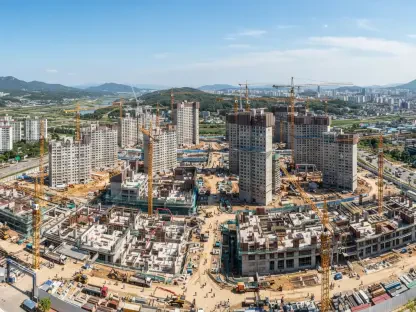

The shift from traditional fossil fuels toward a diversified and low-carbon energy portfolio has accelerated beyond initial projections, necessitating that industrial leaders redefine their core operational philosophies. As the global community demands immediate scalability in renewable sectors, the construction and engineering landscape is undergoing a profound transformation characterized by the integration of advanced modular designs and sophisticated carbon management systems. Hyundai Engineering is positioning itself at the epicenter of this shift by pivoting from its historical roots in plant construction toward a future-proof model centered on sustainable power generation and environmental resource recovery. This strategic realignment is not merely a response to regulatory pressure but a proactive embrace of the technological synergies between nuclear energy, hydrogen production, and circular economy practices. By leveraging established expertise in large-scale infrastructure, the organization aims to bridge the gap between experimental energy concepts and commercially viable utility solutions. The focus remains on creating a resilient energy ecosystem that can withstand the volatility of global markets while providing consistent, clean power to a variety of industrial and residential consumers across the globe.
Integrating Advanced Nuclear Solutions and Hydrogen Production
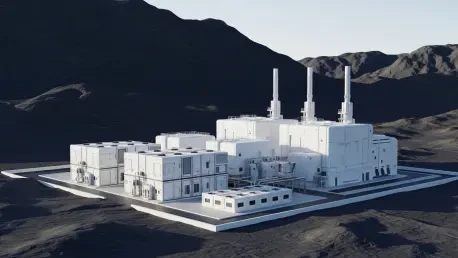
Small modular reactors represent the next frontier in carbon-free baseload power, offering a flexible and inherently safer alternative to traditional large-scale nuclear plants that often face logistical hurdles. Through a strategic partnership with Ultra Safe Nuclear Corporation, the focus has shifted toward the deployment of the Micro Modular Reactor (MMR), which utilizes high-temperature gas-cooled technology and specialized ceramic-coated fuels. This specific design ensures that the reactor remains stable even in the absence of active cooling systems, providing a layer of safety that is essential for gaining public trust and regulatory approval. These modular units are designed for factory fabrication, which allows for significantly shorter construction timelines and lower financial risk compared to traditional nuclear projects. From 2026 to 2028, the goal is to finalize pilot projects that demonstrate the viability of these units for remote mining sites and industrial parks where grid connectivity is either non-existent or prohibitively expensive. By providing a steady supply of both carbon-free electricity and high-grade heat, these reactors are becoming indispensable for industries that are difficult to decarbonize using solar or wind alone.
Sustainable energy evolution requires a holistic view of the waste cycle, leading to the development of sophisticated waste-to-energy facilities that convert non-recyclable plastics into high-purity hydrogen. This process utilizes advanced pyrolysis and gasification technologies to break down complex hydrocarbons into synthetic gas, which is then refined into hydrogen fuel for transport and industrial use. By addressing the dual crises of plastic pollution and the need for clean fuel, the firm has established a closed-loop system that aligns with global circular economy objectives. The implementation of carbon capture and storage units within these facilities ensures that the entire lifecycle of the waste remains carbon-neutral or even carbon-negative. This technological synergy allows municipalities to manage waste more effectively while simultaneously contributing to the national hydrogen economy. Such facilities are becoming essential components of urban infrastructure, providing a decentralized source of clean energy that reduces reliance on volatile global fuel markets and long-distance energy transmission. These localized production hubs also minimize the logistical costs associated with hydrogen distribution.
The transition toward a sustainable energy framework proved that the successful integration of diverse technological sectors was the primary driver of industrial resilience. Leaders in the engineering field recognized that the move away from fossil fuel dependency required more than just new hardware; it demanded a total reimagining of how energy was produced and distributed. Industry participants focused on standardizing modular designs to ensure that clean energy could be deployed rapidly across varying geographical regions. Actionable insights gained from this period highlighted the importance of localized energy hubs that combined nuclear power with waste-to-hydrogen processing to maximize efficiency. Stakeholders moved to adopt circular economy principles, ensuring that waste materials were viewed as valuable feedstocks rather than environmental liabilities. This shift encouraged the development of new safety protocols and technical standards that facilitated the global adoption of advanced modular reactors. The era established a blueprint for how legacy construction firms could successfully pivot toward a technology-centric model. Future progress depended on maintaining this momentum through cross-border technical collaborations and the refinement of carbon utilization techniques.