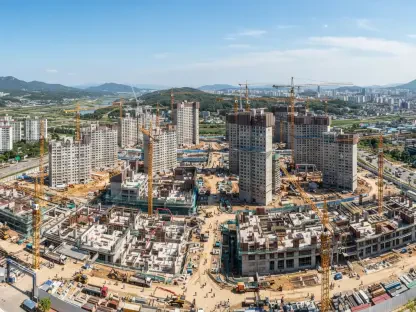

Queensland’s rapidly expanding population has created an unprecedented demand for modern residential infrastructure that traditional zoning laws struggle to accommodate effectively. For years, the gap between housing demand and actual completion rates has widened, leading to soaring rents and limited options for first-time buyers in metropolitan areas like Brisbane and the Gold Coast. To combat this issue, the state government recently introduced a series of legislative reforms designed to strip away bureaucratic layers that have historically slowed down construction cycles. These measures do not merely suggest faster approvals but mandate a standardized framework for medium-density projects, allowing developers to bypass certain local council objections if specific criteria are met. By prioritizing transit-oriented developments, the government aims to create a more resilient urban landscape. These changes represent a shift from previous models to a proactive strategy for sustainability.
Streamlining Approvals: Urban Efficiency
Digital Integration in Planning
Implementation of a unified digital planning portal has drastically reduced the time required for developers to submit and receive feedback on architectural proposals across various jurisdictions. This centralized system utilizes automated compliance checks to identify potential zoning conflicts before a human reviewer even opens the file, which minimizes administrative backlogs. By ensuring that every local council adheres to the same set of technical standards, the state has eliminated the confusion often caused by contradictory municipal bylaws. Furthermore, the integration of real-time data tracking allows stakeholders to monitor the progress of their applications, creating a level of transparency that was previously non-existent in the Queensland construction sector. This technological leap ensures that projects move from the drawing board to construction in months rather than years. Such efficiency is crucial for maintaining a steady pipeline of housing stock that can keep pace with demand.
Regulatory Density Incentives
New density-bonus schemes are encouraging developers to include a higher percentage of affordable units within their high-rise and multi-dwelling projects in exchange for expedited approvals. These incentives are specifically targeted at underutilized land parcels near existing rail corridors and commercial hubs, where infrastructure can already support a larger resident base. Instead of focusing solely on luxury apartments, the current reform package mandates a diverse mix of housing types, including townhouses and social housing units, to ensure economic diversity within emerging neighborhoods. This approach mitigates the risk of urban sprawl by focusing growth inward, preserving the natural fringes of the state while enhancing the vibrancy of city centers. By linking planning permissions to community benefit outcomes, the state is fostering a development environment where profit motives align with the public need for accessible housing. This shift demonstrates a nuanced understanding of how design affects life.
Economic Growth: Stability and Investment
Addressing Labor Shortages
Beyond physical planning, the success of these reforms hinges on the availability of a skilled workforce capable of executing large-scale residential projects on shortened timelines. The government has partnered with technical colleges to provide subsidized training programs that specialize in modern methods of construction, such as modular assembly and sustainable material usage. By attracting new talent to the industry and upskilling existing workers, the state is addressing the bottleneck created by the current labor shortage that threatened to stall progress. These educational initiatives ensure that the construction sector remains a robust pillar of the regional economy, providing high-paying jobs while simultaneously solving the housing crisis. Investment in human capital acts as a force multiplier for legislative changes, ensuring that the legal path to development is matched by the physical capacity to build. As more apprentices enter the field through 2027, the industry is expected to see a significant increase in completions.
Long-term Housing Access
Future considerations focused on establishing a permanent task force to monitor the impact of these reforms on market pricing and availability to prevent predatory speculation. Policymakers recognized that legislative adjustments required continuous refinement to adapt to shifting economic conditions and evolving demographic needs across the state. By maintaining an open dialogue between private developers, community advocacy groups, and local government bodies, the administration ensured that the housing supply remained both plentiful and diverse. This collaborative framework was essential for maintaining public trust while transforming the urban fabric of Queensland’s major cities into more inclusive environments. The transition toward data-driven planning and incentivized density provided a blueprint for other regions facing similar urban pressures. Ultimately, the integration of technological innovation with social policy created a foundation for a more stable property market. These actions secured a pathway for new residents.