
Reliability and after-sales support are now prioritized over the initial sticker price to avoid the high costs of project downtime. The New Zealand construction landscape has undergone a significant transformation, moving away from the volatile spikes of previous years toward a more tempered and resilient operational model. This evolution comes after a period where high interest rates and labor constraints squeezed margins, forcing firms to rethink their long-term viability. Today, the focus has shifted from rapid, speculative expansion to a disciplined approach that values consistency and technical excellence. The market is witnessing a stabilization that feels different from previous cycles; it is less about a frantic rush to build and more about a strategic realignment with national priorities. This environment has cultivated a professionalized sector where data-driven decisions replace gut feelings, ensuring that contractors are better equipped to handle the complexities of modern engineering and site management across the country.
Economic Stabilization and Growth Drivers
Shifting Focus to Infrastructure and Public Works
The pivot from residential developments to large-scale public works has redefined the machinery requirements for major contractors. While the housing sector remains a critical component of the economy, its inherent unpredictability has led many firms to seek the relative safety of government-backed horizontal infrastructure projects. These initiatives, which encompass land transport, water management, and the expansion of electricity networks, require a different class of heavy equipment compared to urban residential builds. This shift is providing a necessary buffer against the patchy performance seen in private development. By securing contracts for roading and utilities, construction companies are gaining the long-term visibility required to justify significant investments in their fleets. This transition is not merely a change in project type but a fundamental shift in business strategy, as the industry prioritizes projects that offer guaranteed progress over high-risk ventures.
Government-led investment is currently acting as a primary anchor for the market, providing a level of certainty that was missing during the recent period of economic contraction. With significant capital being injected into regional development, the demand for specialized earthmoving and civil engineering tools has stabilized. This steady demand allows equipment distributors to manage their inventories more effectively, reducing the likelihood of the supply chain bottlenecks that previously plagued the industry. Furthermore, the emphasis on quality and durability in public works means that the equipment being deployed must meet rigorous performance standards. Contractors are increasingly looking for machinery that can withstand the demands of multi-year infrastructure cycles without frequent breakdowns. This focus on reliability is reshaping the competitive landscape, as firms that possess well-maintained, high-performance fleets are more likely to secure the lucrative long-term contracts currently defining the market.
Expanding Regional and Urban Development Projects
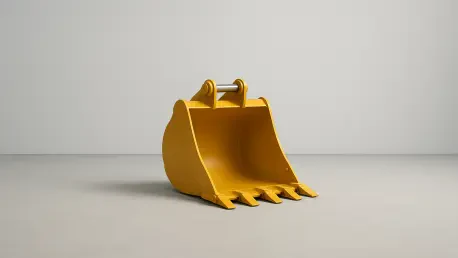
Regional development initiatives have sparked a renewed interest in versatile machinery that can operate across diverse terrains and climates. From the volcanic soils of the North Island to the rugged landscapes of the South Island, contractors are selecting equipment that offers adaptability without sacrificing power. This regional focus has also led to an increase in the deployment of specialized attachments, such as advanced crushing and screening buckets, which allow for on-site processing of materials. By reducing the need for transport, these tools enhance operational efficiency and lower the carbon footprint of major projects. This trend is particularly evident in the expansion of rural roading networks, where logistical challenges require equipment that is both robust and easy to maintain in remote locations. As local councils increase their spending on resilience and flood protection, the demand for medium-sized excavators and amphibious machinery continues to grow, providing work for regional firms.
In contrast to the expansive nature of regional works, urban renewal projects are driving a surge in demand for compact and low-emission machinery. Cities like Auckland and Christchurch are focusing on densification and the upgrading of aging subterranean utilities, which requires equipment capable of navigating tight spaces with precision. Mini-excavators and electric-powered skid steers are becoming more common on these sites, reflecting a broader industry commitment to noise reduction and environmental sustainability. This shift is supported by stricter local regulations that prioritize the health and safety of urban residents during long-term construction phases. Contractors who specialize in urban work are finding that investing in quieter, cleaner technology provides a competitive edge when bidding for municipal contracts. Moreover, the integration of 3D machine control systems is allowing for greater accuracy, reducing material waste and accelerating project timelines in high-traffic areas.
Evolving Equipment Acquisition Strategies
The Strategic Balance of New and Used Machinery
Current procurement trends indicate that contractors are becoming increasingly surgical with their capital expenditure, favoring a balanced mix of new and pre-owned assets. In the current climate, the allure of brand-new machinery is often weighed against the immediate availability and lower entry costs of high-quality used equipment. This pragmatic approach allows businesses to preserve liquidity, which remains a top priority even as the market stabilizes. By integrating younger used machines into their operations, firms can scale their capacity quickly to meet the demands of a new contract without the heavy financial burden of a full-scale fleet overhaul. This strategy is particularly effective for mid-tier contractors who need to remain agile in a competitive bidding environment. The market for used equipment has consequently matured, with a stronger emphasis on machines that have been through rigorous inspection and refurbishment processes, ensuring they deliver high performance.
The importance of equipment provenance has reached a record high, with buyers moving away from the risks associated with private sales or unverified imports. Instead, there is a clear preference for working with domestic dealers who can provide documented service histories and robust local after-sales support. This shift is driven by the realization that a cheaper machine from an unverified source can quickly become a liability if parts are unavailable or technical support is non-existent. Professional contractors now view their relationship with a dealer as a strategic partnership rather than a simple transaction. They are looking for suppliers who can guarantee parts availability and provide expert technicians who understand the specific environmental conditions of New Zealand worksites. This focus on local support networks is helping to professionalize the second-hand market, creating a more transparent ecosystem where the history and condition of every machine are valued.
Prioritizing Operational Efficiency and Value
The construction sector successfully navigated the transition toward a value-driven model by prioritizing resilience and strategic planning over short-term gains. Leaders in the field moved beyond the reactive purchasing habits of the past and instead cultivated deep partnerships with suppliers who demonstrated a commitment to long-term reliability. To maintain this momentum, stakeholders focused on leveraging telematics and data analytics to refine their maintenance schedules and optimize fleet utilization. Future considerations included a sharp focus on technician training and the digital integration of service records to ensure that every asset remained a productive component of the national infrastructure effort. By maintaining a disciplined approach to capital expenditure and prioritizing the total lifecycle value of their machinery, New Zealand’s construction firms established a solid foundation for growth. This move toward a professionalized market environment ensured they remained ready for the steady project pipeline.