
Industrial growth in Pretoria North is being accelerated by a 100-hectare mixed-use development that combines logistics, retail, and high-density housing. This massive undertaking, known as the Rosslyn Hub, serves as the critical catalyst for the broader Tshwane Automotive City initiative. By integrating commercial space with residential neighborhoods, the project seeks to transform the traditional industrial landscape into a vibrant, self-sustaining urban center. The development represents a multi-billion rand investment designed to capitalize on the proximity of major global automotive manufacturers. As the region experiences a surge in production capacity, the need for centralized support services and improved infrastructure has never been more pressing. This strategic expansion facilitates a more efficient supply chain while simultaneously addressing the socio-economic needs of the local workforce. It is a bold move toward modernizing South Africa’s manufacturing heartland through a holistic approach.
Infrastructure Advancements: Empowering the Automotive Supply Chain
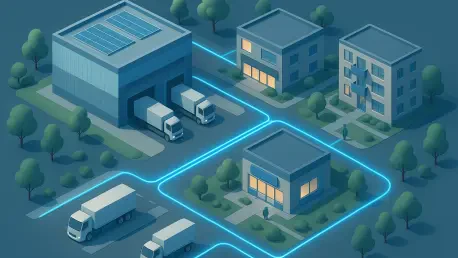
The logistical core of this expansion focuses on creating seamless connections between raw material suppliers and assembly lines. Significant investments were made to upgrade road networks and develop a sophisticated inland container terminal that links directly to major ports. This infrastructure allows companies like BMW and Nissan to reduce turnaround times and lower operational costs significantly. By centralizing warehousing and distribution hubs within the Rosslyn district, the project minimizes the carbon footprint associated with long-distance freight. Furthermore, the implementation of smart grid technology ensures that industrial facilities have access to a stable and reliable power supply, which is crucial for high-tech manufacturing processes. The integration of high-speed fiber optics across the entire hub allows for real-time data exchange between local plants and their global headquarters. Such advancements solidified the area’s reputation as a premier destination for international investment in 2026.
Specialized automotive testing grounds and shared research facilities are now emerging as key features of the local ecosystem. These resources allow smaller components manufacturers to innovate without the prohibitive overhead costs typically associated with private laboratories. This collaborative environment fosters a culture of technical excellence that benefits the entire South African automotive sector. The hub also incorporates advanced security systems and perimeter controls to protect high-value inventory and sensitive proprietary technology. Beyond the physical assets, the development emphasizes a synchronized logistics model that aligns with just-in-time manufacturing requirements. This level of precision is necessary for maintaining the competitive edge of the Tshwane region on the global stage. As more suppliers relocate to the hub, the economies of scale continue to improve, driving down costs for both producers and consumers. This strategic concentration of industry expertise ensures long-term viability for the automotive city concept.
Social Transformation: Creating a Sustainable Living Environment
A unique aspect of this development is the deliberate focus on high-density residential zones located within walking distance of major industrial sites. This urban planning strategy aims to reduce the daily commute for thousands of workers, thereby improving their quality of life and productivity. The residential component includes diverse housing options ranging from affordable apartments to mid-market units, catering to a wide demographic. In addition to housing, the hub features a comprehensive retail district that provides essential services such as healthcare clinics, grocery stores, and educational centers. This self-contained design ensures that employees and their families have access to modern amenities without needing to travel into the congested city center. By creating a walkable community, the developers have successfully integrated social needs with industrial demands. Public green spaces and recreational facilities are also included to promote a healthier lifestyle for the residents within this urban core.
The successful implementation of the Rosslyn Hub established a new standard for industrial-residential integration across the continent. Investors recognized that the traditional model of isolated factories was no longer viable in a modern economy that values connectivity and employee well-being. Looking ahead, city planners and stakeholders focused on expanding these sustainable practices to neighboring districts to ensure a cohesive regional growth strategy. The focus shifted toward integrating more renewable energy sources, such as large-scale solar arrays on warehouse rooftops, to achieve carbon neutrality. Decision-makers prioritized the continuous training of the local workforce to meet the demands of an increasingly automated manufacturing environment. They also ensured that the digital infrastructure remained adaptable to future technological shifts like the widespread adoption of hydrogen power in heavy transport. These proactive measures provided a clear roadmap for other manufacturing hubs seeking to replicate this success.