
Over the past decade, standardized environmental ratings have helped building owners avoid 15.2 million tonnes of greenhouse gas emissions and save billions in costs. This data, emerging from the National Australian Built Environment Rating System (NABERS) 2025/26 Annual Report, illustrates a
Layered lighting design supports the physiological transition from a high-energy urban environment to a sanctuary that activates the parasympathetic nervous system. This transition is no longer a luxury but a fundamental requirement for the modern traveler seeking a reprieve from the relentless
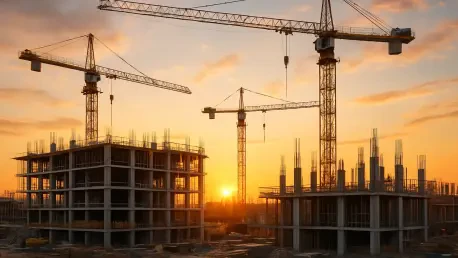
The upcoming construction of a specialized facility near the Judd Hill Farmers’ Market marks a pivotal expansion of industrial education in the Jonesboro region. This ambitious project, known as the Career Readiness Education and Skills Training (CREST) Center, serves as a cornerstone for a new era
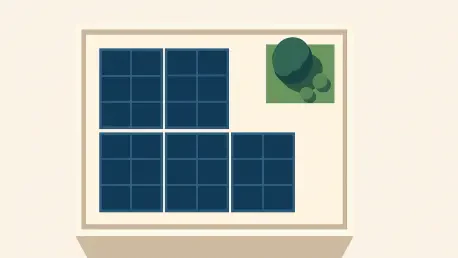
Transforming a relic of the late nineties into a carbon-neutral masterpiece requires more than just a fresh coat of paint; it demands a radical reimagining of how structural integrity meets modern energy efficiency. Deep retrofitting represents this fundamental shift, prioritizing the circular
Substituting thirty to fifty percent of ordinary Portland cement clinker with a ternary blend offers a practical path toward decarbonizing the global building industry. This strategic shift comes at a critical moment in 2026, as structural engineers and material scientists work to reconcile the
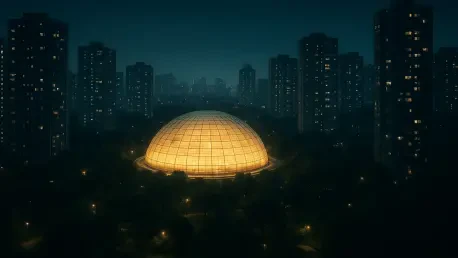
Local government projects often face the risk of failed tenders if bidding conditions do not accurately reflect the specialized construction and design costs of modern domes. This financial reality sits at the center of South Korea’s ambitious pivot toward a new urban development paradigm where