
Transforming a relic of the late nineties into a carbon-neutral masterpiece requires more than just a fresh coat of paint; it demands a radical reimagining of how structural integrity meets modern energy efficiency. Deep retrofitting represents this fundamental shift, prioritizing the circular economy by extending the lifecycle of existing assets. Instead of the massive carbon debt incurred by demolition and reconstruction, this approach preserves the primary structure while overhauling the internal systems.
The industry is currently moving away from theoretical Energy Performance Certificates (EPCs) toward actual operational energy performance measurement through the NABERS framework. This transition ensures that a building’s green credentials are based on real-world consumption rather than design predictions. Modernizing aging commercial stock is a necessity for meeting current environmental standards and global climate targets while maintaining market relevance.
Introduction to Sustainable Building Retrofitting
The shift toward actual operational performance measurement marks a departure from static compliance. By focusing on data-driven outcomes, stakeholders can verify that energy reduction strategies actually translate into carbon savings. This movement aligns with the circular economy, where the value of existing materials is maximized to minimize waste and embodied energy.
Preserving the structural core of a building allows for the modernization of the envelope and mechanical systems without the environmental cost of new construction. This strategy addresses the “stranded asset” risk, ensuring that older buildings remain competitive in a market that increasingly values high sustainability ratings.
Core Components and Technical Advancements
Renewable Energy Integration and Power Generation
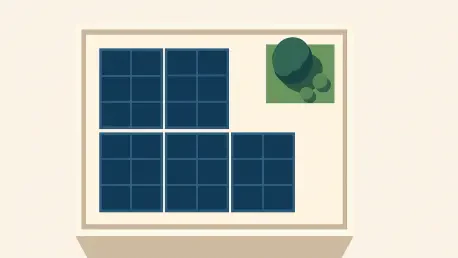
The core of a successful retrofit lies in the building’s ability to generate its own power. High-capacity rooftop solar arrays, such as the 41 kWp capacity models, represent a critical technical advancement. These photovoltaic systems do more than just lower utility bills; they provide the local energy offsetting required to achieve the prestigious Net Zero status.
Advanced Climate Control and Smart Lighting
Thermal efficiency is achieved through hybrid Variable Refrigerant Flow (VRF) systems that provide precise climate control without the energy draw of legacy HVAC units. When coupled with intelligent LED lighting that responds to occupancy and ambient sunlight, energy waste is minimized. Integrated building management systems synchronize these technologies for peak efficiency.
Health, Well-being, and Air Quality Monitoring
Technical performance is increasingly measured by its impact on human occupants. The RESET Air Certification highlights the importance of continuous, independent indoor air quality verification. This ensures pollutants are managed effectively, creating an environment that supports cognitive function and productivity.
Integrating standards like Fitwel ensures that the building supports physical health through design. This includes the provision of Grade A amenities that balance technical excellence with tenant comfort. By treating air quality and wellness as technical metrics, developers create spaces that are as healthy for people as they are for the planet.
Emerging Trends in the Retrofitting Sector
The market now demands data-driven proof through performance benchmarks rather than vague sustainability promises. There is a growing emphasis on zero-waste refurbishment, where materials with high recycled content are prioritized. Even original flooring and architectural elements are repurposed to further reduce the carbon footprint.
This trend extends to the demand for transparency from both owners and occupiers. Real estate stakeholders now seek verified sustainability data to satisfy rigorous corporate reporting requirements. The ability to demonstrate a low-carbon footprint is becoming a primary driver in asset valuation and tenant retention.
Real-World Applications and Case Studies
Silbury House in Milton Keynes serves as a landmark example of this technology in action. As a structure originally built in 1998, it achieved the first 5 Star NABERS UK Energy “Whole Building” rating through a holistic refurbishment. This achievement proves that regional office hubs can lead the way by modernizing older structures to reach modern efficiency benchmarks.
Such projects serve as a template for urban regeneration, demonstrating that existing commercial stock can be salvaged. By focusing on holistic refurbishment, developers revitalize aging city centers without the disruptive impact of demolition. The success of these applications highlights the viability of deep retrofits as a repeatable model.
Challenges and Technical Barriers
Despite the benefits, integrating modern VRF and solar systems into legacy frameworks presents technical hurdles. Structural weight limits can complicate the installation of advanced equipment on older roofs. Furthermore, the regulatory complexity of achieving multi-star ratings requires a level of precision that many traditional teams are not yet equipped to handle.
Market obstacles relate to the high initial capital expenditure of deep retrofits compared to standard maintenance. While the long-term operational savings are clear, the upfront costs remain a barrier for some owners. Ongoing efforts to standardize performance reporting are essential to help investors understand the risk-reward profile of these projects.
Future Outlook and Strategic Development
Deep retrofitting is poised to become the primary method for decarbonizing the global building stock. Anticipated breakthroughs in smart building sensors and real-time optimization algorithms will further enhance efficiency. These advancements will allow buildings to interact dynamically with the power grid, becoming active participants in the energy ecosystem.
The long-term impact on corporate ESG targets will be profound as Net Zero spaces become the standard. We can expect certifications to evolve further, incorporating more rigorous metrics for biodiversity and social impact. This evolution will ensure that the built environment continues to contribute positively to the broader community.
Conclusion and Assessment
The transition from design-based energy estimates to performance-based outcomes marked a turning point in the real estate sector. The technical viability of transforming aging assets into sustainable spaces was established through these innovative retrofitting strategies. It was demonstrated that deep retrofitting provided a unique synergy between profitability, tenant well-being, and responsibility.
The successful modernization of properties like Silbury House confirmed that demolition was no longer the only path to high performance. Investors who embraced these complex technical upgrades positioned themselves at the forefront of the green transition. The shift toward verified, operational efficiency became the definitive standard for the industry.