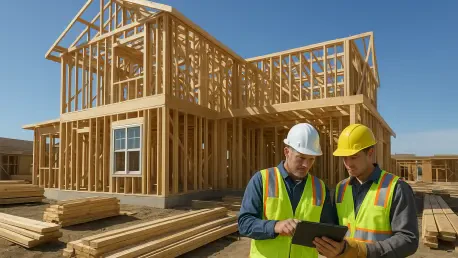
The dream of homeownership has increasingly felt like a moving target for millions of Americans who are navigating a market defined by record-high valuations and limited inventory. For decades, the narrative has persisted that the very rules designed to keep us safe are the primary drivers behind

Interdisciplinary collaboration between engineers and architects is essential to mitigate the risks associated with single-staircase heritage units and electrical fires. The structural collapse of an 81-year-old shophouse on Lebuh Armenian in George Town serves as a stark warning about the fragile
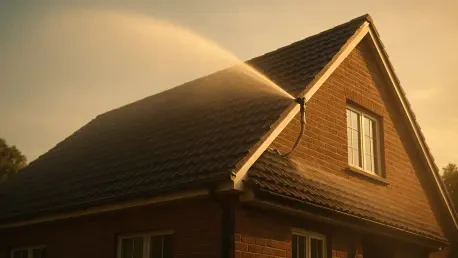
Emergency responders are increasingly tasked with defending entire streets from ember attacks as wildfires migrate from remote areas into populated neighborhoods. While the United Kingdom was historically considered low-risk for such disasters, a series of record-breaking heatwaves and prolonged
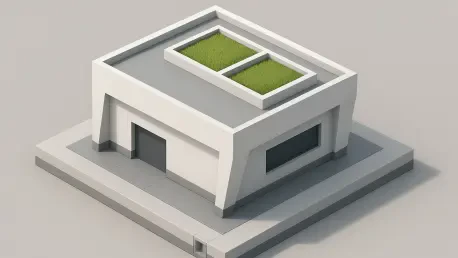
Current green building certifications frequently reward designs for efficiency while ignoring the structural integrity needed to withstand intensifying climate disasters. This fundamental disconnect between high-performance ratings and real-world durability has led to a landscape where
The Australian construction sector has seen a staggering 53% decline in the number of homes completed per hour worked, prompting calls for a radical regulatory overhaul. This alarming statistic, highlighted in the August 2026 interim report from the Australian Senate Productivity Committee,
Building automation systems managing HVAC and lighting have transitioned from isolated setups to integrated networks, significantly expanding the digital attack surface. Imagine a modern skyscraper where the climate control, elevator logic, and biometric access are all orchestrated by a single,