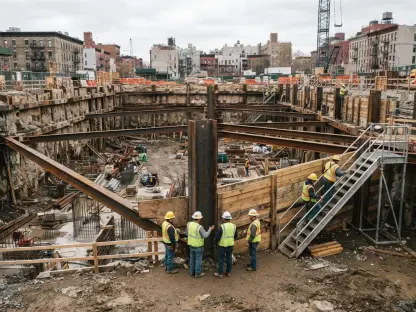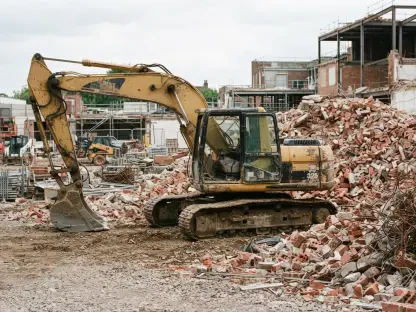

Bureaucratic hurdles and limited financial resources could potentially undermine the effectiveness of the government’s latest effort to resolve the cladding crisis. For years, leaseholders in smaller residential blocks felt abandoned by a system that strictly prioritized buildings over 11 meters,

Strategic cooperation between lenders and builders is essential to ensure that the regulatory environment remains fit for the purpose of large-scale offsite construction. As the Australian government pushes toward the delivery of 1.2 million new dwellings by the middle of 2029, the traditional
A 62-year-old man faces arson charges after a high-risk blaze at a Toronto Seniors Housing Corporation building reignited fears about the safety of local residents. The early morning hours of July 10, 2026, transformed a quiet residential complex near Victoria Park and Eglinton Avenue East into a

Replacing original historic windows with modern vinyl alternatives can disqualify an entire project from receiving federal tax credits due to non-compliance with preservation standards. This strict adherence to historical integrity is the cornerstone of the Federal Historic Rehabilitation Tax

Mandatory national standards are being established to manage the environmental consequences of large-scale data centers as they become central to the economy. This policy shift reflects the growing realization that the digital backbone supporting modern artificial intelligence is not an invisible
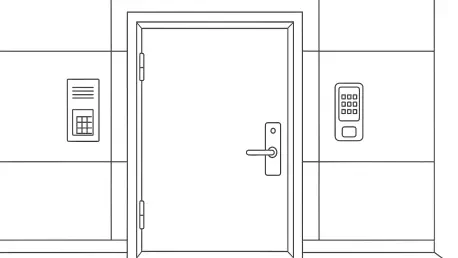
The integration of physical building envelopes with emergency procedures marks a transition toward a culture of proactive preparedness in public architecture. For years, architects focused primarily on the fluidity of movement and aesthetic transparency, but the landscape of public safety changed