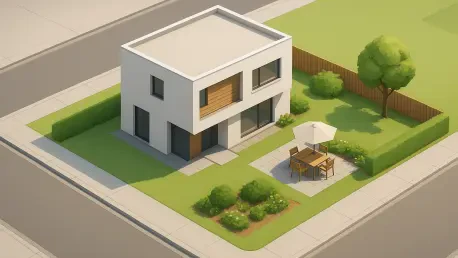
The updated regulations permit residential structures to sit one meter closer to the street curb to maximize the availability of private backyard space. This shift marks a significant departure from traditional planning constraints that often left homeowners with cramped outdoor areas despite
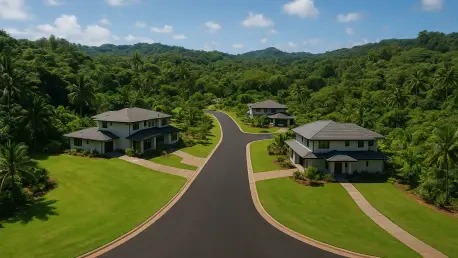
Large-scale residential developments consisting of twenty or more units would be required to provide a second county-standard access road to facilitate emergency evacuations. This proposed shift in the Kauaʻi County Building Code represents a significant pivot toward proactive disaster mitigation
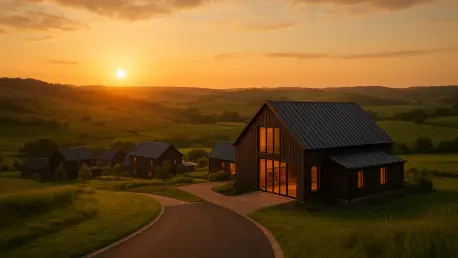
Federal safeguards are shifting toward a reliance on existing local codes while maintaining strict underwriting standards to protect property integrity. The United States Department of Agriculture is currently spearheading a transformative effort to overhaul its housing portfolio by proposing the

The standoff over the Sixth Street facility highlights a growing conflict between rigid municipal building codes and the desperate need for recovery housing in Colorado. This struggle centers on a 36-bedroom facility on West Sixth Street, where the City of Loveland has mandated an immediate
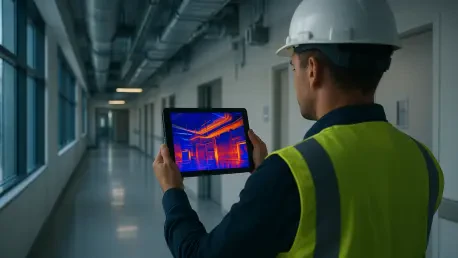
Yelm Community Schools plans to modernize lighting at its high school to redirect scarce financial resources from utility bills back into student programs. This localized effort represents a microcosm of a much larger statewide push to overhaul the energy landscape of Washington’s built

The Future Homes Standard serves as a regulatory line in the sand that prevents the value-engineering of thermal envelopes after initial project approvals are granted. For decades, the residential development sector operated within a framework that allowed for incremental improvements and