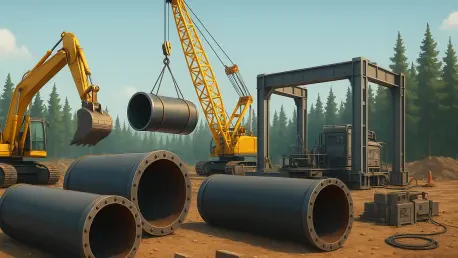

Rigorous testing protocols ensure that every weld and coating application on the new pipeline segment can withstand the environmental pressures of the Great Lakes region. In 2026, the relocation initiative in Northern Wisconsin, specifically around the Highbridge area, represents a vital modernization of critical energy infrastructure. This project is not merely a construction effort but a highly coordinated industrial operation designed to enhance safety and reliability while maintaining the flow of essential resources. With over 700 family-supporting jobs currently active in Ashland and Iron counties, the site is a hub of professional activity involving welders, equipment operators, and environmental monitors. These teams participate in daily briefings to synchronize their technical tasks with a zero-incident safety culture, ensuring that every phase of the project respects the welfare of the workers and the surrounding environment. This modernization provides a sustainable path for regional energy security for the coming decades.
Ensuring Technical Integrity and Quality Control
The Vital Role of Specialized Inspection Teams: Part 1
The inspection process serves as the foundational element of quality control, acting as the primary safeguard against structural vulnerabilities throughout the construction corridor. Lead inspectors, bringing decades of experience in large-scale infrastructure, manage a multi-layered verification system that monitors the project from its inception. These professionals are responsible for material verification, ensuring that every segment of the pipe meets exact engineering specifications before it is integrated into the system. This proactive scrutiny begins the moment materials arrive at the staging grounds, where they are inspected for any metallurgical inconsistencies or damage sustained during transport. By identifying potential issues before construction begins, the team prevents the use of substandard components. The presence of these experts on-site provides a continuous layer of oversight, ensuring that the relocated segment is built with the precision required to withstand the unique geological pressures of the Wisconsin landscape.
The Vital Role of Specialized Inspection Teams: Part 2
Integrity monitoring remains a continuous operation that covers the entire lifecycle of the pipeline installation, from the initial staging on the ground through the final burial process. This stage requires specialized testing of every individual joint, utilizing advanced diagnostic tools and physical stress tests to guarantee that the infrastructure remains resilient under generational use. Modern standards prioritized for this project favor structural longevity over the speed of completion, ensuring that the pipeline becomes a permanent and reliable component of the regional energy grid. Procedural compliance is strictly enforced, with all contractors required to adhere to detailed blueprints that account for the specific environmental and engineering demands of the Great Lakes basin. This level of technical oversight creates a narrative of reliability, providing stakeholders with the assurance that the infrastructure is being constructed to the highest modern safety standards, thereby minimizing future maintenance risks.
Community Integration and Regional Stewardship
Economic Growth and Local Economic Support: Part 1
The relocation project has established a deep economic footprint within the local communities of Ashland and Iron counties, fostering a symbiotic relationship with regional businesses. Since the project involves an extended timeline for construction and permitting, many of the 700 workers have lived in the area for a significant duration, becoming temporary but invested members of the community. This sustained presence has provided a substantial boost to local hotels, restaurants, and retail establishments, which have seen a steady increase in revenue as crews and their families integrate into local life. The economic impact extends to local service providers and entrepreneurs who support the logistical needs of the construction workforce. Furthermore, the project emphasizes social responsibility, with crews frequently participating in charitable efforts such as regional food shelf donations. This engagement demonstrates a commitment to the region that transcends the professional requirements of the pipeline relocation.
Economic Growth and Local Economic Support: Part 2
Environmental stewardship is integrated into the daily operational workflow, ensuring that all construction activities are conducted with minimal impact on Northern Wisconsin’s ecosystems. Specialized environmental monitors are present at every active construction site, particularly in locations where the pipeline route crosses local waterways or sensitive wetlands. These specialists provide real-time guidance to construction teams, ensuring that the movement of heavy equipment and trenching activities result in the lowest possible footprint on the natural terrain. By implementing rigorous siltation controls and conducting comprehensive pre-construction surveys, the project maintains the integrity of local water quality and wildlife habitats. This approach reflects a modern standard in industrial development, where ecological conservation is treated as a primary design requirement rather than an afterthought. The transparent oversight process ensures that industrial progress remains in balance with the conservation values held by local residents.
Strategic Infrastructure Management and Future Success
The Wisconsin relocation project established a benchmark for successful industrial and community integration as the construction phases reached their final milestones. The emphasis shifted toward long-term monitoring and the restoration of impacted lands to their original state. Technical teams finalized the installation of advanced sensor arrays that provided continuous data on pipeline health, ensuring that the infrastructure remained safe for the next generation. The collaboration between labor unions, environmental specialists, and local government officials defined a protocol for future projects that prioritized transparency and safety. The lessons learned from the Highbridge segment informed how other critical utilities were modernized in sensitive areas throughout the region. The success of this relocation proved that industrial necessity and environmental protection were not mutually exclusive goals when backed by rigorous planning, a dedicated workforce, and a commitment to maintaining open communication with the community.