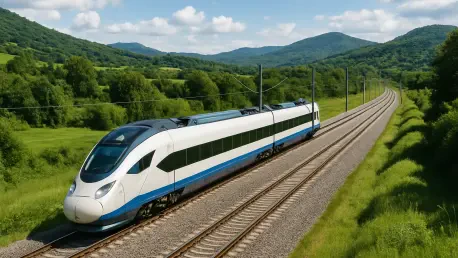

Planners are prioritizing the expansion of double-track sections to eliminate the logistical waiting times that currently inflate travel schedules across the country. This strategic focus serves as the backbone of a massive €6 billion investment cycle designed to modernize the national rail network by 2035. Managed by HŽ Infrastruktura and the Ministry of the Sea, Transport and Infrastructure, the program marks a shift from a historically underfunded system toward a high-capacity infrastructure that meets stringent European Union standards. At present, the 2,617-kilometer network faces significant hurdles, with over 160 kilometers currently out of service and hundreds more restricted by speed limitations due to aging components. By addressing these physical bottlenecks, the government intends to revitalize domestic connectivity and transform Croatia into a central logistics hub. This transition is essential for ensuring that rail transport becomes a viable, competitive alternative for both cargo and passengers within the regional market.
Performance Targets: Achieving Regional and International Connectivity
To align with Western European rail standards, the modernization program has established tiered performance targets based on the specific function of each line. International corridors are currently being upgraded to support maximum passenger speeds of 160 km/h, while regional routes are slated for 120 km/h and local lines for 80 km/h. Planners emphasize that raw velocity is only one component of the equation; the focus remains on functional speed, which is achieved by minimizing idle time at stations and junctions. By increasing the number of double-track sections, the system can accommodate simultaneous two-way traffic, effectively doubling the throughput capacity on critical arterial routes. This architectural rethink is designed to ensure that the time spent on the tracks is spent moving rather than waiting for oncoming trains to clear single-track bottlenecks. These upgrades represent a fundamental change in how the network operates, moving from a reactive maintenance model to a proactive, high-performance logistics standard.
A cornerstone of the current engineering effort is the development of the Lowland Railway, a strategic corridor that connects the Adriatic Port of Rijeka with the capital, Zagreb, and extends to the Hungarian border. One of the most critical segments, the Dugo Selo–Križevci line, is nearing completion after overcoming significant contractor delays and financial restructuring. Further north, the project extending from Križevci to the state border is entering its final technical phases, with advanced signaling and safety systems scheduled for integration by the 2026/27 timetable. Additionally, the €700 million reconstruction of the track between Hrvatski Leskovac and Karlovac remains a primary focus, as it is essential for the efficiency of the broader Rijeka-Zagreb link. These projects are not isolated improvements but are part of a synchronized effort to create a seamless transit corridor that facilitates international trade and domestic travel. The completion of these segments will solidify the network’s reliability and its ability to handle modern freight demands.
Fiscal Management: Navigating Economic Shifts and Infrastructure Costs
The financial commitment required for this transformation is unprecedented in the nation’s history, with current annual investment levels reaching five times the amount seen only a decade ago. For the immediate 2026–2028 window, approximately €1.4 billion has been earmarked for various projects, ensuring that the momentum of modernization remains steady across both international and regional lines. This funding strategy is designed to distribute the benefits of modern rail beyond the primary corridors, reaching smaller regional hubs that have long been neglected. However, maintaining this level of investment requires careful navigation of the current economic landscape, which has been influenced by shifting global market trends. By prioritizing the most impactful segments first, HŽ Infrastruktura aims to generate early economic returns that can help sustain the long-term viability of the €6 billion plan. This disciplined fiscal approach is necessary to ensure that the ambitious 2035 targets are met without compromising the state’s broader budgetary stability or delaying critical maintenance on existing lines.
Global volatility has presented several obstacles to the procurement and execution phases of these large-scale infrastructure projects. The ministry has acknowledged that international conflicts, material shortages, and post-pandemic economic shifts have complicated the logistics of obtaining specialized components and raw materials. These external pressures have occasionally forced planners to adjust timelines and renegotiate contracts to account for rising costs and supply chain disruptions. To mitigate these risks, there is a growing emphasis on diversifying suppliers and incorporating more flexible procurement strategies that can adapt to rapid market changes. Despite these challenges, the commitment to the 2035 vision remains firm, as the long-term economic cost of a stagnant rail system far outweighs the immediate difficulties of managing global inflationary pressures. The focus remains on building a resilient network that can withstand future economic shocks by providing a stable, energy-efficient alternative to road transport, which is often more susceptible to fuel price fluctuations and environmental regulations.
Implementation Challenges: Overcoming Bureaucracy and Operational Bottlenecks
Moving from the planning phase to physical construction has revealed several systemic hurdles that require ongoing administrative reform. A primary concern is the shortage of specialized rail engineers and designers, a gap that has slowed the preparatory phases for complex reconstruction projects. Furthermore, the intricacies of public procurement laws often lead to legal gridlock when competing contractors file appeals, causing significant delays before work can even begin on the ground. To address these issues, the government is looking at ways to streamline the approval process and enhance the capacity of the domestic workforce through targeted training initiatives. Property rights and the need to update outdated spatial planning documents also present bureaucratic challenges that require close coordination between local municipalities and national authorities. Overcoming these hurdles is vital for maintaining the pace of construction and ensuring that project timelines do not drift, which would increase the overall cost of the €6 billion modernization program.
The transition toward a unified 2035 vision required a systematic dismantling of antiquated administrative practices and the adoption of modern project management tools. Authorities prioritized the integration of European-standard signaling systems, which effectively bridged the technological gap between regional lines and international corridors. By successfully executing the first phases of the lowland route, the ministry demonstrated that coordinated state investment could stabilize the logistics sector despite global market volatility. Stakeholders focused on developing a sustainable financial model that balanced the needs of major trade routes with the necessity of local connectivity. These initiatives moved the country away from a reliance on road transport and toward a more efficient, multi-modal future. The completion of these early milestones established a robust framework for long-term maintenance, ensuring that the rail network remained a central pillar of the national economy for decades to come. Future considerations included the expansion of digital traffic management to further enhance the safety and speed of the entire transport system.