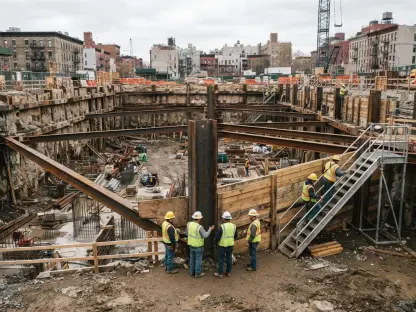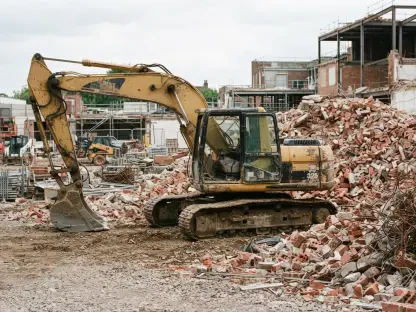

Transforming a relic of the late nineties into a carbon-neutral masterpiece requires more than just a fresh coat of paint; it demands a radical reimagining of how structural integrity meets modern energy efficiency. Deep retrofitting represents this fundamental shift, prioritizing the circular

The absence of a transparent public record regarding building safety makes it nearly impossible for tenants to assess the risks of their housing choices. As the urban landscape of New Delhi continues to swell under the weight of an ever-growing population, the frequency of structural failures has
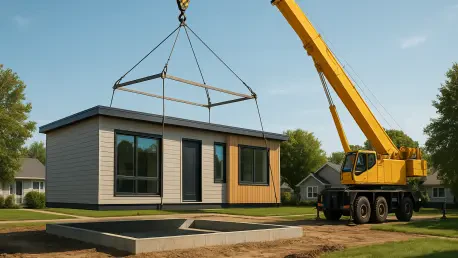
Builders are calling for more definitive and uniform federal guidelines to streamline the approval process and accelerate the delivery of factory-assembled housing units. As of 2026, the demand for affordable residential options has led to a major policy pivot centered on the 21st Century Road to
The expansion of the Right to Work regime introduces the concept of upstream liability, where a developer can be penalized for violations occurring several tiers deep. This regulatory shift, implemented by the Home Office, represents a fundamental departure from the previous model where legal

Gaps in communication regarding site boundaries and emergency procedures can lead to dangerous safety breaches where residents inadvertently enter hazardous construction zones. This reality underscores the shifting paradigm in the Scottish construction and remediation sector, where technical

Switching a timber roof system to aluminum can increase embodied carbon from approximately 591 kgCO2e to over 21,000 kgCO2e while improving recyclability scores. This striking contrast illustrates the fundamental dilemma modern architects face as they navigate the intersection of immediate