
Gaps in communication regarding site boundaries and emergency procedures can lead to dangerous safety breaches where residents inadvertently enter hazardous construction zones. This reality underscores the shifting paradigm in the Scottish construction and remediation sector, where technical prowess alone no longer guarantees a successful outcome. As of 2026, the industry is moving beyond a rigid focus on engineering specifications to embrace a more holistic management style that prioritizes the human element of fire safety. While material compliance and structural integrity remain foundational, the proactive engagement of stakeholders has emerged as a primary driver for risk mitigation. By understanding the intersection of occupant psychology and project logistics, developers can navigate the complexities of high-stakes facade remediation in occupied buildings. This evolution is necessary as the scale of building safety work grows, demanding a sophisticated approach that treats residents as partners rather than obstacles in the remediation journey. By placing the human factor at the center of the strategy, contractors can ensure that every phase of the project, from initial assessment to final inspection, proceeds with the full cooperation and understanding of those most impacted by the work.
Identifying and Neutralizing Operational Hazards
Neglecting the resident experience is a tangible operational hazard that often derails large-scale remediation projects before they can reach the halfway point. In a typical scenario where fire safety upgrades are being performed, residents face immense daily pressures, including the presence of sprawling scaffolding, the decommissioning of private balconies, and the loss of natural light. These disruptions create a high-friction environment where a single misunderstanding can lead to significant delays. When occupants are not properly briefed on the phased timeline of works, they may resist providing access to private units or outdoor spaces, forcing contractors to reschedule entire work blocks. This lack of coordination translates directly into financial losses, as labor costs mount while teams wait for access clearances. Furthermore, the psychological strain of living in a construction zone can lead to an increase in formal grievances, requiring extensive administrative oversight and distracting project managers from technical milestones that are essential for the project’s overall safety goals.
By adopting a “Remediation Together” philosophy, construction firms are now transforming communication into a strategic risk management tool rather than a mere courtesy. This proactive methodology shifts the role of the occupant from a passive bystander to an informed participant, which fosters a more predictable and stable work environment. When a resident understands the precise reason why a balcony must remain clear for three weeks, they are far more likely to cooperate with the site team’s requests. This alignment is critical in Scotland’s current legislative climate, where mandatory Compliance Plans require strict adherence to safety protocols. By bridging the gap between site activities and resident expectations, contractors can significantly reduce the likelihood of legal disputes and stop-work orders. Ultimately, this approach ensures that the project trajectory remains consistent, allowing for the timely delivery of life-safety improvements while maintaining the social fabric of the residential community during the construction period and long after the scaffolding has been removed.
Digital Transparency: The Foundation of the Golden Thread
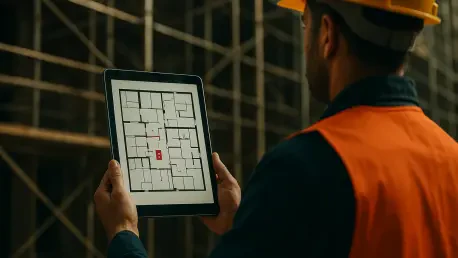
The concept of the “Golden Thread” has evolved into a cornerstone of modern building safety standards, representing a permanent digital record of information throughout a building’s lifecycle. However, as of 2026, industry experts recognize that this thread is functionally incomplete if it only documents physical materials and ignores the operational reality of the people within the walls. To address this, current remediation projects utilize digital Resident and Stakeholder Hubs that serve as real-time repositories for both technical data and resident communications. These online portals offer visual clarity through interactive site plans and live updates, enabling residents to see exactly how parking adjustments or crane movements will affect their morning routines. By providing a single source of truth, these platforms eliminate the confusion caused by conflicting verbal instructions or outdated paper flyers. This digital transparency is not just about convenience; it is a vital mechanism for ensuring that every safety notification is recorded and accessible to all relevant parties.
These digital platforms also function as a sophisticated translation tool, converting technical construction jargon into accessible language that the average homeowner can understand. For instance, explaining the necessity of a specific intumescent barrier or a non-combustible cladding fastener in plain English helps justify the intrusive nature of the work. Furthermore, since many property owners in large metropolitan developments may reside off-site or in other countries, 24/7 digital access ensures that all stakeholders remain synchronized. This level of transparency aligns perfectly with the requirements of the Building Safety Act, providing a verifiable audit trail that can be produced during safety inspections or property transfers. A notable application of this technology was observed during the St George’s Island project, where a digital hub managed communications for 400 occupied homes. Despite the complex and intrusive nature of the remediation, the project maintained its schedule because residents were continuously updated and empowered by the data provided through the centralized portal and its archives.
The Vital Role: The Resident Liaison Officer
While digital infrastructure provides the backbone for transparency, it cannot replace the necessity of human empathy and direct interaction in a residential construction context. The Resident Liaison Officer (RLO) has emerged as a role as critical to the project’s success as the site manager or lead engineer. Serving as the essential human bridge between the technical execution team and the residential community, the RLO is responsible for managing the daily social dynamics of the construction site. This involves hosting regular drop-in Q&A sessions to demystify the remediation process and addressing the specific concerns of vulnerable residents who may be more sensitive to noise or changes in building access. By providing a face to the project, the RLO builds a foundation of trust that digital tools alone cannot achieve. This personal connection is often the deciding factor in whether a resident complies with difficult site requirements or chooses to obstruct the work, making the RLO an indispensable asset for maintaining the project’s forward momentum during high-pressure phases.
When residents feel that their personal needs are being considered, they are significantly more inclined to support the logistical demands of the project, such as adhering to revised pedestrian routes or clearing personal items from balconies on schedule. These seemingly minor actions are essential for maintaining a safe and efficient job site where technical teams can work without interruption. The RLO prevents minor grievances from escalating into major delays by managing immediate logistical issues on the ground, such as coordinating deliveries or assisting with temporary relocations. This human-centric approach allows the specialized technical staff to focus entirely on remediation delivery rather than being bogged down by preventable social friction. By fostering a culture of mutual respect, the RLO ensures that the remediation process is viewed as a shared goal rather than a top-down imposition. This social stability is a key component of risk mitigation, as it minimizes the volatility that often plagues complex urban construction projects in densely populated residential blocks.
Strategic Integration: Ensuring Long-Term Success
The overarching lesson for the modern remediation sector is that technical excellence and robust human engagement are not separate disciplines but rather a synergistic pair. Successful building safety programs in the current landscape depend on a dual-track approach where the technical “Golden Thread” is interwoven with the compassionate “human factor” of clear communication. This integration ensures that safety information is not just stored in a database but is actively used to empower the community and enhance site safety. By aligning stakeholder engagement with new building safety frameworks, contractors can ensure that their projects are both compliant and socially sustainable. This strategy moves beyond mere risk avoidance and toward the creation of value for all parties involved, including the developers, property managers, and the families who call these buildings home. The result is a more resilient built environment where safety is a collective priority, and the path to achieving it is paved with transparency and mutual cooperation among all stakeholders.
In conclusion, the success of massive remediation programs across the country was ultimately defined by more than just the removal of hazardous materials. The industry’s legacy was established by its ability to maintain the safety and dignity of residents throughout a period of significant upheaval. By embedding early engagement into the core of project delivery, contractors transformed potentially adversarial situations into collaborative partnerships that protected both budgets and reputations. Looking ahead, the focus must remain on refining these engagement strategies to address the evolving needs of urban communities. The industry should continue to invest in specialized training for liaison staff and the development of even more intuitive digital tools to keep stakeholders informed in real-time. As the remediation effort continues to scale, these lessons in human-centric management will serve as the blueprint for all future building safety initiatives, ensuring that the drive toward a safer built environment was characterized by efficiency, empathy, and a lasting commitment to well-being.