
A 62-year-old man faces arson charges after a high-risk blaze at a Toronto Seniors Housing Corporation building reignited fears about the safety of local residents. The early morning hours of July 10, 2026, transformed a quiet residential complex near Victoria Park and Eglinton Avenue East into a scene of urgent emergency response as a deliberate fire took hold on the ninth floor. Although the fire crews acted with remarkable speed to suppress the flames, the event left two elderly women hospitalized and eighteen residential units uninhabitable due to severe smoke and water damage. This harrowing incident served as a painful reminder of a similar tragedy at the same complex four years ago, leading the community to question whether the lessons of the past were truly integrated into current safety protocols. For many, the sight of fire trucks returning to a facility designed for vulnerable citizens sparked a deep sense of unease regarding the adequacy of protective measures in public housing.
Assessing Criminal Accountability and Security Lapses
The legal system prioritized the prosecution of the individual allegedly responsible for this endangering act, yet the details of the case have raised significant concerns among safety experts. Herbert Ward, a 62-year-old man with no fixed address, currently faces a series of serious charges, including arson that caused a direct threat to human safety. Perhaps more telling are the three additional counts of disobeying lawful court orders, which suggested a documented history of legal non-compliance that should have theoretically placed him on the radar of security personnel. The fact that an individual with such a background could enter a high-density seniors’ facility in the middle of the night points toward a systemic failure in perimeter control and visitor management. Families of the residents are now demanding transparency regarding how unauthorized individuals are screened before they enter spaces housing those with limited defense capabilities today.
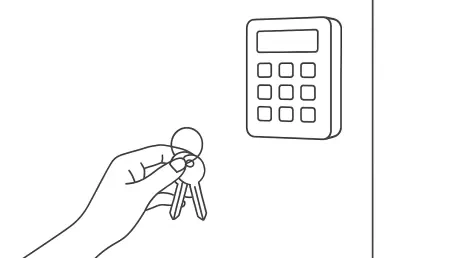
Beyond the specific criminal charges, this breach highlights a broader crisis in institutional oversight where physical fire safety meets human security management. The presence of modern fire suppression systems like sprinklers and smoke detectors is insufficient if the entry points remain a vulnerability that can be bypassed by those intending harm. In response, housing advocates are calling for the implementation of advanced access control technologies, such as biometric scanners or smart key fobs, which provide real-time tracking of who enters and exits the premises. However, these technological solutions must be balanced against the residents’ rights to maintain a sense of home rather than living in a high-security institution. The debate now centers on whether housing providers have focused too heavily on reactionary fire response rather than proactive security measures that could prevent a bad actor from ever setting foot inside a residential hallway.
Future Trends in Senior Safety and Emergency Planning
The Scarborough arson incident was a catalyst for a fundamental shift in how families approached the safety of their elderly relatives in high-density housing. It became clear that relying solely on centralized building systems was insufficient during high-stress criminal acts, leading to the widespread adoption of Personal Emergency Plans. These customized strategies involved families identifying specific exit routes, maintaining go-bags with essential supplies, and establishing communication trees that functioned even if local power or cellular networks failed. Moving forward, the trend shifted toward a requirement for housing providers to offer annual safety consultations for each unit, ensuring that every resident understood their specific role during an alarm. This granular approach to safety recognized that a one-size-fits-all evacuation plan was no longer viable in an era where security threats were as varied as the residents themselves, placing more power directly into the hands of those at risk.
Policy experts recommended that the provincial government implement stricter licensing requirements for senior housing managers, mandating specialized training in both fire prevention and modern security protocols. This included a call for mandatory, independent safety audits every six months, with the results made publicly available to current and prospective residents to ensure total transparency. For individuals seeking safe housing, the most effective path involved conducting a thorough walkthrough of any potential facility to verify the presence of working sprinklers, secured entry points, and clear signage. Inquiries were also made regarding the frequency of staff training and the specific measures in place for residents with mobility issues. By prioritizing facilities that demonstrated a commitment to these rigorous standards, families took active steps to mitigate the risks highlighted by the Scarborough blaze. The focus moved beyond survival toward a standard where peace of mind was guaranteed.