
The upcoming Marshall Street Water Improvement Project may extend to High Street if the initial bidding process for the first phase remains within the city’s budget. This potential expansion served as a cornerstone of the Minden City Council session held on Monday, November 2, where Mayor Nick Cox and local officials addressed a complex array of administrative and safety priorities. Throughout the evening, the council navigated a series of pivotal decisions aimed at fortifying the city’s physical and digital landscapes for the 2026-27 fiscal year. The proceedings were not merely administrative but rather a strategic alignment of community needs with available state and federal resources. By focusing on both immediate repairs and long-term modernization, the leadership sought to ensure that Minden remains a resilient hub in a rapidly changing regional economy. This meeting underscored a broader commitment to transparent governance while tackling the multifaceted challenges of aging utility systems and evolving public safety requirements.
Financial Stability and Local Economic Growth
A major focus of the session involved critical adjustments to the 2026-27 municipal budget to account for carryover projects and shifting revenue streams. The council approved significant financial allocations totaling $636,330 for essential street overlay work and an additional $78,029 specifically for enhancements along Industrial Drive. These figures demonstrate a clear prioritization of the city’s transportation network, which remains vital for both residential travel and industrial logistics. Furthermore, $165,710 was set aside for water main improvements, reflecting a proactive stance on utility maintenance that prevents more costly emergency repairs in the future. City Clerk Melaney Sanders provided a positive fiscal update, noting that sales tax collections for August rose by 8.3% compared to the previous year. This growth resulted in over $746,000 in revenue, providing the financial flexibility required to execute these infrastructure upgrades without compromising other services.
Beyond the immediate budgetary shifts, the economic trajectory of Minden appears increasingly robust, fueled by a resurgence in local consumer spending and commercial activity. The reported increase in tax revenue suggests that the city is effectively capturing growth from regional trade and tourism, which in turn feeds the municipal general fund. This financial influx is slated for redistribution into high-impact community projects, including the revitalization of local business corridors and the enhancement of public parks. The council’s strategy involves leveraging these local funds as matching contributions for state-level grants, effectively multiplying the purchasing power of every tax dollar collected. By maintaining a healthy reserve and directing surpluses toward capital improvements, the city is building a buffer against potential economic volatility. This fiscal discipline ensures that essential services remain uninterrupted while the city pursues an agenda of modernization and physical repair.
Utility Infrastructure and Public Safety Hires
Infrastructure resilience remained a central theme as the council authorized two resolutions concerning the Robertson Lift Station. Mayor Cox was granted authority to enter into a formal agreement with the state for planning and construction at this facility, supported by a $125,000 state grant dedicated to a new backup generator. This investment is crucial for maintaining the integrity of the city’s wastewater system during severe weather events or unexpected power grid failures. Simultaneously, the council initiated the bidding process for the Marshall Street Water Improvement Project, which is backed by a $250,290 state appropriation. The primary objective is to replace outdated water lines extending from Fourth Street to Goodwill Road, a move that enhances water quality and pressure for local residents. These utility projects represent a systematic effort to modernize the city’s aging backbone, ensuring that the municipal services can reliably support current demand and future development.
Public safety staffing and operational efficiency were addressed through the unanimous approval of three new full-time personnel positions. The appointment of police officers Jon Gaskins and Jeremiah Carroll, along with firefighter Mason Lewis, signifies the council’s dedication to maintaining robust emergency services. These hires are part of a broader strategy to ensure that response times and service quality remain high as the city experiences economic growth. Fire Chief Brian Williams reinforced this commitment by presenting an exhaustive annual report detailing the department’s activities from late 2025 through the current year. The report highlighted nearly 5,000 hours of specialized training logged by department personnel, alongside the management of 381 emergency calls. Such rigorous preparation is essential for maintaining order and safety in a community that prides itself on its reliable emergency infrastructure and the professionalism of its first responders.
Protection Standards and Digital Resilience
A particularly impactful development discussed during the meeting was the potential improvement of Minden’s fire protection rating. Chief Williams outlined the progress made toward shifting the city from a Class 3 to a Class 2 rating, a change that requires meticulous documentation and equipment upgrades. This improvement is not merely a matter of prestige; it carries direct financial benefits for the community by potentially lowering homeowners insurance premiums. By coordinating with neighboring districts and enhancing internal protocols, the department has achieved these milestones with minimal additional cost to the taxpayers. The council recognized that such efficient management directly improves the quality of life for residents by providing better protection while simultaneously reducing their cost of living. This focus on high-performance public service illustrates a sophisticated approach to municipal management where operational excellence and fiscal responsibility are treated as complementary goals.
In the realm of modern governance, digital security has become as vital as physical infrastructure, leading the council to approve two cybersecurity grants totaling $235,858. These funds, secured from the Governor’s Office of Homeland Security and Emergency Preparedness, are intended to replace obsolete hardware and fortify the city’s digital networks against emerging threats. The IT department spent eight months pursuing these resources, which operate on a reimbursement basis and cover a substantial portion of the implementation costs. Mayor Cox noted that as city operations increasingly rely on digital platforms for communication and record-keeping, the risk of data breaches or system failures grows proportionately. By investing in advanced cybersecurity measures now, Minden is taking a defensive posture that protects sensitive municipal data and ensures the continuity of essential services. This proactive technological stance positions the city as a regional leader in adopting modern safety standards.
Community Identity and Legislative Governance
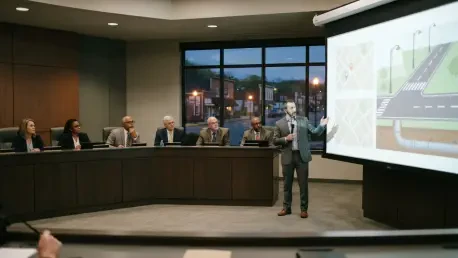
Legislative action took a more contentious turn during the deliberation of a new ordinance regulating the placement and operation of sexually oriented businesses. The council moved to restrict such establishments to B-4 Highway Commercial zones and mandated a 1,500-foot buffer from sensitive areas like schools, churches, and residential neighborhoods. While the ordinance passed, it was preceded by a debate regarding the clarity of the restrictions and their impact on local real estate. Councilman Carlton Myles suggested that a more detailed visual map was necessary to understand the practical implications of these boundaries before making a final decision. Despite these concerns, the majority of the council felt that establishing a protective regulatory framework immediately was a higher priority than further delays. The discussion highlighted the ongoing challenge of balancing individual property rights with the city’s mandate to uphold community standards and protect the character of neighborhoods.
The meeting also focused on Minden’s cultural legacy and upcoming community initiatives, marking a transition toward increased civic engagement. Governor Jeff Landry provided an official commendation to the city in honor of its 190th anniversary, celebrating its founding in 1836 and its enduring role as a hub for regional commerce. Mayor Cox accepted this recognition on behalf of the citizens, framing the historical milestone as a testament to the community’s resilience and forward-looking spirit. In the wake of these administrative successes, the council encouraged residents to participate in the upcoming local elections and attend seasonal events like the Wings and Wheels Fly-In. This celebratory atmosphere served to bridge the gap between the town’s historical identity and its modern aspirations. The city leadership emphasized that maintaining a strong sense of community heritage was just as important as the physical and digital upgrades approved earlier in the session.
The strategic initiatives finalized during this session established a comprehensive framework for the city’s continued evolution and long-term stability. By addressing both the underlying utility infrastructure and the emerging needs of digital security, the council moved beyond simple maintenance toward a strategy of resilience. The potential reduction in insurance costs and the influx of state grants provided tangible evidence that proactive management yielded significant economic benefits for the taxpayers. Moving forward, the city leadership prioritized the swift implementation of these water and safety projects to ensure that all grant deadlines were met efficiently. Furthermore, the commitment to regular software audits and continuous personnel training remained a core focus for the upcoming quarters. These actions collectively reinforced Minden’s position as a well-governed municipality that prioritized the safety and financial health of its residents while remaining adaptable to future technological shifts.