
JLL’s successful arrangement of construction financing for the Plaza Companies partnership marks a turning point for hospitality development in the North Phoenix corridor. This $70.85 million injection, orchestrated by JLL Hotels & Hospitality Group, paves the way for the ambitious “Hotel Six Four, Mayo Blvd” project. Situated on 8.15 acres, this development represents a collaborative effort between Plaza Companies and Fayth Hospitality to address the evolving needs of one of the fastest-growing regions in the Southwest. The initiative is not merely a construction effort but a strategic response to the surging demand for sophisticated lodging options near the Mayo Clinic campus. By providing a dual-branded solution, the developers are ensuring that the local market can accommodate a diverse range of visitors, from medical tourists to high-level corporate executives. The project stands as a testament to the institutional confidence in the North Phoenix area, which is rapidly becoming a premier destination for healthcare investment. The facility will eventually feature 257 rooms, offering a blend of luxury and utility that is currently absent from the immediate vicinity. Its arrival is timed to coincide with a broader expansion of the regional innovation district.
Strategic Integration of Dual-Branded Hospitality
Boutique Appeal: The Tapestry Collection Experience
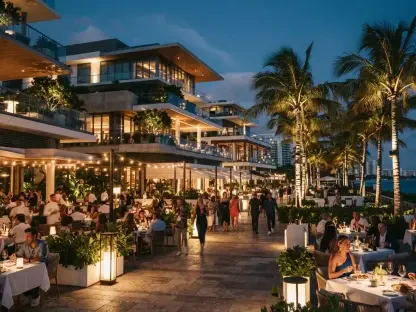
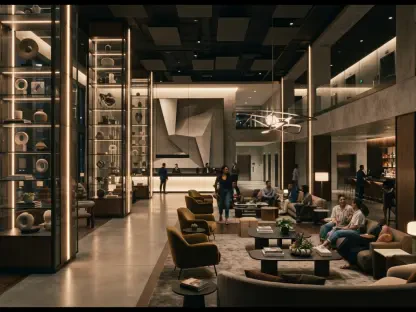
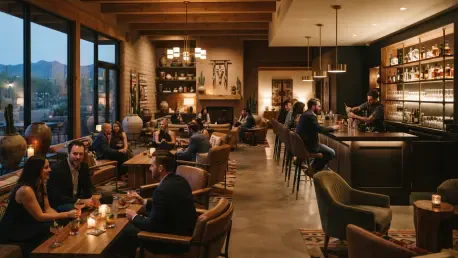
The inclusion of the Tapestry Collection by Hilton introduces 133 keys designed to deliver a unique, locally inspired guest experience that moves away from the traditional, cookie-cutter hotel model. Each room is curated to reflect the vibrant culture and upscale atmosphere of the surrounding North Scottsdale area, offering a boutique feel backed by the reliability of the global Hilton brand. This segment of the development targets travelers seeking authenticity and high-quality service, providing a sophisticated home base for those attending major events at the TPC Scottsdale or exploring the luxury retail offerings at Kierland Commons. Beyond the guestrooms, the Tapestry side of the hotel features over 2,500 square feet of modern meeting space, designed to attract regional conferences and corporate retreats. This focus on premium amenities ensures that the property remains competitive in a market that increasingly values experiential travel over standard lodging. The upscale restaurant and craft cocktail bar will further enhance the site’s appeal, serving as a social anchor for both hotel guests and local residents seeking refined dining options. High-end fitness centers and an outdoor pool complete the lifestyle package, making it a versatile destination for short-term stays.
Residential Comfort: Homewood Suites and Patient Care Support
Complementing the boutique nature of the Tapestry Collection is the 124-key Homewood Suites by Hilton, which specializes in residential-style accommodations for guests requiring longer stays. These units are equipped with full kitchens and separate living areas, making them an essential asset for patients and families visiting the nearby Mayo Clinic for extended treatments. The ability to provide a comfortable, home-like environment within walking distance of one of the nation’s leading medical facilities is a critical component of the project’s strategy. Furthermore, this portion of the facility serves the needs of researchers and visiting medical professionals who contribute to the local bioscience economy. By offering a product that balances the comforts of home with the professional services of a top-tier hotel, the Homewood Suites segment stabilizes the property’s occupancy rates throughout the year. This dual-brand approach allows the partnership to maximize land use while addressing two distinct but equally vital market segments in a single, cohesive development. The shared infrastructure, including the recreational amenities, ensures that extended-stay guests do not have to sacrifice quality for functionality. It is a calculated move that addresses a clear gap in the current lodging inventory.
Economic Catalyst in the Innovation District
Strategic Location: Proximity to Global Corporate Hubs
The geographical placement of Hotel Six Four within the North Phoenix corridor provides unparalleled access to major demand generators that are fueling the region’s economic expansion. Positioned near the intersection of the Loop 101 and Mayo Boulevard, the hotel is perfectly situated to serve the massive employee bases of nearby corporate giants like American Express and Axon Enterprise. As these organizations continue to expand their footprints, the demand for high-quality lodging for visiting executives and relocating employees has reached an all-time high. Additionally, the proximity to the Discovery Oasis life sciences campus underscores the project’s role as vital infrastructure for the burgeoning innovation district. This area is witnessing a significant influx of institutional capital, transforming it into a primary hub for global business and advanced healthcare operations. The hotel development acts as a catalyst for further growth, providing the necessary hospitality support to sustain the long-term evolution of this critical employment center. Proximity to high-end entertainment hubs like Desert Ridge Marketplace ensures that the area remains attractive for both business and leisure. It represents a synergy between commercial necessity and lifestyle convenience that few other sites can offer.
Regional Evolution: Future Insights and Infrastructure Impact
The successful realization of the financing for Hotel Six Four demonstrated the critical importance of aligning hospitality infrastructure with specialized local industries like healthcare and bioscience. Developers prioritized flexible lodging models that catered to both the high-end traveler and the long-term medical guest, effectively mitigating the risks associated with market fluctuations. This project highlighted how strategic partnerships between financial institutions and experienced developers could unlock the potential of high-growth corridors during periods of institutional expansion. Looking ahead, investors recognized that future developments in North Phoenix had to integrate lifestyle amenities—such as the upscale restaurant and craft cocktail bar found here—to remain relevant in a competitive landscape. The integration of recreational facilities like the fitness center and outdoor pool further established the site as a comprehensive destination rather than a mere transit point. Stakeholders realized that high-quality lodging was not just a luxury but a necessary component of the regional economic engine. Ultimately, the development provided a blueprint for how urban planning supported large-scale medical and corporate campuses by ensuring that the necessary lodging and social infrastructure were firmly in place.