
On September 10, 2026, the formation of a strategic alliance in Seoul signaled a decisive shift toward the practical on-site application of low-carbon materials in the building sector. This unprecedented collaboration brings together leaders from the cement, ready-mix, and construction industries to confront the environmental impact of traditional building materials. For decades, the construction industry has relied on carbon-intensive processes, but the current climate demands an immediate transition to sustainable alternatives. The symposium held in the capital underscored that theoretical discussions regarding green technology must now evolve into concrete, scalable actions. By uniting these three critical sectors, the alliance aims to streamline the entire production lifecycle, ensuring that carbon-neutral goals are met with technical precision and economic viability. This movement is not just about environmental compliance; it is about securing the future competitiveness of the national infrastructure industry in an increasingly regulated global market. As urbanization continues to accelerate, the need for a cohesive strategy to mitigate the carbon footprint of concrete—the most widely used man-made material—has never been more urgent for city planners and engineers alike.
Material Transformation: Transitioning Toward Eco-Friendly Systems
Supply Chain Synergy: Innovation in Low-Carbon Production
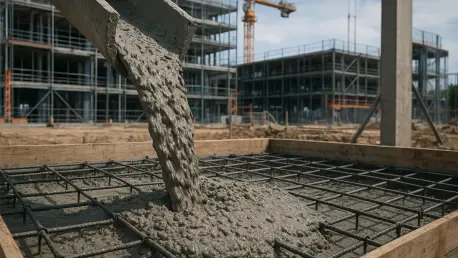
The cement industry stands at a crossroads, where the reduction of clinker usage has become the primary focal point for lowering greenhouse gas emissions. Clinker production is notoriously energy-intensive, responsible for the vast majority of the sector’s carbon output. To address this, manufacturers are increasingly incorporating supplementary cementitious materials, such as fly ash and slag, into their blended cement products. These additions not only reduce the environmental burden but also enhance the long-term durability of the concrete. However, the successful integration of these low-carbon materials requires a fundamental shift in how ready-mix plants operate. These facilities must now develop more sophisticated mix designs that can accommodate the unique chemical properties of alternative binders without compromising structural performance. Achieving this balance is essential for ensuring that eco-friendly buildings remain as safe and resilient as their traditional counterparts. Furthermore, the alliance plans to refine these mixtures to ensure they meet the specific geographic and climatic demands of various construction sites.
Operational Excellence: Practical Application in Ready-Mix Facilities
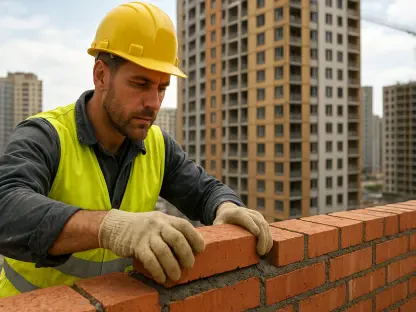
Moving low-carbon materials from the laboratory to the construction site involves navigating a complex web of logistical and technical challenges. Ready-mix concrete producers play a pivotal role in this transition, acting as the bridge between material science and physical assembly. For these companies, the implementation of new standards means investing in advanced quality control protocols that can monitor the consistency of green concrete in real-time. On the other side of the equation, the construction industry must modernize its on-site management practices to handle these materials effectively. This includes updating curing times and handling procedures that may differ from conventional methods. By fostering a culture of technical transparency, the alliance ensures that every stakeholder in the supply chain understands the specific requirements of low-carbon products. This coordinated approach minimizes the risk of structural defects and builds confidence among developers and the public. As these protocols become standardized, the industry expects a significant reduction in waste and a boost in overall project efficiency.
Strategic Governance: Navigating Regulatory and Technological Growth
Policy Alignment: Modernizing Industrial Standards for Innovation
One of the most significant barriers to the widespread adoption of low-carbon concrete is the current state of institutional frameworks and industrial standards. Experts at the Seoul symposium highlighted a widening gap between rapid technological advancements and the rigid Korean Industrial Standards (KS) that govern construction today. Many carbon-reducing technologies have already proven their efficacy in controlled demonstration phases, yet they remain excluded from large-scale projects due to outdated specifications. To overcome this, there is a collective push for the government to introduce more flexible and performance-based regulations that allow for material innovation. The proposed establishment of a standing council serves as a vital step toward bridging this gap, providing a dedicated platform for continuous dialogue between industry leaders and policymakers. By advocating for realistic standards, the alliance seeks to create a regulatory environment where sustainable materials can compete fairly. This reform is crucial for accelerating the commercialization of new binders that offer both high performance and a lower environmental footprint.
Performance Validation: Data-Driven Structural Integrity Standards
The focus on data-driven research and development provided a clear roadmap for ensuring the structural integrity of next-generation infrastructure. The alliance successfully established a robust system for accumulating performance data at every stage of the process, from material manufacturing to the final application on-site. This data proved that low-carbon concrete, when combined with specialized admixtures, maintained the same compressive strength and reliability as traditional cement. The integration of carbon capture technology into the manufacturing process emerged as a key solution for producing high-value advanced materials. Stakeholders committed to establishing a collaborative framework that bridged the gap between engineering theory and site-specific logistics. By focusing on data transparency and the modernization of standards, the alliance provided a clear path for the broad implementation of low-carbon concrete. The symposium concluded with a definitive move toward a sustainable infrastructure model that prioritized both environmental responsibility and structural resilience. This unified front signaled that the building sector was no longer operating in isolation.