
The recent structural failure in Satya Niketan has left Delhi University students grappling with the realization that their private housing may be fundamentally unsafe. This catastrophic event, which claimed seven lives, has sent shockwaves through the academic community, particularly among those residing in high-density pockets near the South Campus. The disaster serves as a grim reminder of the structural vulnerabilities inherent in the rapidly constructed residential hubs that cater to tens of thousands of out-of-state learners. For many, the dream of obtaining a degree from a prestigious institution is now overshadowed by a visceral fear of the very buildings they call home. This pervasive sense of insecurity is not merely a reaction to a single incident but a response to years of unchecked urban expansion. Students are now forced to navigate a landscape where safety is often sacrificed for proximity to lecture halls. The psychological weight of this environment is profound, as minor structural sounds or hairline wall cracks now trigger immediate anxiety, disrupting the focus required for rigorous university coursework throughout the city.
Structural Vulnerability and Student Well-being
The Psychological Burden: Anxiety and Financial Entrapment
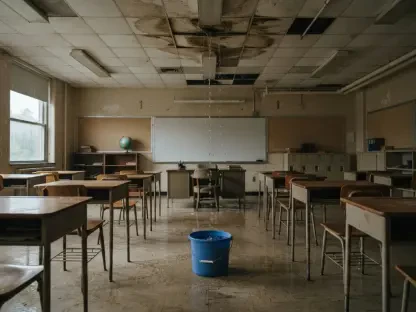
The trauma of witnessing such a collapse has transformed the daily lives of residents into a series of difficult negotiations between personal safety and financial survival. Many students report that they are stuck in a cycle of constant vigilance, where even the sound of a heavy door closing can provoke sudden panic. Moving out of these hazardous environments is not a simple feat, as it involves significant financial hurdles that most young adults cannot clear alone. Students frequently encounter rigid landlords who refuse to return hefty security deposits or demand high brokerage fees for new placements in safer neighborhoods. This economic entrapment forces many to remain in buildings with visible signs of decay, such as leaking ceilings and unstable balconies. The burden is particularly heavy for those from lower-income backgrounds who cannot afford a sudden move. Consequently, the choice between academic continuity and physical safety has become a defining conflict for the current school year, leaving many young scholars in a state of paralysis as they weigh the risks of staying against the costs of fleeing.
Academic Continuity: The Impact of Forced Relocation
Beyond the immediate psychological impact, the housing crisis has triggered a cascade of academic disruptions that threaten the educational progress of a significant portion of the student body. Relocating mid-semester is a logistical nightmare that often results in missed lectures, delayed assignments, and poor performance in examinations. Some students have even chosen to return to their hometowns, attempting to attend classes remotely or through hybrid models, which often lack the depth and engagement of in-person instruction. This exodus from the South Campus area has fragmented the student community and strained the university’s internal support systems. The loss of a stable living environment directly correlates with a decline in research productivity and campus engagement. As students spend their time searching for certified safe housing rather than focusing on their studies, the long-term impact on their career trajectories becomes a growing concern. The institutional response must therefore address not only the physical infrastructure but also the academic toll that this instability has taken on the current generation.
Regulatory Reforms and Institutional Accountability
Government Oversight: Mandatory Licensing and Inspections
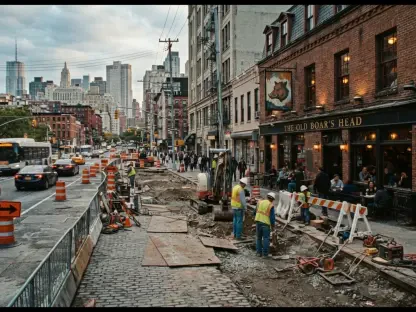
In the wake of this disaster, the Delhi government has prioritized the creation of a stringent regulatory framework to govern the private rental market. This initiative involves a massive inspection drive across Satya Niketan and surrounding neighborhoods to identify and shut down unauthorized or structurally unsound properties. A new licensing mandate has been introduced, requiring all paying guest operators to obtain fire safety certifications and structural stability reports from registered engineers. To bridge the information gap, authorities are developing a centralized digital portal where students can verify the legal status and safety ratings of any accommodation before signing a lease. This move aims to eliminate the information asymmetry that has long allowed unscrupulous landlords to exploit vulnerable tenants. By making police verification and safety compliance public, the government intends to foster a market where transparency is the norm. This shift is essential to restoring faith in the capital’s ability to host its vast student population safely and humanely during their studies.
Systemic Recovery: Implementing Long-term Housing Solutions
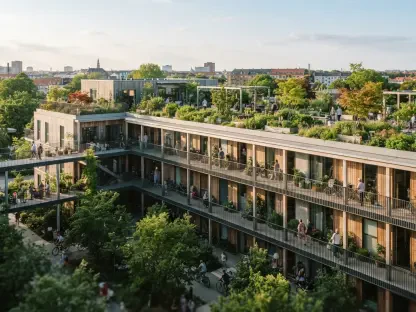
The 18-member committee established after the incident moved swiftly to address the housing deficit by identifying vacant government buildings suitable for conversion into official hostels. These properties were renovated to meet modern safety standards, providing a secure alternative to the unregulated private sector. By late 2026, the implementation of the new safety portal successfully listed over five hundred verified accommodations, significantly reducing the risks for incoming scholars. The regulatory overhaul punished those who prioritized profit over human life and established a precedent for urban safety management. Educational institutions collaborated with city planners to ensure that student welfare was integrated into the city’s broader development strategy. This collective effort redirected the focus toward sustainable and safe urban living, ensuring that the lessons learned from the Satya Niketan tragedy were not forgotten. Ultimately, the systematic changes implemented during this period created a more resilient environment, where the focus remained on academic excellence rather than structural integrity.