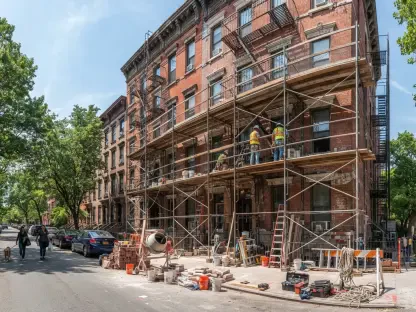
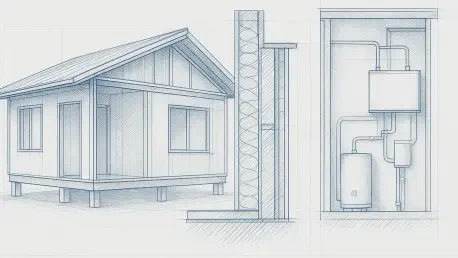
Expanding the federal safety and construction framework to include larger-scale residential buildings could significantly increase the density of affordable housing units in urban areas. This initiative, formalized under the Next Generation Manufactured Housing Action Plan, represents the most

Ongoing competition for a limited workforce between energy projects and the residential sector is now being complicated by new administrative restrictions from the tax office. This development comes as the Australian construction landscape faces a bottleneck, with national housing targets appearing
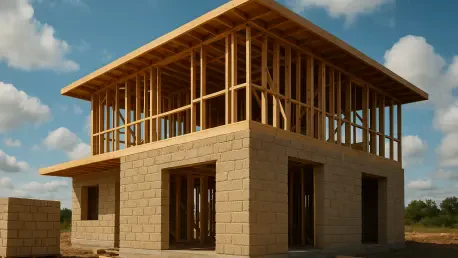
By utilizing inexpensive fertilizer chemistry, researchers have successfully doubled the strength of a carbon-negative building material without increasing its weight or density. This development arrives at a pivotal moment as the global construction sector faces intensified pressure to transition

The city of Boston is currently negotiating with developers to unlock more than 4,000 housing units by offering more flexibility in how public infrastructure costs are managed. This policy shift represents a departure from traditional bureaucratic hurdles that have historically slowed urban growth,

A successful speculative home moves beyond the showroom aesthetic by layering sensory interests such as linen drapery, leather accents, and brass hardware that are designed to age gracefully. Building a home without a specific buyer in mind often leads to a generic, clinical aesthetic that lacks
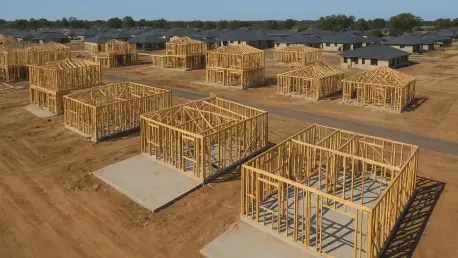
A critical shortage of residential construction has resulted in a $45 billion loss to the national economy while depriving the government of $11 billion in tax revenue. This stark reality underscores the widening chasm between the Albanese government’s ambitious National Housing Accord and the