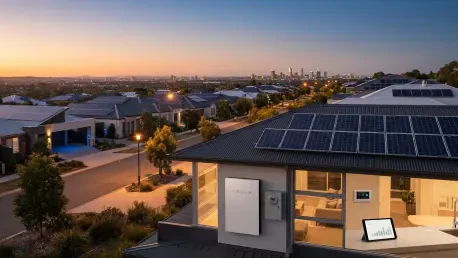

Revenue from smart battery systems surged by nearly 400% in a single year, highlighting a major shift toward decentralized energy storage in residential areas. This astronomical growth is transforming the Australian domestic landscape from a collection of isolated gadgets into a sophisticated network of energy-producing assets. As of today, the market is on track to exceed AUD $11 billion, with 86% of homes incorporating at least one smart device. This evolution signifies more than just a trend; it represents a structural change in how households prioritize resilience. While early adopters once focused on lighting and voice assistants, the current focus has shifted toward high-stakes utility management. Australians are no longer just buying smart speakers; they are installing integrated ecosystems designed to handle power consumption and generation. This movement underscores a nationwide push toward energy independence, where the home acts as a mini-utility that helps mitigate rising living costs.
The New ErDomestic Energy Integration
The primary catalyst for this financial explosion is the rapid convergence of solar power, smart batteries, and electric vehicles within the suburban landscape. With approximately 40% of Australian residences already utilizing rooftop solar, the logical progression has moved toward storage solutions that allow homeowners to capture and use electricity during peak hours. This energy ecosystem is increasingly bolstered by the presence of roughly 500,000 electric vehicles on local roads, creating a massive demand for wall chargers and software capable of balancing a vehicle’s power draw with the rest of the home’s needs. These systems are becoming the central nervous system of the modern household, coordinating complex tasks like off-peak charging and discharge cycles to maximize savings. As a result, the domestic energy sector has become the dominant force in the smart technology market, overshadowing traditional entertainment and convenience categories with a heavy focus on long-term efficiency and grid stability.
Despite broader economic pressures felt by over half of the population, Australian households are significantly increasing their dedicated budgets for smart technology. This behavior suggests that consumers view these systems as a strategic hedge against inflation rather than a luxury purchase. The average smart home budget has reached over $3,500, as families prioritize upfront costs for high-efficiency upgrades that promise substantial long-term utility savings. This shift in spending habits indicates that the motivation for high-tech adoption has become primarily economic. Households are willing to invest in expensive hardware like smart thermostats and load-shedding controllers because they provide a tangible return on investment through reduced bills. The traditional view of the smart home as a place for simple convenience is being replaced by a pragmatic vision of the house as an efficient financial asset that manages daily expenses effectively in an uncertain economic climate, ensuring better financial predictability for families.
Automated Lifestyles: The Rise of Smart Appliances
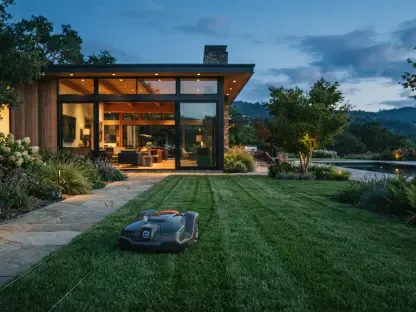
Beyond the energy sector, the smart lifestyle and appliance category is experiencing a renaissance, fueled by a desire for total automation in home maintenance. Robotic vacuums, lawn mowers, and window cleaners are no longer seen as novelties but as essential tools for reclaiming personal time. This category is projected to see a 21% compound annual growth rate as manufacturers improve the navigation and durability of these autonomous machines. Homeowners are looking for ways to automate mundane tasks, extending the reach of smart technology from the kitchen to the garden. This trend is evident in the growth of smart irrigation systems and outdoor security, which integrate with existing networks to provide a comprehensive management solution. As these devices become more capable, they are being integrated into larger automation routines that allow the home to maintain itself with minimal human intervention, further cementing the technology’s role as a cornerstone of the modern Australian domestic lifestyle and increasing property value.
As home technology became increasingly complex—particularly with the integration of solar and battery hardware—the demand for professional installation services saw a massive surge. There is a clear move away from the “do-it-yourself” approach, with a vast majority of consumers now stating they value expert advice and professional setup. Revenue from installation services rose by nearly 90% last year, reflecting the reality that modern systems require more than just a Wi-Fi connection to function correctly. Professional installers provide the necessary expertise to ensure that components, such as electric vehicle chargers and backup batteries, work together safely. This maturation of the market indicates that reliability and professional-grade performance became more important to the average user than the novelty of the gadgets. Consequently, the industry saw a rise in specialized technicians who focus solely on smart home optimization, ensuring long-term functionality for the user while maintaining strict adherence to local electrical safety standards and building codes.
Technical Hurdles: Managing Interoperability and Intelligence
Technical hurdles still persist regarding interoperability, as many users struggle to get devices from different brands to communicate seamlessly. Approximately two-thirds of users report difficulty with cross-brand integration, a problem that industry standards like Matter were supposed to solve but have yet to penetrate the public consciousness effectively. Most Australians still rely on direct smartphone control or specific manufacturer apps rather than centralized hubs, leading to a fragmented user experience. This fragmentation highlights a critical need for better communication between manufacturers to ensure that the smart home environment remains user-friendly. Without a unified standard that is widely recognized and easy to implement, the potential for a truly integrated smart ecosystem remains somewhat stifled. Manufacturers are now under pressure to simplify their interfaces and provide better out-of-the-box compatibility to prevent consumer frustration from slowing down the market’s expansion over the next several years.
In conclusion, the relationship between Australians and artificial intelligence evolved significantly as users began trusting AI to manage home systems more efficiently than humans. While roughly 70% of households believed AI could optimize energy and security better than manual adjustments, this trust remained conditional on privacy and oversight. To address these concerns, the industry focused on developing transparent security protocols and user-controlled automation frameworks. Moving forward, homeowners should prioritize devices that adhere to open communication standards and offer local data processing to ensure maximum security. Manufacturers must continue to bridge the gap between autonomous efficiency and user agency by providing clear documentation and robust encryption. As the market matured, the shift from novelty to utility became permanent, positioning the Australian smart home as a vital component of the national energy grid. Future developments will likely focus on even deeper integration between residential storage and utility providers.