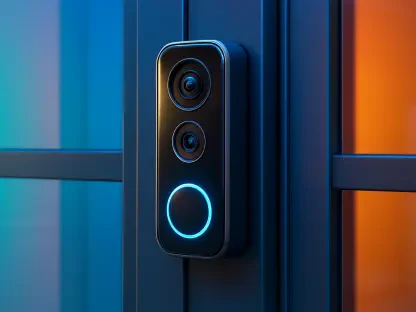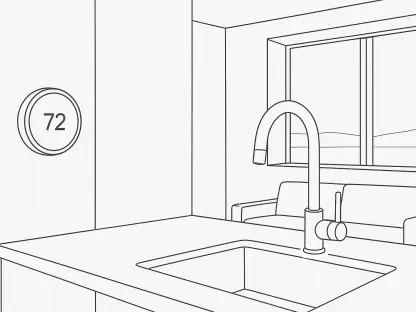

The transition from reactive gadgets to autonomous residential systems represents a significant milestone in the technological evolution of the modern living environment and household management. Homeowners no longer find themselves tethered to fragmented applications or rigid scheduling; instead,
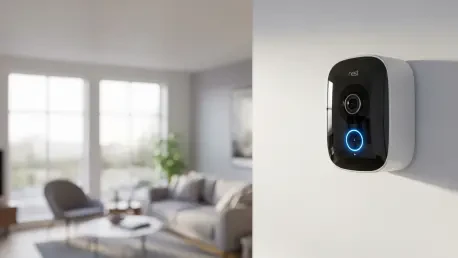
The integration of multimodal AI into home security signifies a paradigm shift where cameras no longer merely record pixels but interpret complex human environments with unprecedented nuance. For years, motion detection relied on simple changes in light or heat, often leading to a barrage of false

The persistent challenge of maintaining workplace safety has undergone a radical transformation as the adoption of interconnected smart sensors moves beyond experimental phases into standard operational protocols across global industrial sectors. This shift represents a fundamental departure from
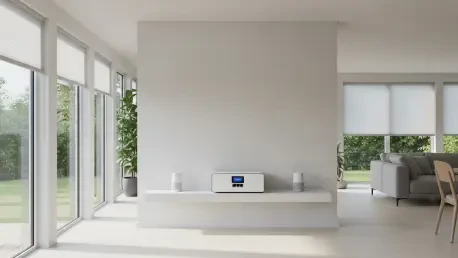
The global smart home landscape is currently navigating a transformative period as consumers move away from restrictive, proprietary ecosystems toward open and flexible digital environments. At the center of this movement is the ZTE Livebox 7, which recently made its debut at MWC Barcelona through
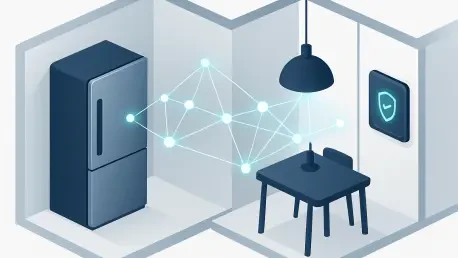
The frustration of standing in a dark room while a voice assistant claims it cannot find a smart bulb that worked perfectly just five minutes ago has become a rite of passage for many modern homeowners. For years, the promise of a seamless, automated living environment was consistently undermined
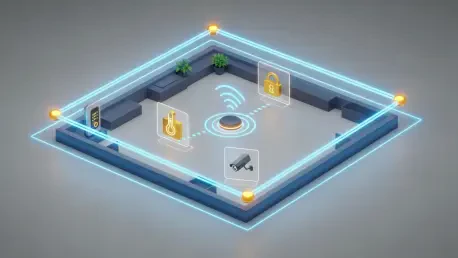
The transition from simple voice-activated lighting to a fully autonomous home ecosystem represents a fundamental shift in how residents interact with their physical environment on a daily basis. While early iterations of smart technology relied heavily on the novelty of barking commands at digital