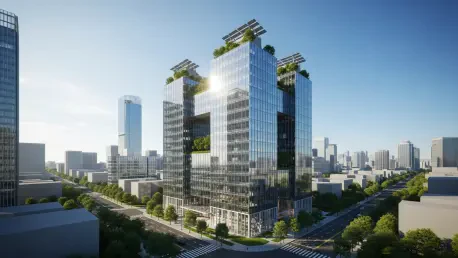

The global real estate market has reached a critical juncture where the mere existence of green certifications is no longer sufficient to satisfy the demands of environmentally conscious investors and tenants. While many commercial structures are designed with sustainability in mind, the true challenge lies in maintaining those standards throughout the lifecycle of the building’s daily operations. Daiichi Properties has effectively shattered the regional ceiling by securing the first LEED v4.1 Operations and Maintenance (O+M) Platinum certification in the Philippines for its flagship development, The 6th/30th. This milestone indicates a profound shift from theoretical sustainability to quantifiable performance, proving that older or existing structures can achieve the highest tiers of efficiency. By focusing on the rigorous O+M criteria, the developer has demonstrated that asset management is just as vital as initial construction in reducing the carbon footprint within dense urban centers.
Sustaining Performance: Rigorous Data Management
Achieving the Platinum tier under the LEED v4.1 O+M framework requires an exhaustive commitment to data transparency, particularly regarding energy consumption, water usage, and waste management protocols. Unlike other certifications that might focus on design intent, O+M evaluates the actual performance of a facility over a sustained period, necessitating the use of advanced sub-metering and real-time monitoring systems. For Daiichi Properties, this involved a comprehensive overhaul of utility tracking to identify and rectify inefficiencies in the HVAC and lighting systems, which typically account for the bulk of a commercial building’s energy load. By implementing a high-performance building management system, the engineering teams were able to optimize cooling cycles and reduce electrical demand without compromising tenant comfort. This data-centric approach ensures that the building operates as a living organism, adjusting to occupancy levels and external weather conditions to save power.
The transition to a zero-waste philosophy within the corporate office environment represents a significant hurdle that requires both infrastructure and behavioral changes among the building’s occupants. To meet the Platinum requirements, the facility implemented a sophisticated waste diversion strategy that goes beyond simple recycling bins to include on-site composting and partnerships with specialized waste treatment providers. Every kilogram of refuse was tracked and categorized to ensure that the majority of materials were diverted from landfills, a feat that necessitated the continuous education of janitorial staff and tenant representatives alike. Moreover, water conservation efforts were intensified through the installation of low-flow fixtures and the utilization of treated gray water for non-potable purposes like landscape irrigation. These measures do more than just lower utility bills; they serve as a practical blueprint for how high-density developments can mitigate their impact on local infrastructure.
Smart Infrastructure: Elevating the Industry Standard
Modern real estate value is increasingly derived from the quality of the indoor environment, where air purification and thermal control are prioritized to enhance productivity and health. The 6th/30th integrated high-efficiency particulate air filtration systems and CO2 sensors to maintain air quality levels that far exceed standard building codes, creating a demonstrably safer workspace for its inhabitants. These technological upgrades were complemented by the use of low-VOC materials during regular maintenance cycles, ensuring that the internal atmosphere remains free of harmful off-gassing. By leveraging Internet of Things (IoT) sensors, the property management team can now monitor indoor environmental quality parameters in real-time, providing occupants with the assurance that their health is being actively protected. This level of transparency has become a major differentiator in the competitive leasing market, where top-tier corporations are seeking offices that align with their own ESG goals.
The achievement of the first LEED O+M Platinum rating in the Philippines established a new benchmark that moved the industry beyond the limitations of green design into the realm of permanent performance. Stakeholders who sought to replicate this success focused on the immediate implementation of comprehensive auditing and the integration of scalable data analytics to bridge the gap between architectural intent and actual utility output. Developers transitioned away from isolated sustainability projects and instead adopted holistic frameworks that prioritized the circular economy and the well-being of the workforce as core business values. This evolution necessitated a deeper collaboration between property owners, technology providers, and government agencies to create an ecosystem that supported long-term ecological resilience. By embracing these actionable strategies, the real estate community successfully transformed the urban landscape into a more sustainable and economically robust environment for the next generation of business.