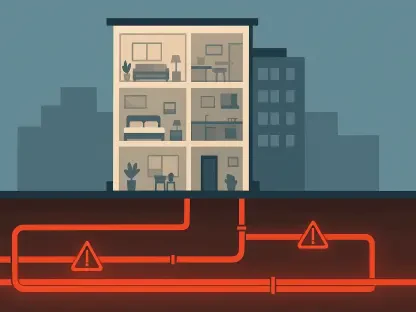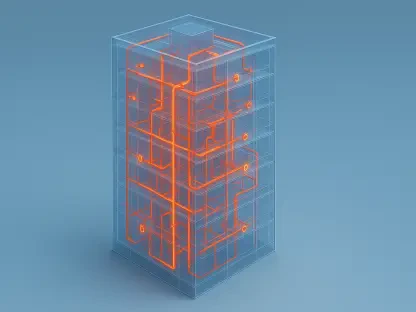

The dream of a seamlessly integrated smart home often dissolves into a logistical nightmare when homeowners realize they must maintain a vast collection of disparate battery types to keep their sensors operational. While consumers are led to believe that smart technology simplifies existence, the underlying infrastructure relies on an increasingly fragmented landscape of disposable energy cells that demand constant attention and replacement. This systemic failure is not merely a technical limitation but a deliberate result of design choices that prioritize form over function and corporate lock-in over user convenience. As the average household integrates more motion sensors, smart locks, and environmental monitors, the hidden labor of inventory management becomes a significant burden that undermines the very efficiency these systems were designed to provide. Instead of a unified power standard, the industry has settled into a “format zoo” where every new gadget adds a unique variable to a growing list of maintenance tasks that most residents never anticipated when they first invested in a connected ecosystem. This logistical headache is growing as the number of devices per household increases, turning the vision of a “set it and forget it” home into a cycle of constant physical monitoring and procurement.
The Proliferation: Navigating the Format Zoo
The term “format zoo” perfectly captures the overwhelming variety of battery sizes and chemistries required to keep a modern smart home functional across different brands and product generations. Even within a single manufacturer’s ecosystem, there is often a startling lack of consistency in power requirements, forcing users to stock everything from standard alkaline cells to obscure lithium formats. For example, a homeowner might find that their primary smart lock requires four AA batteries, while the wireless keypad for that same lock demands two AAA cells, and the accompanying contact sensor for the door runs on a single CR2032 coin battery. This fragmentation is not an accident of early innovation but a persistent trend that complicates the user experience. When a device fails, there is no guarantee that a spare battery on hand will fit the specific slot, leading to prolonged outages for critical security or automation routines while the resident tracks down the correct, sometimes rare, replacement format in a local store or through online orders.
Beyond the common AA and AAA sizes, the “format zoo” is heavily populated by specialized lithium cells that offer high energy density but low availability. Devices like outdoor sensors and smart sirens often utilize the CR123A format, a bulky and expensive battery that is rarely used in other household electronics, while ultra-thin sensors might rely on the CR2450 or CR2016 coin cells. This diversity creates a significant maintenance burden, as the user must manage a complex inventory of various power sources to ensure the home remains operational. Because different devices drain power at vastly different rates depending on their communication frequency and signal strength, failures occur at unpredictable intervals. A resident cannot simply perform a universal battery sweep once a year; instead, they are forced to react to individual low-battery notifications that seem to arrive on a weekly basis as the fleet of devices grows. This lack of interchangeability is a fundamental inefficiency that treats the power source as an afterthought rather than a core component of a unified system.
The proliferation of these formats is rarely driven by the strict requirements of physics or engineering, but rather by the specific physical design of the device housing. Manufacturers often prioritize the industrial design of a sensor—striving for the smallest, thinnest profile possible—and then select whatever battery fits the remaining internal volume. This “design-first” approach means that a sensor’s longevity is sacrificed for its visual appeal, resulting in products that look great on a door frame but require frequent and frustrating battery swaps. This trend is exacerbated by a fragmented market where individual product teams operate in silos, making battery choices that suit their specific hardware goals without considering the broader logistical impact on the consumer. The result is a “junk drawer” filled with a dozen different types of specialized lithium cells, representing a systemic inefficiency that places the burden of hardware coordination entirely on the shoulders of the end user.
Technical Reality: The Capacity Gap and Energy Scarcity
A profound technical disparity exists between the various battery formats used in smart home technology, yet this reality is frequently omitted from the glossy marketing materials that promise years of uninterrupted service. The energy capacity of a standard AA alkaline battery, which typically ranges from 2,500 to 3,000 milliampere-hours, stands in stark contrast to the meager 225 milliampere-hours provided by the ubiquitous CR2032 coin cell. Despite this massive difference in total energy reserves, both formats are commonly used to power devices with similar wireless communication requirements, such as Zigbee or Thread sensors. This capacity gap is the primary reason why many smart home components seem to die significantly faster than advertised, especially in high-traffic environments where a sensor must wake up and transmit data dozens of times per day. The move toward smaller, thinner batteries is a move toward energy scarcity, forcing the software to work harder to conserve every microjoule of power just to maintain a basic connection to the home hub.
The trade-off between device size and battery life is a central conflict in the development of modern smart home hardware, where aesthetic preferences often win out over technical reliability. Consumers generally prefer sensors that are “invisible” and blend into the architectural details of their homes, which drives manufacturers to utilize flat coin-cell formats that can be hidden within slim plastic shells. However, these small cells are poorly suited for the power spikes required by wireless radios during a data transmission event, which can lead to premature voltage drops and “false” low-battery reports even when significant energy remains in the cell. In contrast, using a slightly larger housing that accommodates a standard AA battery would provide over ten times the energy density, potentially extending the maintenance interval from months to years. By choosing the smaller format, the industry has prioritized the initial sale—driven by the product’s physical appearance—over the long-term satisfaction of the user who must eventually deal with the consequences of that limited energy reservoir.
The process of replacing these specialized batteries is also notably more difficult than swapping a standard cell in a traditional piece of electronics, adding another layer of inefficiency to the system. Most miniature smart sensors require the user to pry open delicate plastic tabs or remove microscopic security screws, which can easily be lost or damaged during the maintenance process. Once inside, handling the tiny coin cells often requires precision, and many users find that the act of touching the battery surfaces with bare hands can introduce oils that impede electrical contact. Furthermore, because these devices are often mounted in inconvenient locations like high ceilings or the tops of window frames, the physical act of maintenance becomes a chore that residents actively dread. This friction, combined with the low energy capacity of the formats chosen by manufacturers, ensures that the smart home remains a high-maintenance environment rather than the labor-saving paradise it was intended to be.
Corporate Incentives: The Consumables Model and Market Lock-In
The persistence of inefficient and non-standardized battery solutions is a deliberate strategic choice that aligns with the corporate business models of many leading technology companies. There is no engineering rule that prevents smart home sensors from using standardized rechargeable lithium-ion cells or universal charging ports like USB-C, yet these options remain rare in the consumer market. By forcing users into a cycle of purchasing disposable batteries—often in specialized and expensive formats—manufacturers create a “consumables” model that ensures a recurring cost associated with the product’s operation. This mirrors the classic business strategy seen in the printing industry, where the hardware is sold at a low margin to capture the customer, while the ongoing sales of proprietary or specialized supplies provide the actual profit. In the context of the smart home, the battery becomes a physical subscription fee that the user must pay to keep their automated systems from falling into a state of disrepair.
Beyond the direct profit from battery sales or partnerships with battery manufacturers, the use of proprietary power solutions serves as a powerful tool for customer retention and market lock-in. When a homeowner invests in a specific brand of outdoor security cameras that utilize expensive, proprietary rechargeable battery packs, they are significantly less likely to switch to a competitor’s system. The existing investment in spare batteries, specialized charging docks, and solar panels designed for a specific brand acts as a financial barrier that discourages the consumer from exploring better or more secure alternatives. This “walled garden” approach ensures that even if a rival company releases a superior software experience or more advanced hardware, the cost of replacing the entire power infrastructure remains a prohibitive factor. The battery, therefore, is not just a functional component; it is a strategic asset used by corporations to maintain their grip on a household’s technological ecosystem at the expense of the user’s freedom.
This dynamic creates a frustrating paradox where the “smart” aspects of a home are frequently undermined by the “dumb” reality of a dead battery in a critical sensor. A high-end automation system might be capable of complex logic and advanced security monitoring, but it is ultimately only as reliable as the $3 lithium cell powering its most distant components. Manufacturers are well aware of this vulnerability, yet they continue to prioritize the profitable inefficiencies of disposable cells over the more sustainable and reliable alternatives of permanent power or standardized rechargeability. Until consumer demand shifts toward prioritizing long-term serviceability and open standards, the industry will likely continue to favor these lucrative cycles of replacement. The “junk drawer” of mismatched batteries remains a symbol of an industry that values the initial transaction and the follow-up accessory market over the genuine utility and resilience of the smart home environment.
Maintenance Realities: The Physical Burden of Digital Convenience
The transition from traditional mechanical homes to “intelligent” living spaces was intended to reduce the manual labor required for property management, but the current battery paradigm has largely replaced physical chores with digital troubleshooting. Instead of performing traditional maintenance like oiling a hinge or checking a smoke detector once every six months, the resident of a modern smart home must manage the power levels of dozens of different sensors. This creates a persistent cognitive load as the homeowner navigates various mobile applications to check the health of a fleet of devices that might be spread across the interior and exterior of the property. The “set it and forget it” philosophy that sells these systems is frequently interrupted by the reality of a door sensor going dark, which can break an entire chain of automation, such as turning on lights or disarming an alarm when the resident returns home.
This level of required maintenance is fundamentally at odds with the promise of convenience, as it demands frequent human intervention to ensure the system remains functional. The physical act of swapping batteries in these devices is often more complex than it appears, as many units are mounted in hard-to-reach locations or require specialized tools to access the battery compartment. For those with dozens of sensors, the maintenance schedule can become a constant background task, where one device is always on the verge of failure. This burden is particularly heavy for users who are not technically inclined, as troubleshooting a “dead” sensor often involves more than just a battery swap; it may require re-pairing the device with the home hub or recalibrating its sensitivity. The digital convenience of the smart home is thus bought at the price of a significant and ongoing physical labor commitment that the industry often downplays during the sales process.
The environmental impact of this disposable-heavy model cannot be ignored, as it generates a constant stream of chemical waste that must be properly managed by the homeowner. While alkaline batteries can sometimes be recycled, the lithium coin cells and specialized formats used in many smart home sensors are often discarded in general waste, contributing to long-term environmental degradation. This cycle of consumption and waste is a direct result of the industry’s refusal to adopt more sustainable power standards, such as energy harvesting from ambient light or motion, or simply using standardized rechargeable cells that can be reused hundreds of times. The physical burden of managing this waste, combined with the logistical stress of monitoring device health, suggests that the “smart” home has, in many ways, become more labor-intensive than the traditional homes it was designed to modernize.
Strategic Transitions: Moving Toward Wired and Standardized Solutions
To combat the growing frustration of the “battery zoo,” many experienced smart home enthusiasts are beginning to prioritize wired-first infrastructure as the only way to guarantee long-term system reliability. Bypassing the battery entirely by choosing devices that draw power from the home’s electrical grid—such as smart light switches, hardwired doorbells, or Power over Ethernet (PoE) security cameras—eliminates the most common point of failure in any automation setup. While the initial installation of these devices is often more expensive and requires more effort than simply sticking a battery-powered sensor to a wall, the investment pays for itself through the elimination of recurring battery costs and the removal of the maintenance schedule. A hardwired device is always online, always responsive, and never requires a trip to the local hardware store for a niche lithium cell, making it the most “smart” choice for anyone building a resilient home ecosystem.
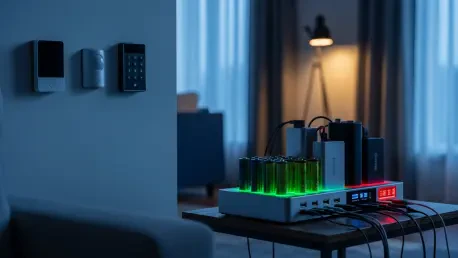
For locations where running a permanent power line is impractical, the next best strategy involves standardizing the home’s power requirements by selecting devices that utilize common, high-capacity battery formats. Prioritizing brands that use AA or AAA batteries allows the homeowner to simplify their inventory and utilize high-quality rechargeable NiMH cells, which can be cycled through a single universal charger. This approach drastically reduces the complexity of the “junk drawer” and ensures that replacements are always on hand, as these standard sizes are used across a wide variety of household electronics. Furthermore, focusing on devices that support standardized protocols like Zigbee or Thread can sometimes allow for more efficient power management than proprietary Wi-Fi sensors, as these low-energy networks are specifically designed to minimize the battery drain associated with constant wireless communication.
Effective power management also requires a proactive approach to digital monitoring, utilizing the diagnostic tools provided by modern smart home hubs to identify failing sensors before they cause a system-wide issue. Instead of waiting for a device to go offline, homeowners can set up automated alerts that notify them when any sensor’s battery percentage drops below a specific threshold, allowing for a planned maintenance session where multiple cells are replaced at once. This consolidated approach to maintenance is much more efficient than reacting to individual failures as they occur, as it allows the resident to manage their time and inventory more effectively. By treating power management as a core part of the home’s operating system, users can mitigate many of the systematic inefficiencies that the industry has created, reclaiming the convenience and reliability that their automated home was supposed to provide from the very beginning.
Future Considerations: Establishing Resilient Power Infrastructure
The realization that the existing ecosystem of fragmented battery standards was fundamentally unsustainable led to a significant shift in how homeowners approached the design of their automated environments. It became evident that the reliance on specialized, low-capacity disposable cells was a primary barrier to the long-term reliability of smart home systems, prompting a move toward more robust and standardized power delivery methods. By prioritizing hardwired connections and demanding greater transparency from manufacturers regarding the true energy requirements of their hardware, consumers forced a change in the market’s trajectory. This transition away from the “format zoo” was essential for transforming the smart home from a collection of demanding gadgets into a cohesive and resilient infrastructure that served the resident without requiring constant physical intervention.
The industry eventually recognized that the status quo of inefficient battery standards was the primary barrier to mass adoption for high-end home automation systems. As a result, new developments in long-range wireless power and ambient energy harvesting began to gain traction, promising to eliminate the need for chemical batteries in small sensors altogether. These advancements, combined with a renewed focus on standardized rechargeable formats, offered a path toward a more sustainable and user-friendly future. The lessons learned from the era of mismatched lithium cells informed a new generation of devices that valued longevity and interoperability above mere aesthetic appeal. Ultimately, the focus shifted toward building a permanent digital infrastructure that enhanced the living experience through reliable automation, ensuring that the “smart” home finally lived up to its potential by becoming truly self-sustaining.