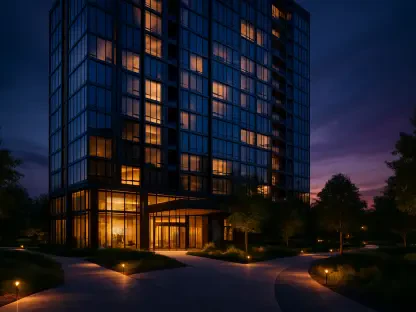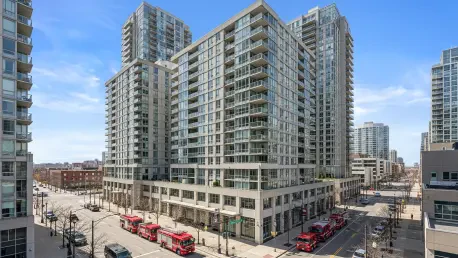

The sight of black smoke billowing from an upper-story window of a prominent downtown landmark often serves as a sobering reminder of the inherent risks associated with high-density urban living. When a blaze erupted on an upper floor of the Park Victoria apartment complex in late July 2026, the incident immediately became a critical litmus test for Halifax’s emergency preparedness and the structural integrity of its older high-rise inventory. This 21-story building, which has anchored the South Park Street skyline since the 1960s, represents a significant portion of the city’s residential capacity, housing hundreds of people in a single concentrated footprint. The midday emergency required an immediate and massive mobilization of resources, drawing eyes from across the Halifax Regional Municipality as fire crews rushed to the scene. This event was not merely a localized fire but a complex operational challenge that forced first responders to navigate the intricate logistics of a legacy high-rise while ensuring the safety of a diverse and large population of residents.
The Response: Tactical Execution and Rapid Containment
Upon receiving the initial distress calls shortly after noon on a Saturday, Halifax Regional Fire and Emergency crews were confronted with visible flames venting from an eighth-floor window, a situation that typically signals a potential for vertical fire spread. Under the strategic direction of District Chief Brad Connors, the response teams quickly transitioned from a standard alarm response to a high-rise fire protocol, which demands precise coordination between interior attack teams and exterior support. Firefighters had to manage the vertical ascent with heavy equipment while simultaneously accounting for the movement of evacuating tenants in the stairwells. The speed with which crews accessed the eighth-floor unit was instrumental in preventing the flames from breaching the ceiling or spreading laterally into the corridors. This tactical efficiency ensured that the fire was suppressed before it could transition from a single-unit incident into a multi-floor conflagration, showcasing the critical nature of rapid interior intervention in modern urban firefighting.
The ultimate success of the suppression efforts was reflected in the remarkably low casualty rate, with no deaths or serious injuries reported among the hundreds of residents or the responding emergency personnel. While the unit where the fire originated suffered extensive damage and smoke migration affected the immediate vicinity, the containment strategy proved robust enough to protect the vast majority of the building’s 400 apartments. By late afternoon, firefighters were conducting meticulous sweeps for hidden hotspots behind walls and within ventilation shafts to ensure the structure was completely stabilized. This thoroughness allowed for a relatively quick return to normalcy, as power was restored to most sections of the building by the evening. The ability to re-occupy the building so soon after a major fire event underscores the effectiveness of Halifax’s fire safety standards, which prioritize both the preservation of life and the continuity of housing in a city where residential space is increasingly at a premium.
Economic Resilience: Insurance Mandates and Recovery
A defining feature of the recovery process following the Park Victoria incident was the role played by proactive property management policies regarding tenant liability and protection. Because the building’s management had previously implemented a strictly enforced mandate for tenant insurance, the individuals directly impacted by the fire were not left to face total financial ruin in the aftermath of the disaster. This requirement provided a critical safety net, covering the costs of temporary relocation and the replacement of personal belongings destroyed by heat or smoke. In a modern housing market, such policies are shifting from being optional perks to becoming essential components of responsible high-rise management. By ensuring that every resident had coverage, the property owners effectively offloaded the burden of individual disaster recovery to the insurance sector, which facilitated a more organized and less desperate response from the victims. This highlights a growing trend where administrative foresight becomes a primary pillar of overall community resilience.
Beyond the financial aspects, the fire revealed a profound sense of community vigilance that significantly aided the emergency evacuation process during the peak of the crisis. Many long-time residents described the initial moments of the fire as a blur of confusion, yet the established social ties within the building helped prevent panic from taking hold as the alarms sounded. Neighbors checked on one another, particularly those with mobility issues or elderly tenants who might have struggled with the stairs. This organic, neighbor-to-neighbor support system is often overlooked in official safety manuals but serves as a vital lubricant for the machinery of emergency management. The collective experience of the Park Victoria tenants suggests that the social fabric of a building is just as important as its physical infrastructure when it comes to navigating a high-stakes emergency. This synergy between formal evacuation protocols and informal community assistance ensured that the exit was orderly, allowing fire crews to focus entirely on fire suppression rather than mass rescue.
Structural Design: Architectural Integrity and Legacy Standards
The Park Victoria is widely recognized not just as a residence but as a significant piece of Halifax’s architectural evolution, having set a precedent for high-rise living upon its completion in 1964. During the recent fire, the structural choices made more than half a century ago were put to a modern test, and they performed with surprising effectiveness. The use of heavy concrete barriers between individual units served as natural firebreaks, a design feature that proved instrumental in isolating the intense heat of the eighth-floor blaze. Modern safety experts often scrutinize older buildings for potential vulnerabilities, yet the inherent fire-resistive properties of mid-century concrete construction remain a formidable defense against fire spread. This incident demonstrated that when legacy engineering is maintained properly, it can continue to meet the rigorous safety demands of the current era. The building’s history as a former record-holder for height in the city adds a layer of cultural significance to its physical survival, proving its enduring structural value.
Maintaining the safety of an aging high-rise requires a delicate balance between preserving the original structural benefits and integrating modern safety technologies. In the case of Park Victoria, the combination of robust original materials and updated fire detection systems created a tiered defense that allowed the building to survive a potentially catastrophic event. The fire department’s ability to interface with the building’s internal infrastructure, such as standpipes and specialized elevator controls, was a direct result of ongoing maintenance and compliance with evolving municipal codes. This event serves as a powerful argument for the continued investment in older high-rise inventory rather than seeing them as liabilities. By reinforcing the structural strengths of 1960s-era buildings with contemporary emergency management practices, cities can preserve their architectural heritage while ensuring that residents remain safe in an increasingly vertical urban landscape. The resilience of the 1333 South Park Street landmark remains a testament to the longevity of quality urban planning.
Looking Forward: Strategic Evolution and Future Safety
The lessons extracted from the Park Victoria fire are poised to influence high-rise safety protocols across the region for years to come as urban density continues to increase. City planners and emergency services are now closely analyzing the timeline of the event to identify areas where communication or physical access could be further optimized. One of the primary takeaways is the necessity of maintaining clear access lanes for heavy firefighting apparatus in increasingly congested downtown corridors. As the city grows around these legacy structures, the challenges of positioning ladder trucks and managing secondary traffic become more pronounced. This specific fire highlighted the importance of a coordinated effort between police and fire departments to secure the perimeter quickly, ensuring that the logistical needs of the suppression team are not hindered by civilian traffic or onlookers. These observations are already being integrated into updated training modules for first responders who operate in dense metropolitan environments.
Looking toward the immediate future, the Park Victoria incident established a clear blueprint for the proactive management of high-density residential properties through enhanced tenant education. Property owners must prioritize regular fire drills and the clear communication of exit routes to ensure that residents can act instinctively when alarms trigger. Furthermore, the success of the mandatory insurance model suggested that municipal governments should consider formalizing such requirements to protect vulnerable populations in the event of a total loss. Building managers would benefit from conducting thorough audits of their structural firebreaks and ensuring that all modern additions, such as high-speed internet cabling, do not compromise the integrity of fire-rated walls. The fire at 1333 South Park Street proved that while no building is entirely immune to accidents, the combination of structural durability and professional preparedness can effectively neutralize the threat. These actionable steps moved the conversation from a focus on disaster response to a comprehensive strategy of resilience and prevention.