
The escalating housing crisis in major metropolitan areas has reached a critical juncture where the average tenant now allocates nearly forty percent of their gross income to monthly rent. While the immediate political instinct often leads to the implementation of strict rent control measures to protect residents, these policies frequently trigger a chain reaction of unintended consequences that worsen the very problems they aim to solve. By artificially capping the price of shelter, local governments disrupt the delicate balance of supply and demand, inadvertently creating a stratified system that favors long-term residents while locking out newcomers and the next generation of workers. This tension between social equity goals and market realities defines the modern urban planning struggle, as the immediate relief of a price freeze often masks a slow-burning decay of the city’s housing infrastructure and overall economic health. Understanding these mechanics is essential for developing policies that actually foster sustainable affordability.
Economic Impediments: The Decline of Housing Quality and Supply
The Erosion of Maintenance and Property Standards
Real estate is an inherently capital-intensive industry where thin profit margins are dictated by the delicate balance between rental income and escalating operational expenses. When municipal laws cap revenue while allowing essential costs like property taxes and insurance to rise at market rates, property owners are frequently forced into a corner regarding building maintenance. This economic squeeze leads to a widespread phenomenon of deferred maintenance, where critical repairs to roofing, plumbing, and electrical systems are postponed indefinitely because the building’s cash flow can no longer justify the investment. Over time, this systematic underfunding transforms once-stable neighborhoods into pockets of blight, as the physical quality of the housing stock begins to deteriorate at an accelerated pace. Instead of preserving affordable housing, the price ceiling effectively condemns the existing units to a slow process of decay that eventually compromises the safety of the tenants.
The consequences of neglecting the physical integrity of a building extend far beyond aesthetics, impacting the long-term viability of the urban residential infrastructure as a whole. When landlords cannot realize a return on their investment due to frozen rental rates, the incentive to upgrade energy-efficient systems or modernize living spaces vanishes entirely. This stagnation results in a housing stock that is not only aging but also increasingly inefficient and prone to structural failures that could have been avoided with consistent reinvestment. Furthermore, the lack of capital for routine improvements creates a feedback loop where the most dilapidated buildings become the only ones accessible to low-income residents, further entrenching socioeconomic disparities. By creating an environment where maintenance is a liability rather than a necessity, rent control policies inadvertently facilitate the slow destruction of the city’s residential wealth, leaving future generations with a crumbling and unsafe urban landscape.
Disincentivizing New Supply and Urban Expansion
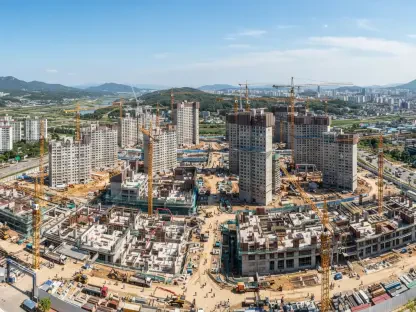
Beyond the deterioration of existing structures, rent control effectively grinds the development of new housing to a halt by signaling to the market that capital returns are no longer predictable. Investors and developers, who operate on long timelines and require stable regulatory environments, quickly shift their focus to jurisdictions without price controls or to luxury developments that are typically exempt from these rules. This migration of capital away from mid-market rental housing ensures that the supply shortage, which the policy intended to address, becomes a permanent fixture of the local economy. When the creation of new units is discouraged, the gap between housing demand and available inventory continues to widen year after year, driving up prices in the unregulated segments of the market. Consequently, the very people seeking affordable options find themselves in a more competitive and expensive environment because the necessary expansion of the city’s housing footprint has been throttled by restrictive price mandates.
The long-term impact of a halted construction pipeline is a fundamental mismatch between the population’s needs and the physical availability of apartments, which leads to chronic shortages. As cities grow and attract new talent, the failure to expand the housing stock forces residents into increasingly cramped living conditions or drives them out of the city altogether. This lack of supply elasticity means that even minor increases in demand can lead to astronomical price spikes in the non-controlled sector of the market, further polarizing the urban landscape. By suppressing the market signals that normally encourage developers to build more when prices rise, rent control traps a city in a state of artificial scarcity that cannot be resolved through legislation alone. Ultimately, the policy creates a stagnant environment where the only way to obtain a home is to wait for someone else to leave, a scenario that stifles the dynamic growth necessary for any modern metropolis to thrive and remain competitive.
Socioeconomic Distortion: Social Mobility and Evidence-Based Reform
The Entrenchment of the Insider-Outsider Divide
Rent control creates a rigid internal caste system within the housing market, benefiting “insiders” who already hold leases while severely punishing “outsiders” like young professionals and new immigrants. This leads to a phenomenon known as “under-occupancy,” where individuals remain in large, rent-controlled apartments long after their household needs have changed significantly. For example, an older tenant might stay in a three-bedroom unit even after their children have moved out because downsizing to a smaller, market-rate apartment would paradoxically result in a much higher monthly rent. This lack of natural turnover prevents growing families from accessing the space they need, effectively locking up the most efficient housing units in the hands of people who no longer require them. This distortion of the allocation process ensures that the city’s housing stock is used inefficiently, making it nearly impossible for the market to respond to the changing demographic realities of a modern urban population.
This lack of housing mobility has broader implications for social equity and the integration of new arrivals into the cultural and economic fabric of the city. When the housing market is frozen by price controls, the primary way to secure an affordable apartment becomes luck or longevity rather than need or economic contribution. This creates a barrier to entry for the very individuals who drive innovation and growth, as they are forced to pay exorbitant premiums for the few market-rate units available. Furthermore, the “locked-in” effect discourages residents from moving to neighborhoods that might offer better educational opportunities for their children or better access to community services. The resulting social stagnation creates a fragmented city where the benefits of urban life are concentrated among a protected class, while those on the outside are left to navigate a hyper-competitive and increasingly exclusionary market. This division undermines the egalitarian goals that many proponents of rent control champion.
Historical Failures: Transitioning to Supply-Side Stability
The failure of rent control is not a theoretical concern but is backed by decades of data from diverse geographic regions and different economic cycles throughout the century. In Sweden, aggressive rent regulation resulted in decades-long waiting lists for apartments and fostered a predatory black market where residents traded apartment keys for massive, under-the-table payments. Similarly, in San Francisco, research showed that landlords responded to expanded rent control by converting rental units into owner-occupied condominiums to bypass price caps, which actually reduced the rental supply by fifteen percent. These patterns of supply reduction and price inflation for non-controlled units have been repeated in major cities ranging from Berlin to New York, proving that price ceilings consistently fail to achieve long-term affordability. By looking at these historical precedents, it becomes clear that the persistent application of rent control serves more as a political tool for short-term gain than a viable economic strategy for city health.
To move beyond the trap of rent control, urban centers adopted a series of proactive measures that focused on the root cause of high prices: a fundamental lack of housing supply. Municipalities began prioritizing zoning reforms that allowed for greater residential density and streamlined the bureaucratic permitting processes to significantly lower construction costs for developers. By shifting toward supply-side solutions, cities successfully created an environment where the market could naturally expand to meet the growing demand of the population. Furthermore, the implementation of targeted subsidies, such as modernized housing vouchers, provided direct assistance to low-income families without destroying the financial incentives for landlords to maintain their properties. These strategic shifts ensured that affordability was achieved through abundance rather than artificial restriction, fostering a sustainable and accessible housing market. By embracing these evidence-based strategies, urban planners finally moved toward a future of inclusive growth and structural stability.